

Few activities attract as much folklore as gambling. Card players whisper about due wins, slot regulars swear certain machines are “ready to pay”, and roulette enthusiasts track red and black like detectives.
Most of these convictions sound reasonable around a table — and crumble the moment math enters the room.
This article looks at the beliefs that travel furthest, explains why they survive despite being wrong, and clears up what actually happens behind the scenes of a casino game.

Why bad ideas about gambling spread so easily?
Our brains are pattern-finding machines. When something dramatic happens at a slot or roulette wheel, we remember it; the thousand uneventful spins before it fade.
Casinos themselves are designed to amplify the memorable — flashing lights for wins, silence for losses — and word-of-mouth does the rest. Add a touch of wishful thinking, and a coincidence becomes a “system”.
Before getting into specific myths, it helps to know the three concepts that demolish most of them:
- Independence of events — each spin, deal, or roll has no memory of what came before.
- House edge — every game pays out slightly less than true odds, and that gap compounds over time.
- Variance — short-term results can look wildly unfair in either direction without breaking any rule of probability.
Keep these three in mind as you read on.
Myth 1: A machine is “due” for a win
This is probably the most stubborn belief in any gaming hall. After a long losing run, players assume a payout must be coming. It isn’t.
Modern slots use a Random Number Generator that produces thousands of outcomes per second, and each spin is independent of the last.
A machine that hasn’t paid in two hours has the exact same odds on the next spin as one that paid out thirty seconds ago.
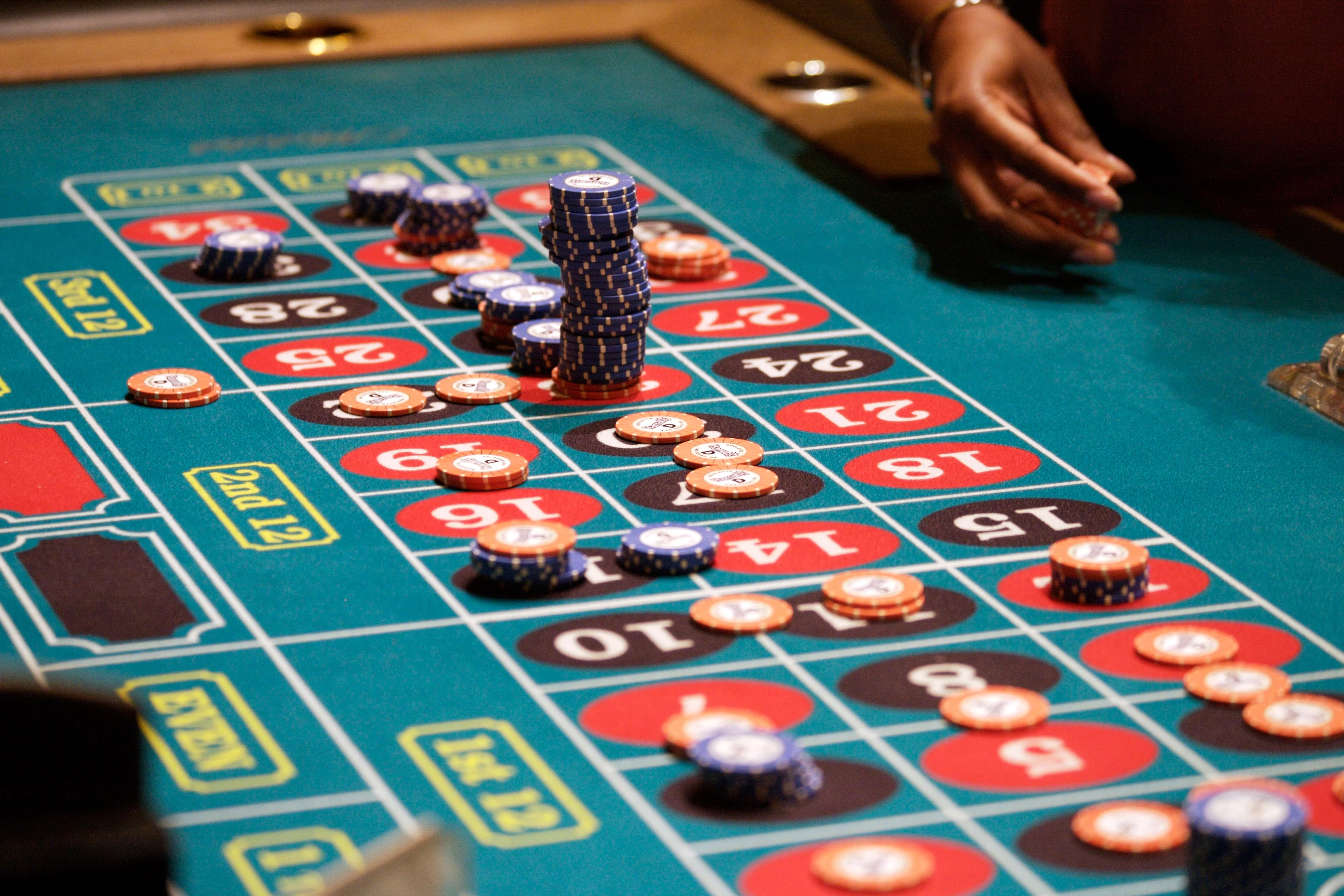
The same applies to roulette. After ten reds in a row, black is not “owed”. The wheel doesn’t know — and doesn’t care — what just happened.
Myth 2: Skilled players can beat slots
Slots reward timing only in the sense that you can’t lose money on a spin you didn’t make. Beyond that, no button-pressing rhythm, no rubbing the screen, no choice of paylines on a fixed-payline game changes the underlying RTP (return to player).
What does matter is choosing games with transparent rules and a published RTP, and reading promotional terms before claiming offers — for example, when activating a Bruce Bet casino promo code, the wagering requirement and game weighting determine far more about your real chances than any in-game tactic ever will.
Myth 3: Card counting is illegal
Counting cards in blackjack is a mental skill, not a crime. Casinos dislike it and reserve the right to refuse service, but you won’t be arrested for thinking.
What is illegal — everywhere — is using a device or a confederate to track cards or signal information. The line is between using your brain and using a tool.
Myth 4: Online casinos can flip a switch and make you lose
Licensed operators run certified RNGs that are audited by independent labs such as eCOGRA, iTech Labs, or GLI. Tampering with payouts on a per-player basis would void the license and end the business overnight.
The house already has a built-in mathematical edge; it doesn’t need to cheat. The real risk lies with unlicensed sites, which is why checking a regulator’s seal — UKGC, MGA, Curaçao eGaming, or your local authority — matters more than any conspiracy theory.
Myth 5: Bigger bets recover losses faster
The Martingale system and its cousins promise recovery by doubling stakes after each loss. On paper it works; in practice, table limits and finite bankrolls turn it into a fast track to ruin.
A losing streak of seven in a row is uncommon but far from rare — and by then, the next required bet often exceeds what the table accepts or what the player can afford.
Here’s a quick comparison of how three popular beliefs hold up against the math:
| Belief | What players think | What actually happens |
| Hot/cold machines | Recent results predict the next spin | Each spin is independent; past outcomes don’t matter |
| Doubling after losses | You’ll always recover eventually | Table limits and bankroll caps cause catastrophic losses |
| “Lucky” numbers | Personal numbers hit more often | Every number on a fair wheel has identical probability |
Myth 6: The longer you play, the better your chances
Time at the table doesn’t earn you better odds — it gives the house edge more chances to apply itself. A 2% edge over fifty hands is a small expected loss; over five thousand hands, it becomes statistically significant.
Sessions feel “due for a turnaround” because we remember the swings, but the long-run trend always bends toward the published edge.
Playing with clearer eyes
Gambling is entertainment with a price tag, and the price is the house edge. Knowing that doesn’t ruin the fun — it just keeps it honest.
Treat each session as paid amusement, set a budget you’re comfortable losing, and ignore anyone who claims they’ve cracked the code. The casinos themselves know better than anyone that the math, not the magic, is what keeps the lights on.
