

I like crypto because it gives regular people more choice. You can buy Bitcoin, explore altcoins, move funds across wallets, and learn how open networks work without needing a bank branch or broker. That freedom feels exciting.
At the same time, I never treat a crypto platform like a magic money machine. Before choosing where to buy, I compare real basics: security settings, supported coins, fees, withdrawals, and how clearly the platform explains risk.
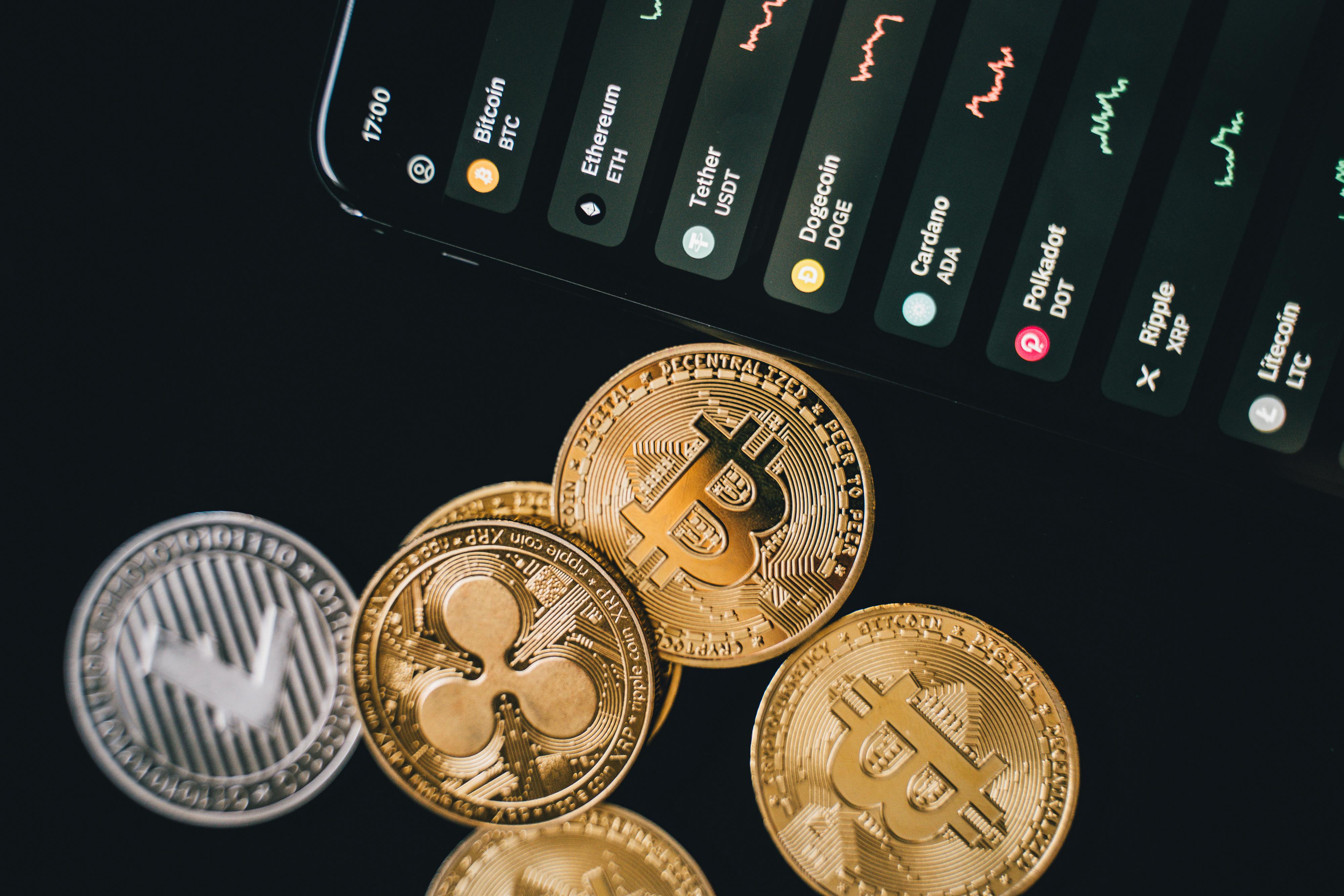
That is why beginner-friendly names like Changelly, Coinbase, Kraken, Binance, and Crypto.com often come up when people search for the best online crypto exchange for buying Bitcoin or altcoins safely.
The better question is not only which exchange looks popular, since a useful platform should also make safety easy to understand before you deposit money.
A Safe Crypto Platform Starts With Trust
The first thing I check is whether the platform looks real, clear, and accountable. A beginner should be able to find the company name, support pages, fees, security information, and basic rules without digging through confusing pages.
Regulation and Identity Matter
I feel more comfortable when a platform does not hide behind mystery. Crypto has enough risk already. A safe platform should explain where it operates, what rules it follows, and whether identity checks may be required.
For beginners, KYC can feel annoying. You may just want to buy Bitcoin and move on. Yet identity checks often show that a platform is trying to follow financial rules, reduce fraud, and avoid becoming a playground for scammers.
Fund Protection Is More Important Than Fancy Features
A platform can have a beautiful app, hundreds of coins, and low fees. None of that matters if customer funds are handled carelessly.
I look for clear language about custody. Does the platform hold customer assets? Does it use cold storage? Does it explain how withdrawals work? Does it separate customer assets from company funds?
Coinbase says it holds customer assets 1:1 and does not lend or use customer crypto without permission. That is the kind of claim users should look for, then compare with the platform’s broader reputation and security record.
Login Security Should Be Strong From Day One
A beginner often worries about choosing the right coin. I worry first about the account login.
A safe crypto platform should support multi-factor authentication, withdrawal controls, device checks, and alerts.
SMS codes are better than using only a password, although app-based authentication or hardware security keys are stronger.
Password reuse is one of the easiest ways to lose an account, so a crypto account deserves a unique password.
For me, the rule is simple: before buying Bitcoin or altcoins, turn on the strongest security option the platform gives you.
Proof of Reserves Is Helpful, With Limits
Proof of reserves is one of the safety ideas I like because it pushes exchanges toward more transparency. It can help users check whether a platform holds assets that match customer balances.
Kraken has a proof-of-reserves page where clients can verify that supported crypto balances held on the exchange are backed by assets in custody.
Kraken also said its December 31, 2025 proof-of-reserves attestation covered major assets including BTC, ETH, SOL, USDC, USDT, XRP, and ADA.
Still, proof of reserves should not be treated as a full safety guarantee. It can show asset backing at a point in time.
It may not show every business risk, legal issue, debt problem, or weak internal control. I see it as a strong positive signal, not a free pass.
Safety Features Worth Comparing
| Safety feature | Why I care about it | Beginner-friendly check |
| Clear company information | Anonymous platforms are harder to trust | Look for legal details, support, and public security pages |
| Strong account security | Stolen passwords can lead to stolen crypto | Turn on MFA before depositing funds |
| Cold storage or custody controls | Online wallets are more exposed to attacks | Read how the platform stores customer assets |
| Proof of reserves | Gives users more transparency | Prefer platforms that publish reserve information |
| Easy withdrawals | Real ownership requires the ability to move funds | Test with a small withdrawal first |
| Clear fees | Hidden costs hurt beginners | Compare spread, network fees, and swap fees |
| Scam warnings | Good platforms educate users | Look for warnings about fake apps, fake support, and QR-code scams |
Red Flags I Would Not Ignore
Some warning signs make me stop immediately:
- Guaranteed profits or “risk-free” Bitcoin offers
- A stranger telling you to buy crypto through a link
- Pressure to scan a QR code and send funds quickly
- No clear withdrawal process
- No support page or only social media support
- A fake app that copies the name of a real exchange
- A platform that hides fees until the final step
- Promises that one small altcoin will “surely” explode
The FTC reported that losses to Bitcoin ATM scams topped $65 million in the first half of 2024, with a median reported loss of $10,000.
That number matters because many victims were not doing advanced trading. They were pushed into fast crypto payments by scammers.
Changelly, Coinbase, Kraken, Binance, and Other Exchanges All Need Careful Use
I like having choices. Changelly can be useful for quick swaps and buying many different assets. Coinbase is popular with beginners because the interface feels simple.
Kraken appeals to users who care about proof of reserves and deeper security information. Binance and Crypto.com offer broad coin access and many features.
Yet no exchange removes personal responsibility. Large platforms can still face hacks, phishing attempts, fake support accounts, regulatory pressure, or service outages.
Smaller platforms can feel convenient, although they may provide less public information. That is why I prefer starting small, testing withdrawals, and keeping long-term holdings in a wallet I understand.
For beginners, the safest path usually looks like this: use a known platform, activate strong security, buy a small amount first, learn how withdrawals work, and never rush because someone online says an opportunity will disappear.
My Simple Rule for Buying Bitcoin and Altcoins Safely
A safe crypto platform should make you feel informed, not pushed. It should show fees clearly, explain custody, protect your login, support withdrawals, and give you enough transparency to make a calm decision.
I enjoy crypto most when I move slowly. Bitcoin and altcoins are already volatile. There is no need to add extra risk by using a suspicious platform, skipping MFA, or chasing coins through random links.
For a new user, I would choose safety before low fees, before coin count, and before hype. A useful platform helps you buy crypto. A safer platform also helps you understand what can go wrong before you press the buy button.
