

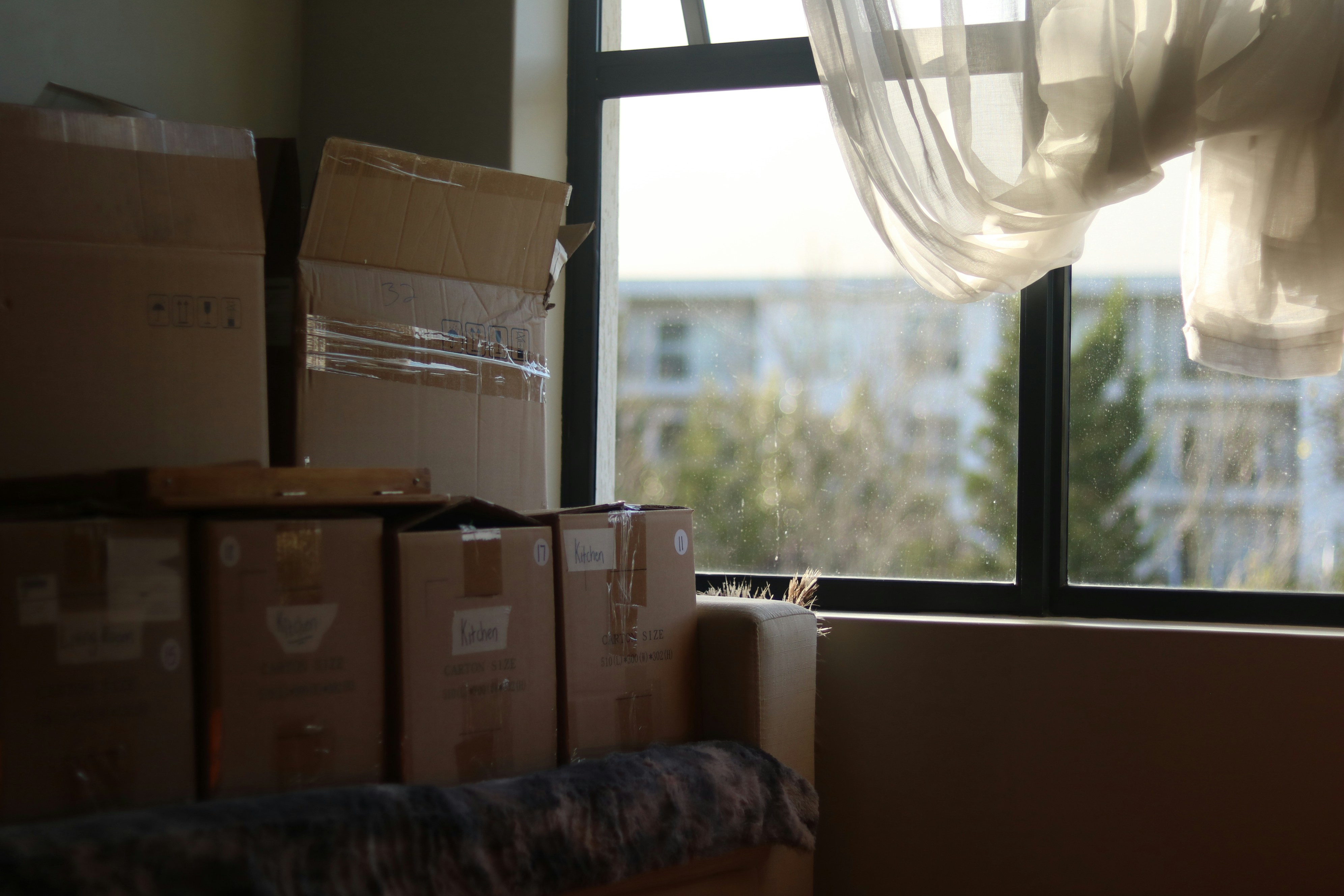
The recent shift to a new city was primarily a pragmatic choice related to job, family, or housing expenses. In today’s world, urban migration is much more complex: people move not only to other addresses.
They are frequently in the process of making changes in their plans, social groups, online profiles, and day-to-day habits.
Modern cities also put forth a very different kind of pressure than they did ten years ago. Rent prices fluctuate rapidly, neighborhoods are constantly morphing, and web culture daily encourages the thought that a better life awaits somewhere else.
One month, everyone is looking for a quiet residential neighborhood with a coffee shop and a bookstore. In the following month, focus shifts to brisker cities, lush with nightlife, co-working spaces and creative communities.
With the result, many adults do not feel the relocation is temporary or easy. It seems to be linked with personal growth and a sense of long-term identity.
Social Media Changed Expectations Around Moving
Online platforms transformed relocation into something much more visible than before. Apartment tours, moving vlogs, furniture resets, and “starting over” content turned moving into a public milestone rather than a private life event.
Urban Relocation Now Carries Lifestyle Pressure
People no longer compare cities only through salary opportunities or commuting distance. They also make comparisons with the visual appearance of neighborhoods online, aesthetics, social scenes, walkability, fitness culture, restaurants, and more.
For many, all the decisions seem to be linked to bigger issues of adulthood and success, making moving emotionally draining.
Professional Moving Services Became More Important
Many begin to seek professional assistance because relocations become too complicated. Moving can often be overwhelming, but services such as those offered by https://elatemoving.com/ make it easier to focus on the practical aspects, allowing individuals to concentrate more on adjusting to their new city, arranging their schedules, and getting settled into the new surroundings.
Cities Change Faster Than People Expect
An important factor is that most urban areas are undergoing rapid changes today. A quiet and comfortable neighborhood can quickly turn into a high-priced, high-density neighborhood in just a few years.
People moving back to former cities often notice several unexpected changes:
- favorite local businesses disappearing
- familiar neighborhoods becoming financially inaccessible
- social circles spreading across multiple cities
- routines no longer fitting naturally into the old environment
These changes create the feeling that cities no longer stay emotionally stable for very long.
Digital Visibility Also Changed the Experience of Moving
Relocation now happens in front of online audiences. People often still follow apartment moves, career changes and lifestyle changes on social media after they have left a city.
Due to this visibility, sometimes moving can feel performative rather than personal. Individuals tend to feel compelled to show that their move made their life better for them, social opportunities better, or career direction better, despite their own individual struggles to settle into their new environment.
People often feel the need to demonstrate improvements in their quality of life, social opportunities, or career direction to others despite their own efforts to acclimate to unfamiliar environments.
Urban Life Now Feels More Temporary
For many adults, it is no longer the norm to live in one city for their entire life. Relocation was no longer a strange occurrence but a common occurrence in the modern world as a result of changes in career, cost, remote work and priorities.
The constant movement shifted people’s emotional attachment to cities. For many, cities are actually temporary chapters, rather than a permanent home, that are linked to certain stages of life, relationships, or life goals.
This is one of the many reasons why urban relocations seem quite complicated these days. Today, more than transportation and residence, mobility is considered a complex phenomenon. Often involves rebuilding identity, routine, belonging and stability all at once.
