

AI trading might feel like a relatively recent development, but much of the technology behind it has been decades in the making.
Long before machine learning became part of everyday financial conversations, markets were already changing in ways that made greater automation possible.
Electronic Exchanges Created the Foundation
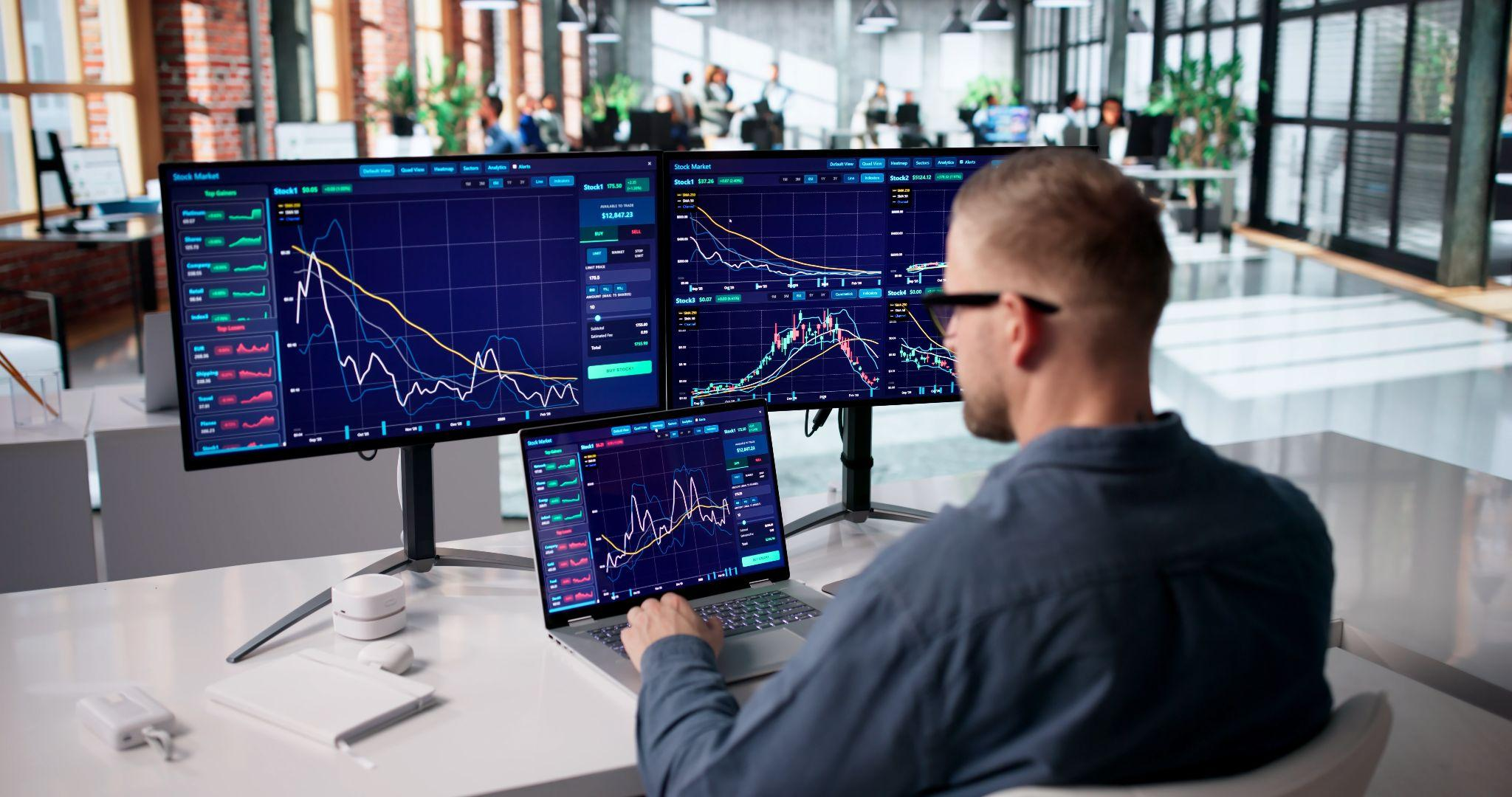
The first innovation that paved the path toward AI trading was that initial move away from open-outcry trading floors towards electronic exchanges.
This is because once orders could be entered, matched and recorded digitally, it became far easier for computers to analyze and interact with markets at scale.
Electronic order books also turned price movements and trading activity into structured digital information that software could work with quickly.
Without all this foundational infrastructure, there wouldn’t have been enough consistent, machine-readable information for more sophisticated automation to develop. The next step would then be for the computers to make detailed records of these transactions and analyses.
Algorithms Ran the First Automations
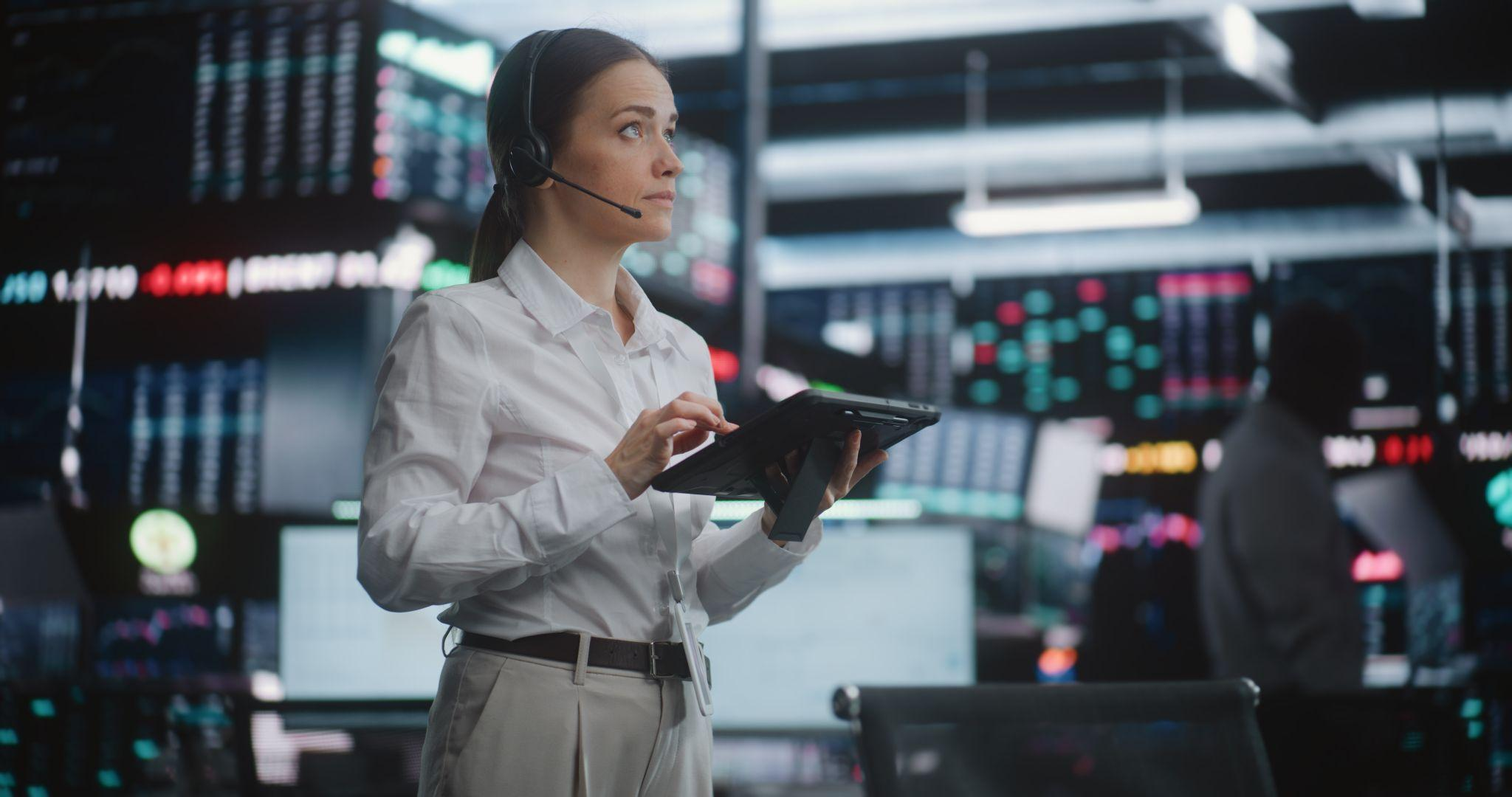
Before generative AI became commonly used in finance, firms were already using algorithms to automate parts of the trading process.
These systems weren’t learning for themselves, though; what they instead did was follow rules set in advance, such as buying when a price crossed a particular threshold or breaking a large order into smaller trades.
This was a crucial stage because it showed how parts of online trading could be automated consistently, long before today’s more adaptive systems were possible.
More importantly, firms became accustomed to testing automated strategies and monitoring how they behaved once they were running.
With that said, rules alone could only take these systems so far. For trading technology to become more sophisticated, the machines themselves needed to become much more powerful.
Faster Computing Expanded Possibilities
With technology advancing at rapid rates in the early 21st century, processors improved, meaning that firms could work with larger amounts of historical information and run increasingly complex models in less time.
This also meant that backtesting became particularly important, since firms could test a strategy against previous market data before putting it to work.
Faster networks changed things as well, as they became integral in high-speed institutional trading. (This is because when information can travel between a trading system and an exchange with less delay, that system can respond more quickly to what is happening in the market.)
But increased processing power also meant firms could work with far more information than before, which made the quality and variety of that data increasingly important.
Better Data Gave Models More to Work With
Real-time market feeds would also come to give firms continuous access to changing prices and trading activity, while improvements in storage made much larger historical datasets practical to maintain.
Over time, firms then began to experiment with company filings and economic releases alongside news coverage and sentiment.
This meant that models were no longer restricted to looking at what had already happened to a price; they could also consider additional contextual information that might help explain the reason behind the movements.
Of course, having more data didn’t automatically produce better decisions… much of that information needed work before a model could use it reliably.
Still, richer information changed what automated systems could do. Rather than needing to hard-code a response to every situation in advance, firms could increasingly build models capable of finding patterns for themselves.
Machine Learning Changed How Systems Used Data
What people need to understand about the difference between traditional algorithms and machine learning models is that the former work from explicit instructions, whereas the latter look for patterns within data and adjust according to what they find.
This made systems powered by large language models more flexible because they’re able to identify relationships that hadn’t been explicitly programmed into them.
Cloud computing helped make this technology more accessible too, since firms no longer had to build every research system around expensive in-house servers; computing resources could be scaled as requirements change.
Smaller teams therefore faced fewer technical barriers, though large institutions still had an advantage because they could draw on proprietary information and much deeper research resources.
But as these systems became more capable, another issue became increasingly important. Making decisions quickly wasn’t enough; firms also needed to know what would happen when those decisions were wrong.
Risk Controls Made Automation Practical at Scale
The development of AI trading wasn’t simply a story of models becoming smarter, though. AI models have a large hallucination risk that makes them fallible in environments where precision and accuracy are essential.
So as systems became faster and more autonomous, the controls surrounding them had to develop as well; an automated system could amplify an error just as quickly as it could act on a useful signal. Firms needed ways to monitor what their systems were doing and intervene when activity moved outside expected limits.
Additionally, those controls also have to reflect the market in which a system operates, since conditions and regulatory requirements can differ considerably.
AI trading therefore still depends on more than the intelligence of an individual model. It has been able to expand because the infrastructure surrounding those models has developed alongside them.
AI Trading Was Built Over Decades
There was no single invention that suddenly made AI trading possible, but rather development and innovation that stretches back through several generations of financial technology.
Electronic markets first gave computers information they could work with, while early algorithms showed that machines could take on parts of the trading process.
Better computing and access to more data then allowed those systems to become increasingly sophisticated, making way for the latest stage in a much longer shift towards increasingly digital and automated financial markets.
