

Your home can feel completely familiar, but it can still contain hazards that are easy to overlook. A rug that shifts slightly, a hallway that turns dark at night, or a kitchen utensil stored on a high shelf may not seem dangerous at first.

But for an older adult, these small problems can make day-to-day movement harder and increase the risk of a fall or make everyday movement more difficult.
That’s why a senior home safety check should be more than checking for obvious dangers. Every room has its challenges, but a few thoughtful changes can help an older adult navigate more confidently.
This room-by-room guide highlights what to look for, plus practical changes that can make a home safer and easier to navigate.
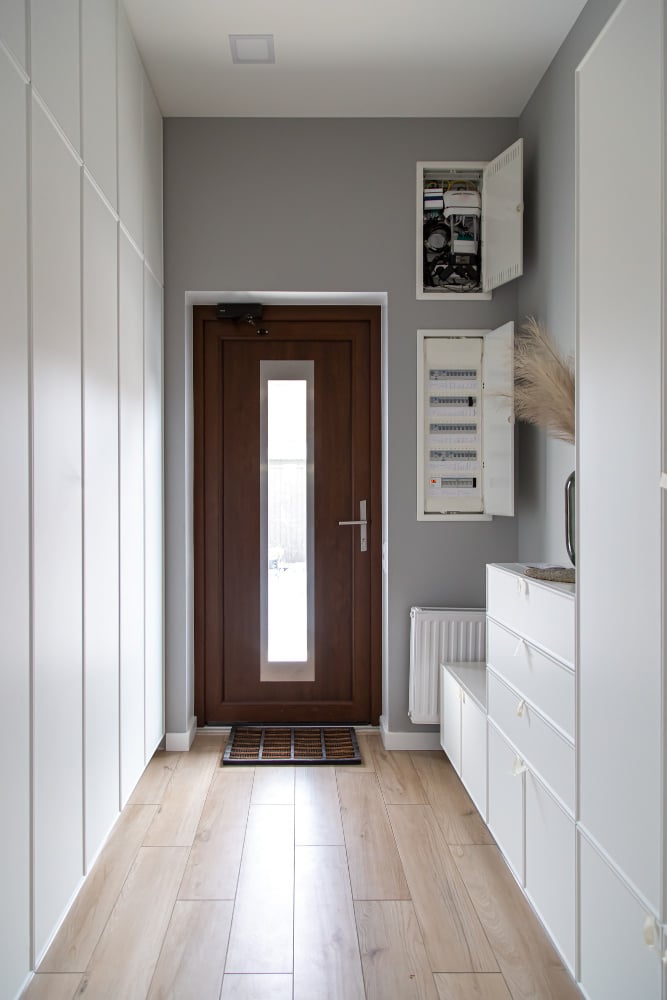
1. Start With the Entryway and Hallways
Start with the path a senior uses to enter and move around the home. Beyond the physical risks, consider how an older adult can get help if something goes wrong when they are on their own.
For seniors who live alone, an alert button for seniors, Canada, can provide another way to contact emergency support without having to reach for a phone.
Next, look at the floors. Loose rugs, curled edges, shoes, bags, electrical cords, and other items in the way can easily become tripping hazards. Remove anything you don’t need, and secure any rugs that must remain.
The lighting is equally important. Hallways should be well lit so you can walk through them easily – even at night. Motion-sensor lights can help because they turn on when someone gets up and starts to walk.
Also check thresholds and doorways. Raised edges or uneven transitions between rooms can be hard to see, especially for someone with reduced vision or balance.
2. Make the Living Room Easier to Navigate
Seniors spend a significant part of their day in the living room, so comfort and mobility should work together. Arrange furniture around clear walking paths, not just for the room’s appearance.
Begin by imagining walking through the space. Can they get from the sofa to the doorway without squeezing between the furniture? Is there room enough to turn safely? Are the coffee tables or footstools in a place where someone could bump into them?
Seating is important too. A very soft or low sofa may feel comfortable but may be hard to get out of. An older adult may find it easier to get in and out of a firm chair with supportive armrests.
Lastly, keep everyday items like phones, remotes, and reading glasses within reach. There should be little need to reach across furniture or to stand on unstable things.
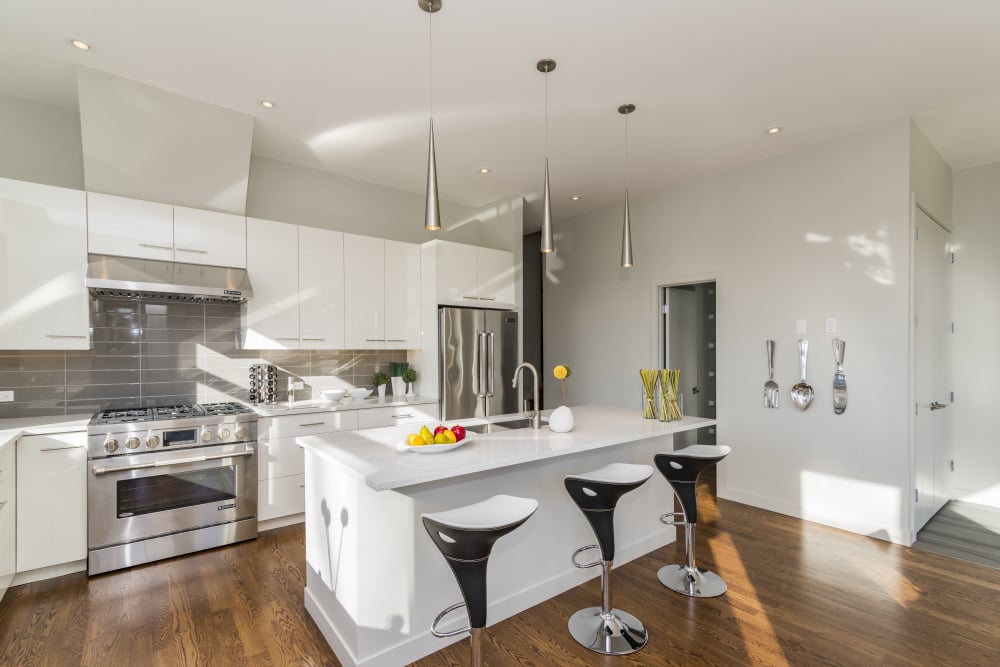
3. Reduce Hazards in the Kitchen
The kitchen brings together several hazards in one room: hot surfaces, sharp utensils, spills, heavy pots and pans, and appliances. The goal is to keep frequently used items within easy reach, without unnecessary stretching, bending, or climbing.
Move the plates, cups, pans, and ingredients you use most to shelves within easy reach. Heavy objects are particularly unsuited to high cabinets.
Also, clean up spills right away. Even small amounts of water or cooking oil can make the floor slippery. Keep walkways clear and make sure appliance cords aren’t an obstacle.
It’s also worth checking the stove. Where appropriate, stove safety devices with automatic shut-off features may help reduce the risk of a burner being left on.
4. Pay Extra Attention to the Bathroom
Bathrooms are one of the most important rooms to check, as water, smooth surfaces and awkward movements can combine to create a fall hazard. A bathroom should provide stability where a senior is likely to sit, stand, step or turn.
Add grab bars near the toilet and bathing area for support. They should be properly installed, not used as towel racks or other fixtures not designed to support body weight.
A non-slip surface in the shower or bathtub can help, too. A shower chair or handheld showerhead can make bathing more comfortable and reduce the need to stand for a long time, depending on the person’s needs.
Keep soap, shampoo, towels, and other essentials within reach. Good lighting is also key, especially at night when you need to use the bathroom.
5. Turn the Bedroom Into a Safer Resting Space
Bedrooms may seem safe enough, but moving about at night can create unexpected problems. Make sure the path from the bed to the bathroom or bedroom door is clear.
Don’t leave shoes, clothes, bags, or other belongings on the floor. Before you get out of bed, a bedside lamp should be within easy reach, and a nightlight can make the path easier to see.
You should also check the bed height. If it is too high or too low, it might take unnecessary effort to get in and out. Also, keep clothes and other frequently used items within easy reach.
For seniors who live alone, keeping a phone or emergency communication device alert device within easy reach of the bed can provide an additional way to call for help if needed.
6. Inspect Stairs, Entrances, and Outdoor Areas
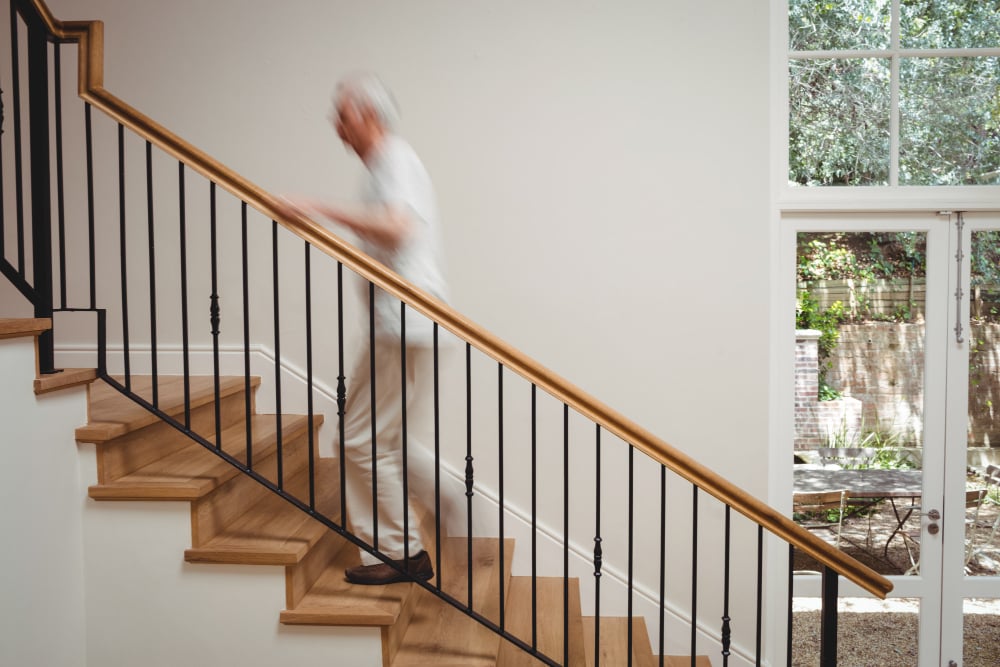
Stairs have to be easy to see and easy to use. Every stairway should have a sturdy handrail, adequate lighting, and steps free of debris.
Make sure all steps are clearly visible. Poor lighting or similar-looking surfaces can make it harder to distinguish one step from the next.
Outside the home, inspect walkways and entrances for cracks, uneven paving, loose surfaces, and areas that become slippery after rain. When it is dark outside and a senior comes home, outdoor lighting makes a major difference.
If there are multiple steps to the entrance, fitting handrails on the appropriate sides makes it easier to enter and leave.
Conclusion
Making a home safer for a senior doesn’t have to mean expensive renovations or big changes. It may start with simple things like decluttering walkways, adding lighting, securing rugs, adding grab bars in the bathroom, and keeping daily-use items in easy reach.
The best approach is to look at the whole house, not just one obvious hazard. Families can reduce preventable hazards by routinely inspecting each room and adapting the space as needs change, while also providing the comfort and independence older adults value.
