

A consortium led by Todd Boehly’s Eldridge signed a definitive agreement on November 25, 2026 to buy Lukoil International GmbH, the unit that holds the sanctioned Russian producer’s assets outside Russia. The buyers will swap Lukoil securities that Boehly and a US official valued at $10 billion for 100% of the unit’s equity.
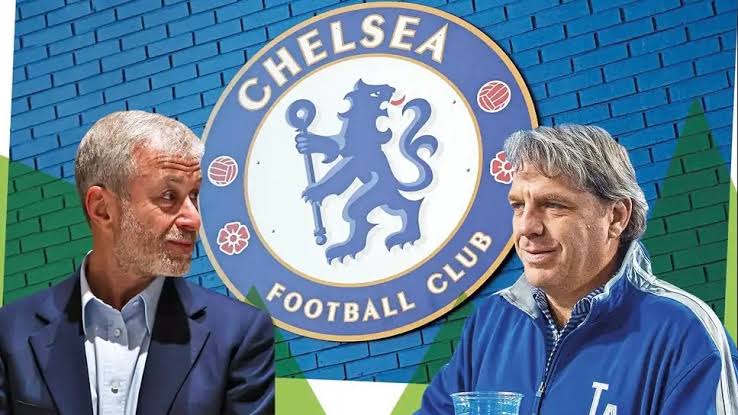
The $10 billion isn’t cash.
Eldridge’s release lists what changes hands: upstream output of about 350,000 barrels of oil equivalent a day across 11 countries, three refineries with roughly 350,000 barrels a day of combined capacity (Burgas in Bulgaria, Zeeland in the Netherlands and Petrotel in Romania), the LITASCO trading arm and more than 2,000 fuel stations in 16 countries across Europe, North America and Central Asia.
Eldridge’s partners are the US International Development Finance Corp (DFC), Xtellus Partners and UAE-based Catena Investment Holding, with Citi as lead financial adviser. The DFC gets an ownership interest at no upfront cost to taxpayers. Its stake is undisclosed, and it shares in profits only after the private investors recover their capital plus an agreed return. Abu Dhabi’s International Holding Company and the Al-Khayyat brothers left the group last week.
So what does Lukoil, Russia’s second-largest oil producer, get? Restricted shares in itself and other Russian companies, locked in a restricted custodial account for five years or until sanctions are lifted. That arrangement is meant to meet the US Treasury’s ban on any windfall to Lukoil, which it sanctioned in October 2025. The securities came from US and British funds and depositary banks that had held them, frozen and written down, since Russia’s 2022 invasion of Ukraine.
“…shares that are worthless to Americans… for cash that is going back to them.”
Todd Boehly, chairman and CEO, Eldridge Industries
The deal still needs approval from the Treasury’s Office of Foreign Assets Control (OFAC), and Boehly said closing could take up to a year. OFAC’s current licence for sale talks expires on December 19, according to The National’s report on the agreement. Earlier buyers never got that far. Gunvor withdrew in 2025 after Treasury opposition, and Carlyle’s January 2026 agreement lapsed in July without approval. The DFC had also talked to Chevron, Glencore and Carlyle about the assets.
What does the $10 billion actually tell you?
It’s a value put on the securities by Boehly and a DFC official, and the release itself names no price. The consortium’s bank bought those securities from Western holders at a price nobody has disclosed. Two people familiar with the terms put the whole portfolio at about $16 billion, and Boehly said that number moves with oil prices. Since the $16 billion isn’t on the record, the gap to $10 billion can’t be treated as a confirmed discount.
Three things to watch: OFAC’s ruling, whether the December 19 licence gets extended, and the size of the DFC’s stake.
