


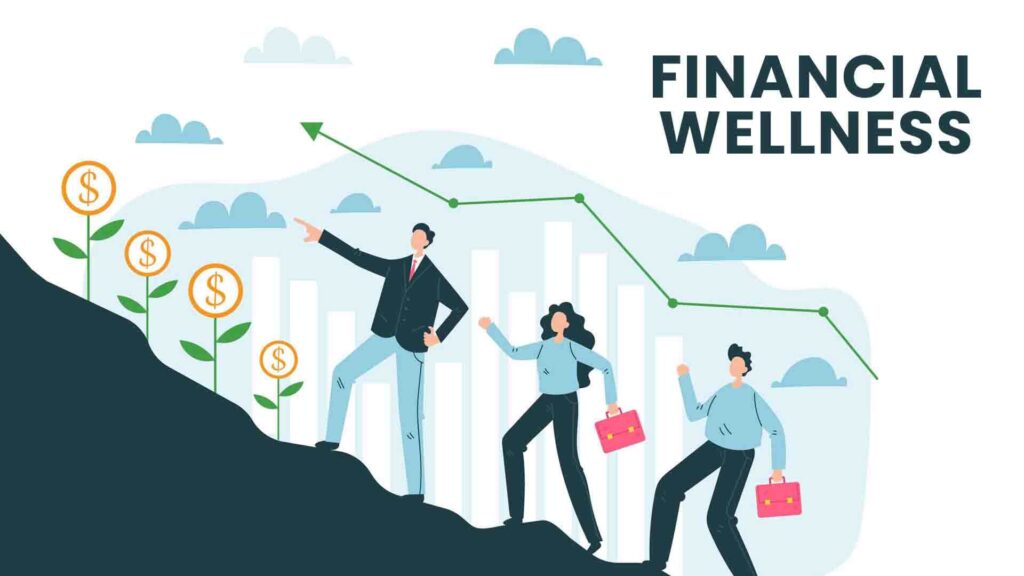
Spending carries a hidden cost: guilt, and nowadays people are increasingly immune to this unwanted stigma. For one, all of their purchases are seamless and instant, and people might feel the guilt only after opening their bank app days later.
Furthermore, continuous scrolling through social media or any websites (hello, ads) means that you are always subconsciously seeing what things you should buy. Hence, seeing promotional content everywhere increases the likelihood of giving in to temptations.
In this article, let’s observe how to fight these temptations and replace them with healthier activities.
Understanding financial wellness during these digital times
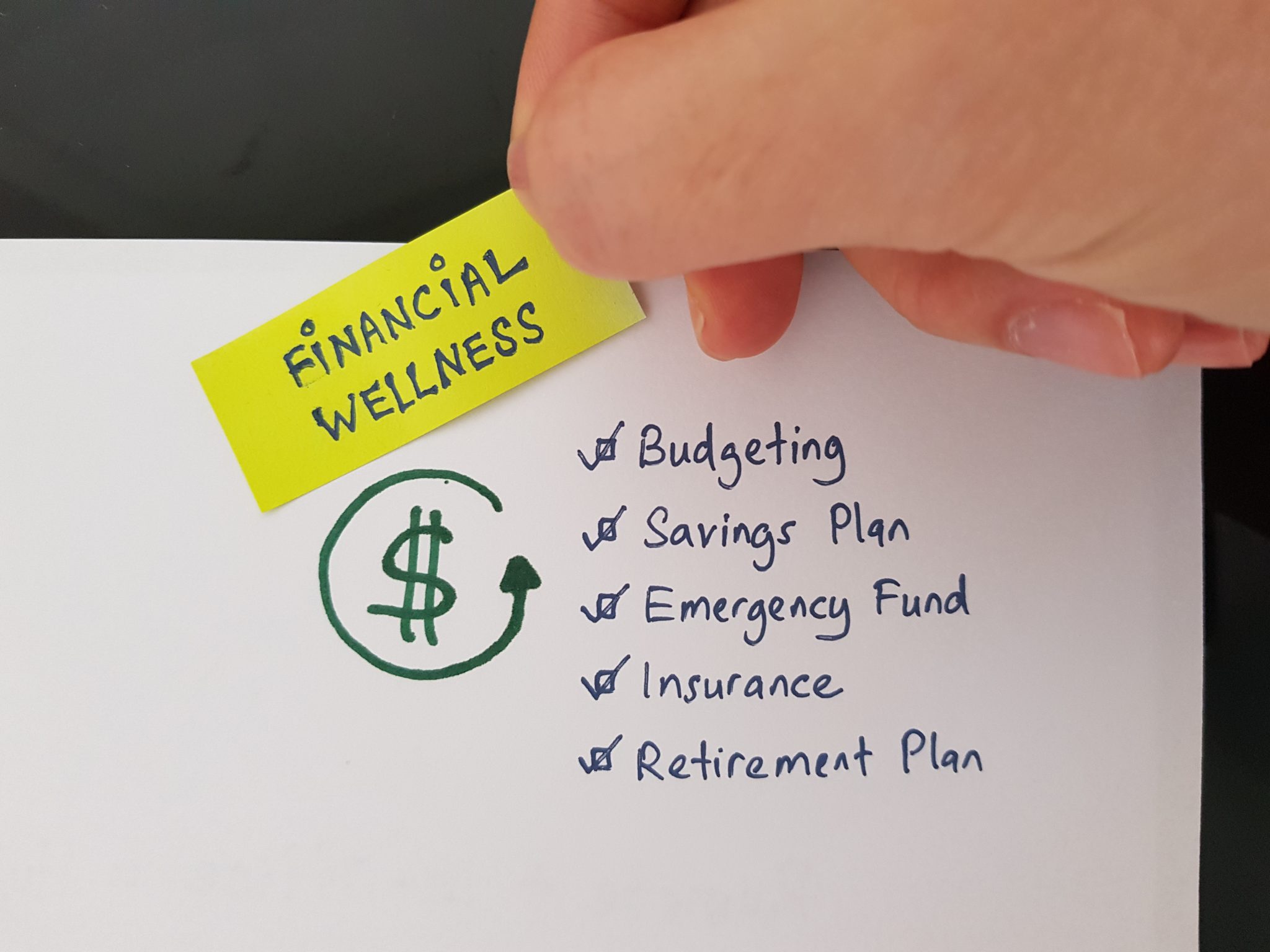
Feeling financially content means you are comfortable and confident in your savings and overall spending approach.
If we add the digital world to the mix, we see a concerning phenomenon when budgeting and constrained spending are threatened by the images and people we follow online.
Online environment, such as social media or even platforms like Pinterest, always keeps us on our toes in terms of what to buy next to please ourselves and feel like suitable members of society.
Learning to manage your desires and distractions
The chances are you won’t stop browsing online, nor will you magically embark on a journey of spending as little as possible. Readjusting your financial routines takes time and persistence, much like breaking a harmful habit.
Go online to earn instead of spending money
One way to reduce online shopping spend is to use this time for other activities. These could also relate to using an online earning website for passive income, which offers a nearly effortless way to earn money.
For example, JumpTask serves a variety of short-term gigs (microjobs) that you can perform at your leisure. That could mean you’re testing apps, training AI, playing mobile games, or completing surveys instead of looking for your next purchase.
Resist emotional or inspired spending
Influencers have a bigger hold on your wallet than you imagine. Do you immediately jump to the appropriate online store when a creator posts a haul video or recommends a product?
In many cases, people are more swayed by digital creators than any ad, and it comes down to one reason: content creators create more believable and relatable content.
We recommend saving these products for future reference. In other words, never hastily purchase items without first checking whether you actually want or need them.
Take advantage of professionals and apps
For one, we recommend selecting a suitable budgeting app or following creators who specialize in financial advice.
Of course, you might not need an app like YNAB or Mint: your current banking app could provide all necessary features, and you can avoid linking your banking activities to a third-party application.
Additionally, protecting your online activity can indirectly support better financial habits. Using tools like the best cheap vpn can help reduce aggressive ad targeting, limit data tracking, and create a calmer online environment with fewer impulsive purchase triggers.
Add more friction to online shopping
Convenient, instant shopping is both your best friend and your greatest enemy. Try to remember the days when you had to get your physical card and type in its information to make a payment.
Now, scrolling on your coach and with Apple Pay or Google Pay, you can make three purchases in the time it would have taken to create one.
Our recommendation is to avoid using Google Pay or Apple Pay and avoid saving your card information. Then you have more time to understand your actions and reconsider your spending decisions.
Conclusion
Overall, the digital space has significantly affected our relationship with money and spending. When browsing online, we are constantly exposed to promotional content, even if we want to read the news or check the weather forecast.
So, while you can minimize your exposure to such content, it likely won’t work long-term. The best option is to increase your resistance towards unnecessary spending, add friction to your payment journey, and use your free time for more productive activities.