



Walk down any street today and almost every passerby is glued to a glowing screen. That simple truth forced the world’s biggest brands to rethink how they speak, sell, and serve. The internet’s playground became the new main street overnight for everyone. In the early 2000s, many of them wondered whether online life was a fad.
Now, they pour most of their energy into pixels instead of posters. A clear example is how entertainment giants, fashion labels, and even casinos moved their core offers onto phones. For instance, players who once drove miles to spin a slot can now do the same on JackpotCity while waiting for a bus.
This story of rapid change shows that no industry is too old to learn a new trick. The coming sections look at four big moves that helped household names stay on top: trading billboards for newsfeeds, using social chat as a feedback loop, blending store shelves with apps, and turning data into personal touches.
From Billboards to Newsfeeds: The Shift to Digital
Before smartphones, brands fought for space on highway billboards and glossy magazine pages. Those static images were loud but clumsy; once printed, they could not be updated. When social networks exploded, forward-thinking companies moved fast. Coca-Cola filmed short, shareable clips instead of long TV spots.
Nike posted behind-the-scenes photos of athletes, sparking conversations that no poster could host. By focusing on newsfeeds, they gained two advantages. First, distribution became instant and global. A single tap could reach millions in seconds. Second, performance became measurable.
Marketers finally saw which message earned a click and which one flopped. With that data, teams tweaked colors, headlines, and timing in real time, stretching budgets further than any outdoor sign.
The lesson is simple: digital space is not only cheaper; it listens back. Brands that learned this early built deeper ties with young audiences who spend more time scrolling than strolling past traditional ads every day, and sales soared in markets they never entered.
Listening to the Crowd: Social Media Feedback Loops
Years ago, a company might wait months for focus-group results to know if a product resonated. In the digital age, feedback arrives the moment a post goes live. Wendy’s playful tweets, for example, collect thousands of comments within minutes. The burger chain reads, replies, and sometimes roasts fans, turning interaction into entertainment.
This two-way street guides real decisions. When Lego crowdsourced new set ideas online, its designers could spot runaway favorites before cutting plastic molds. Even luxury houses, once guarded and mysterious, now host Instagram polls on color choices for next season’s bags.
The constant loop trims risk and builds loyalty because customers see their voice shape the final offering. Still, brands must filter signal from noise.
Smart teams track repeated requests and ignore passing jokes. By keeping ears open while steering the ship, leading companies reinvent the classic slogan “the customer is always right” into “the customer is always live.” Swift fixes turn stumbles into wins.
Seamless Shopping: Omnichannel Experiences
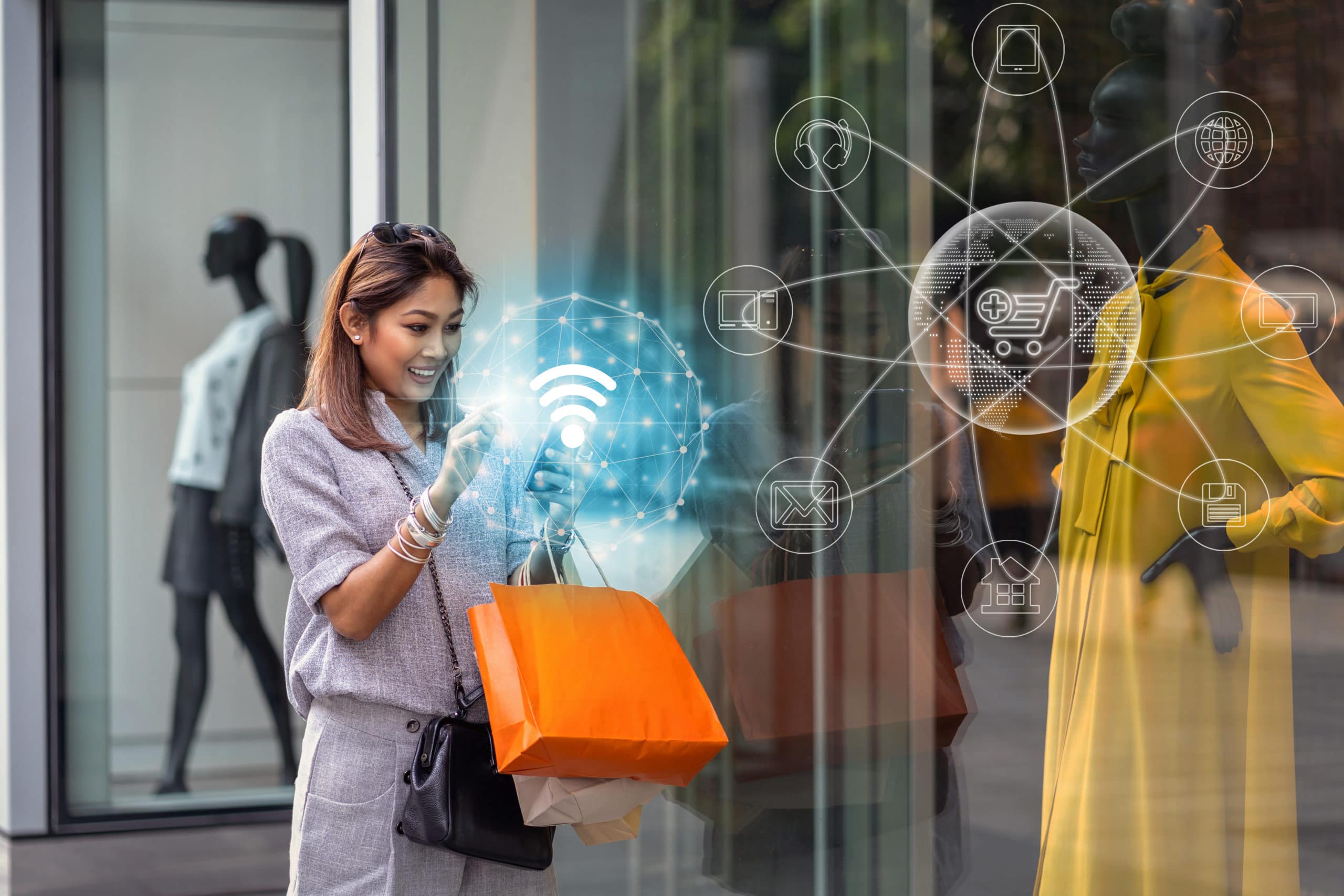
Digital growth did not kill brick-and-mortar stores; it forced them to evolve. Today, shoppers expect a journey that starts on a couch, pauses in a mall, and ends back on the couch again. Target mastered this dance by letting guests check aisle stock on its app before driving over.
Apple goes further, allowing a customer to order online, pick up in-store, and pay with a watch at the door. Each step feels like one smooth conversation rather than separate errands. The magic lies in shared databases that update every cart, shelf, and shipment in real time.
When inventory and customer profiles stay in sync, service improves and returns drop. Small businesses can join the trend with cloud point-of-sale systems that link websites to register scanners overnight.
The core lesson: meet buyers wherever they are, then remove every ounce of friction. When the path to purchase is easy, loyalty follows without a coupon. Many parents cheer this smooth path.
Data-Driven Creativity: Personalization at Scale
A decade ago, sending the same email blast to a million people felt normal. Today, that would be like handing every diner the same meal regardless of allergies. Streaming leader Netflix proved the power of tailoring by serving unique show thumbnails based on each viewer’s history.
Starbucks uses its rewards app to suggest drinks that match local weather, shifting iced options forward on hot afternoons. These personal nudges depend on collected data, but raw numbers alone are useless. The real edge comes from teams that blend analytics with imagination.
Spotify’s “Wrapped” campaign takes listening stats and turns them into shareable stories that dominate social feeds each December. Privacy rules do set limits, so responsible brands ask for permission and protect what they gather.
When customers trust that their information is safe and used to help them, they happily trade data for delight. Personalized touches turn marketing from background noise into a friendly whisper that says, “We know what you like.”