


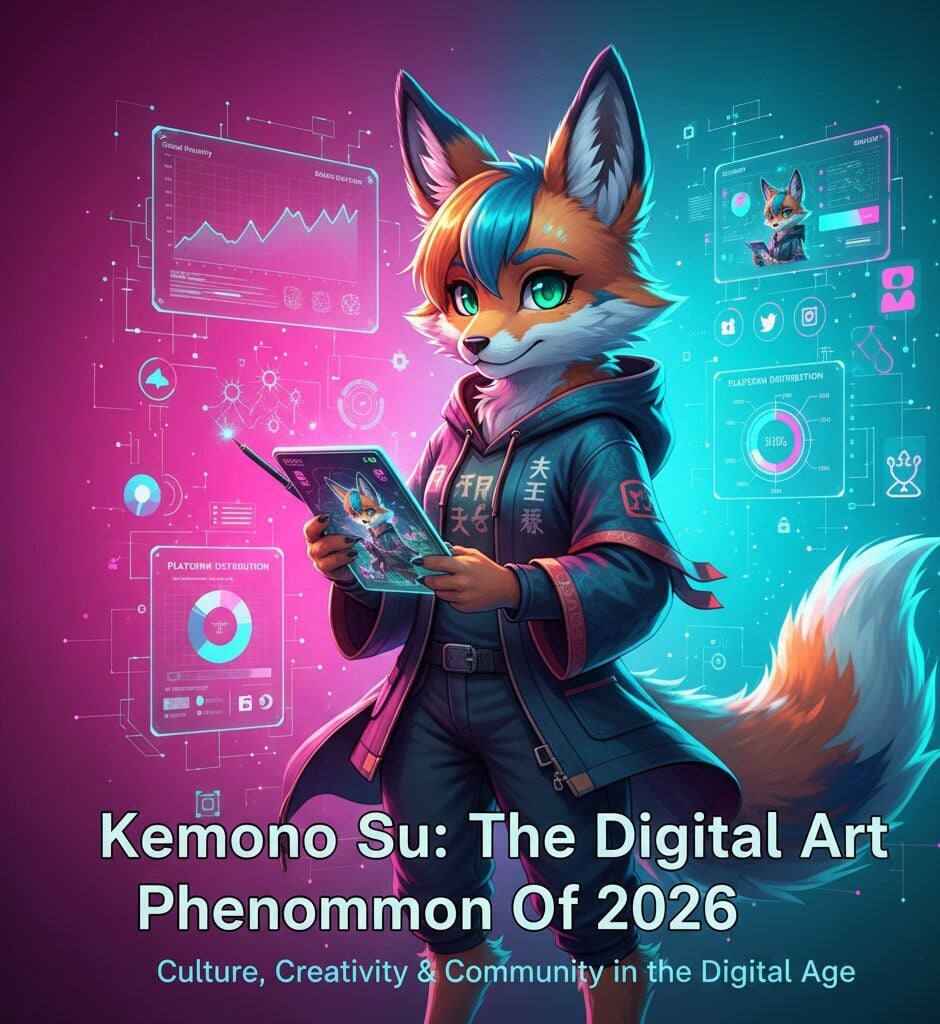
Kemono Su represents a distinctive segment within Japanese digital art culture. The platform emerged as a gathering space for anthropomorphic character art blending traditional Japanese aesthetics with modern digital techniques. Artists worldwide now recognize this style for its expressive character designs and cultural significance.
What Is Kemono Su Art Platform
The Japanese term “Kemono” translates to “beast” or “animal.” Contemporary art circles use this designation for anthropomorphic characters displaying animal features combined with human traits.
These characters walk upright, wear clothing, and communicate through speech. Digital artists create these designs across manga illustrations, fan publications, and original artwork distributed through online platforms.
Japanese Kemono designs differ from Western interpretations through rounder proportions and enhanced cuteness factors. The style emphasizes softer visual elements and expressive features that appeal to broad audiences.
How Kemono Art Style Operates
Artists develop Kemono characters through specific design principles. The style requires balanced proportions between human and animal features. Character designs maintain recognizable animal traits while expressing human emotions and behaviors.
Digital platforms facilitate community growth. Artists share work through dedicated galleries and social networks. Subscription services support professional creators who produce Kemono content regularly.
The creation process combines traditional Japanese art influences with contemporary digital tools. Artists employ specialized software for detailed fur textures, gradient coloring, and dynamic poses. Production workflows mirror techniques used by major entertainment companies in their animation divisions.
Kemono Art Platforms and Content Distribution
Multiple platforms support Kemono art distribution. Each service provides different features for creators and audiences. These networks facilitate content sharing across international borders.
| Platform Type | Primary Function | Creator Focus |
|---|---|---|
| Social Media | Portfolio display | Community building |
| Art Galleries | Professional showcase | Commercial work |
| Subscription Services | Exclusive content | Income generation |
| Fan Communities | Discussion forums | Collaborative projects |
Cultural Context and Kemono Communities
Kemono art evolved from Japanese manga and anime traditions. The style gained recognition during the 1980s alongside rising popularity of anthropomorphic characters in commercial media.
Digital technology accelerated community growth. Online platforms enabled artists to share work instantly across continents. This connectivity fostered collaboration between Japanese creators and international audiences.
Convention culture supports community development. Events dedicated to Kemono art attract thousands of attendees annually. These gatherings feature artist exhibitions, workshops, and merchandise sales. Similar patterns emerged in gaming communities around entertainment platforms that brought enthusiasts together.
Who Creates Kemono Su Art and Why
Professional artists produce Kemono content as primary income. These creators develop original characters, commission work, and tutorial materials. Many maintain subscription services providing exclusive content to supporters.
Amateur artists contribute significant volumes. Hobbyists share fan art and personal projects across free platforms. This grassroots participation sustains community vitality and introduces new design innovations.
Motivations vary across creator demographics. Some pursue artistic expression through character design. Others develop portfolios for professional opportunities. Educational content creators teach Kemono techniques to aspiring artists.
Visual Characteristics of Kemono Art Style
Kemono designs feature distinct visual elements. Characters typically display large expressive eyes, small noses, and soft body proportions. These traits create approachable yet sophisticated appearances.
Color palettes range from pastel tones to vibrant gradients. Artists apply detailed fur textures and shading techniques. Clothing designs incorporate both modern fashion and fantasy elements.
Technical execution requires specific skills. Artists master digital painting software, anatomy principles, and character expression. Advanced creators develop signature styles distinguishing their work from peers. This specialization mirrors production techniques refined by companies like technology manufacturers developing visual display technologies.
Connection With Global Furry Culture
Kemono art shares similarities with international furry communities. Both celebrate anthropomorphic characters and creative expression. Stylistic differences reflect cultural origins and artistic traditions.
| Kemono Style | Western Furry Style |
|---|---|
| Softer appearance | More realistic proportions |
| Anime-influenced aesthetics | Comic book traditions |
| Emphasis on cuteness | Varied artistic approaches |
| Japanese pop culture roots | Western animation heritage |
Cross-cultural collaboration occurs frequently. Western artists adopt Kemono techniques while Japanese creators incorporate Western elements. This exchange enriches both communities and expands creative possibilities.
Online platforms facilitate these interactions. Artists collaborate on projects spanning multiple countries. Language barriers diminish through visual communication and translation tools available through international technology platforms.
Issues and Debates Within Kemono Communities
Content distribution practices generate ongoing discussions. Unauthorized sharing of premium artwork affects creator income. Artists who depend on subscriptions face financial challenges when content circulates freely.
Copyright protection remains complex. Platforms struggle balancing accessibility with creator rights. Some implement technical safeguards while others rely on community standards and user reporting systems.
Explicit content guidelines create tension. Different regions maintain varying standards for acceptable material. Communities debate appropriate boundaries between artistic freedom and audience protection. These conversations parallel discussions across media organizations worldwide.
Kemono Art Market and Economic Impact
Professional Kemono artists generate substantial income. Top creators earn thousands monthly through subscriptions and commissions. The market supports specialized niches within the broader art community.
Commission rates vary based on complexity and artist reputation. Simple character designs start at moderate prices while detailed illustrations command premium fees. Many artists maintain waiting lists extending several months.
Merchandise sales provide additional revenue. Artists produce prints, stickers, and physical goods featuring popular characters. Convention sales and online shops distribute these products to international audiences.
Technical Tools for Kemono Art Creation
Digital artists employ specialized software. Industry-standard programs offer advanced features for character design and illustration. Professional tools provide precise control over line work, coloring, and effects.
Hardware requirements support demanding workflows. Graphics tablets enable natural drawing motion. High-resolution displays show accurate color representation essential for professional output. These tools evolved alongside innovations from technology companies advancing creative industries.
Learning resources assist skill development. Online tutorials teach fundamental techniques through video demonstrations. Community forums provide feedback and technical support for artists at all levels.
The Future of Kemono Su Art in 2026
Kemono art continues expanding internationally. New platforms emerge supporting creator monetization and audience engagement. Technology advances enable more sophisticated visual effects and interactive content.
Artificial intelligence affects production workflows. Some artists incorporate AI tools for preliminary sketches or background generation. Debates surrounding AI usage in creative processes influence community standards and ethical guidelines.
Virtual reality platforms present new opportunities. Artists explore three-dimensional character design and immersive environments. These developments may transform how audiences experience Kemono art beyond traditional two-dimensional formats.
Community growth shows no signs of declining. Younger artists enter the field with fresh perspectives and technical skills. International recognition increases as mainstream audiences discover Kemono aesthetics through various media channels.
FAQs
What defines Kemono art style?
Kemono art features anthropomorphic animal characters with human traits. The style emphasizes soft proportions, large expressive eyes, and cute aesthetics rooted in Japanese manga traditions. Artists create these characters for digital platforms and fan communities.
How do Kemono and furry art differ?
Kemono art displays softer appearances and anime-influenced aesthetics while Western furry art typically shows more realistic proportions. Japanese Kemono emphasizes cuteness whereas furry art encompasses varied artistic approaches. Both celebrate anthropomorphic characters through different cultural lenses.
Where do artists share Kemono artwork?
Artists distribute Kemono art through social media platforms, dedicated art galleries, and subscription services. Many creators maintain multiple profiles across different platforms to reach diverse audiences. Convention events also provide physical spaces for community interaction.
Can Kemono artists earn sustainable income?
Professional Kemono artists generate income through subscriptions, commissions, and merchandise sales. Top creators earn substantial monthly revenue from supporter platforms. Success requires consistent output quality and active community engagement to maintain financial sustainability.
What tools create professional Kemono art?
Artists use digital painting software with graphics tablets for precise control. Industry-standard programs offer advanced features for character design. High-resolution displays ensure accurate color representation. Learning resources help artists develop technical skills through tutorials and community feedback.