


History books often focus on wars and presidents, but the backstories of everyday brands can be just as exciting. Picture 19th-century storefronts, smoky workshops, and late-night brainstorms that accidentally changed the world.
One evening, a high roller craving new thrills wandered into a rowdy saloon; he never imagined that a live casino would someday deliver a jackpot of ideas that reshaped modern business.
In the same spirit of chance and curiosity, inventors and founders have stumbled onto breakthroughs that now sit on grocery shelves or in pockets everywhere. This article opens the dusty archives to share little-known facts about four famous companies.
Each tale shows how luck, mistakes, or playful thinking guided these brands toward global fame. Get ready for cola that once promised nerve cures, toys born from burnt wood, and video games that started as painted playing cards. Their hidden twists may well surprise even the biggest trivia fan.
So grab a snack, settle in, and enjoy a whirlwind tour through boardrooms, basements, and unexpected twists of fate.
Coca-Cola’s Secret Ingredient Swap
In 1886, pharmacist John Pemberton stirred together a brown syrup meant to cure headaches and calm nerves. The potion contained coca leaf extract, giving it a mild buzz that Victorian customers loved. What many people do not know is that the buzz almost disappeared overnight.
When the Spanish-American War triggered a steep tax on alcohol, Pemberton’s successor, Asa Candler, quietly removed the drink’s wine base and replaced it with plain water to save money. The formula lost some kick, so Candler doubled the sugar and amped up the fizz to keep customers returning.
He also swapped fresh coca leaves for spent ones to avoid growing worries about cocaine. These changes, done in a rush to dodge taxes and scandal, turned a pharmacy tonic into a refreshing soda safe for all ages. Without that tax panic, the world might still sip a boozy, medicinal cola instead of the sweet fountain favorite known today.
Nintendo’s Card Game Beginnings
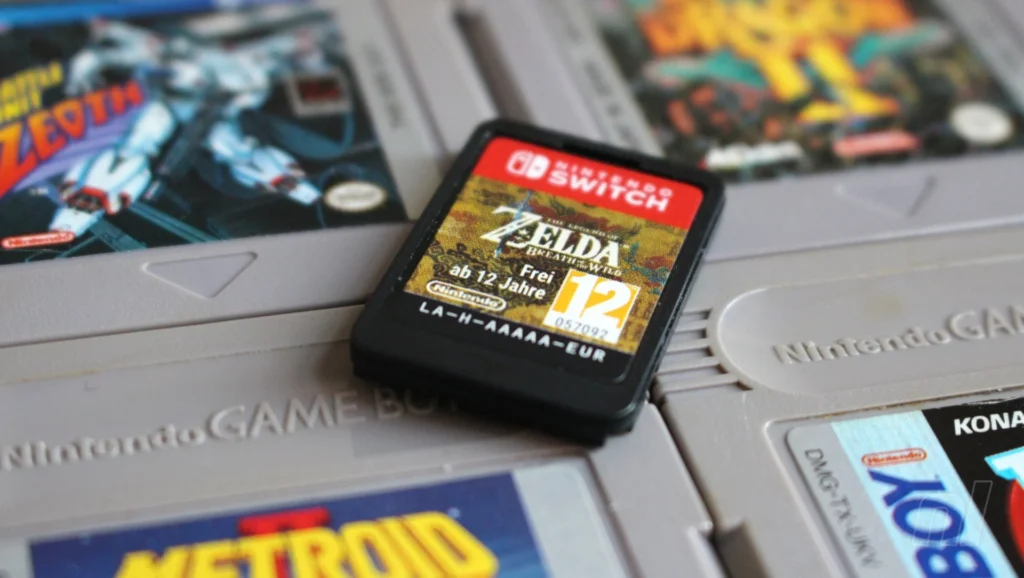
Nintendo may be synonymous with pixelated plumbers, yet the company’s first products were made of thin paper, not silicon. Founded in 1889 by craftsman Fusajiro Yamauchi, Nintendo produced “hanafuda”—hand-painted playing cards used for a fast gambling game popular in Kyoto’s tea houses.
Because gambling was technically illegal, the business relied on secret agreements with bar owners and even local crime families. To keep decks disposable and hard to trace, Yamauchi hired artisans who could finish a full card in under a minute, then paid them per piece.
The real twist came in the 1950s, when Hiroshi Yamauchi, the founder’s grandson, noticed that sales stalled after customers bought a single deck that lasted for years. He responded by printing Disney characters on special edition cards, creating the first licensing deal in Japanese toy history.
Kids begged parents for the colorful decks, sales exploded, and Nintendo learned a lesson about recurring revenue that later shaped its hit video game consoles.
LEGO’s Almost Missed Plastic Revolution
Today’s interlocking bricks seem timeless, yet LEGO nearly missed the plastic train altogether. In the 1930s, Danish carpenter Ole Kirk Christiansen made wooden ducks and trucks in a small workshop. During World War II, a fire destroyed much of his lumber stock, forcing him to test a crude plastic injection machine no one else in town wanted.
The early molds were imprecise; bricks stuck together or fell apart, and children complained. Most employees begged Christiansen to return to wood. Instead, he ordered tighter tolerances and introduced the now-famous hollow tubes that lock bricks with a soft click.
Sales still lagged until 1958, when a color television show featured a child building a futuristic house with the improved bricks.
Parents rushed to stores, and building sets sold out across Scandinavia. If that fire had not ruined the wood supply, LEGO might have stayed a small maker of carved animals, leaving modern cities and starships unbuilt on bedroom floors.

Apple’s Garage Myth vs. Reality
The image of Apple Computer starting in a dusty California garage is iconic, yet the full story has a quirk few people hear. Steve Jobs and Steve Wozniak did meet in Jobs’s parents’ garage, but only to showcase finished boards.
The real engineering happened at Wozniak’s cubicle in Hewlett-Packard and later in the back room of a local computer store that lent tools after hours. The garage, lacking heat and proper power, served mainly as a pick-up point where a buyer could back a truck up the driveway without alerting neighbors.
Even stranger, early orders for the Apple I were financed by selling a batch of “blue boxes,” illegal devices the duo built to hack long-distance phone calls.
That underground cash flow let them buy parts in bulk and impress their first retailer, The Byte Shop. So while the garage photo inspires entrepreneurs, clandestine phone hacks and borrowed workbenches actually kept Apple’s first chips blinking.