

The first wave of crypto gaming was easy to recognize. It carried the language of early Bitcoin culture, promised an escape from traditional payment rails, and relied heavily on the excitement of volatility, speed, and novelty.
For a while, that positioning made sense. Bitcoin gave online gaming businesses a clear identity and a strong way to differentiate themselves from card-based platforms and bank-dependent casino models. It felt borderless, modern, and native to the internet in a way older systems did not.
But markets rarely stay in their first identity forever. As online gaming matured, operators started facing a more practical question. It was no longer enough to look crypto-native. The business had to run smoothly every day.
Deposits had to make sense to users. Withdrawals had to feel reliable. Balances had to be easier to understand.
That is where the quiet shift began. The conversation moved away from crypto as spectacle and toward crypto as infrastructure.
Why Bitcoin Was the Right Beginning?
Bitcoin was a natural starting point because it matched the early culture of crypto gambling. It offered a way around traditional banking friction, carried a strong digital-first identity, and made online gaming feel connected to a broader shift in internet finance.
For many early operators, that mattered just as much as the payment utility itself. Bitcoin was not only a transaction method. It helped define the product’s image.
Its appeal at that stage came from a few clear advantages:
- It reduced dependence on traditional payment systems.
- It gave platforms a more crypto-native identity.
- It supported faster, simpler wallet-based access.
- It fit the risk-tolerant mindset of early adopters.
That early alignment also influenced product design. Simpler games, quicker sessions, and wallet-led onboarding suited a market where users were willing to accept volatility in exchange for speed and independence.
At that point, excitement often covered weaknesses in the underlying business model. A crypto casino could still feel attractive even before its long-term operating structure was fully developed.
When Hype Stopped Solving Operational Problems?
The challenge is that volatility works better as a narrative than as an operating layer. What feels exciting to speculators does not always feel practical to ordinary users. In gaming, balance clarity matters.
Deposit timing matters. The feeling of moving in and out of a session without second-guessing exchange-rate swings matters.
Once operators began focusing more on retention, payment efficiency, and repeat use, Bitcoin’s early strengths started to look less complete.
That pressure helps explain why a Duckdice usdt casino model is easier to read as an operational decision than as a branding gimmick.
On its USDT page, DuckDice emphasizes native Tether betting, fast cashouts, unlimited withdrawal limits, and provably fair mechanics rather than the old crypto language of pure novelty.
The tone is more practical than ideological, which says a great deal about where this part of the market has moved.
The important shift was not simply from one coin to another. It was from volatility-driven positioning to stability-oriented operations. That is a bigger business change than it first appears.
Why Stablecoins Fit the Next Stage Better?
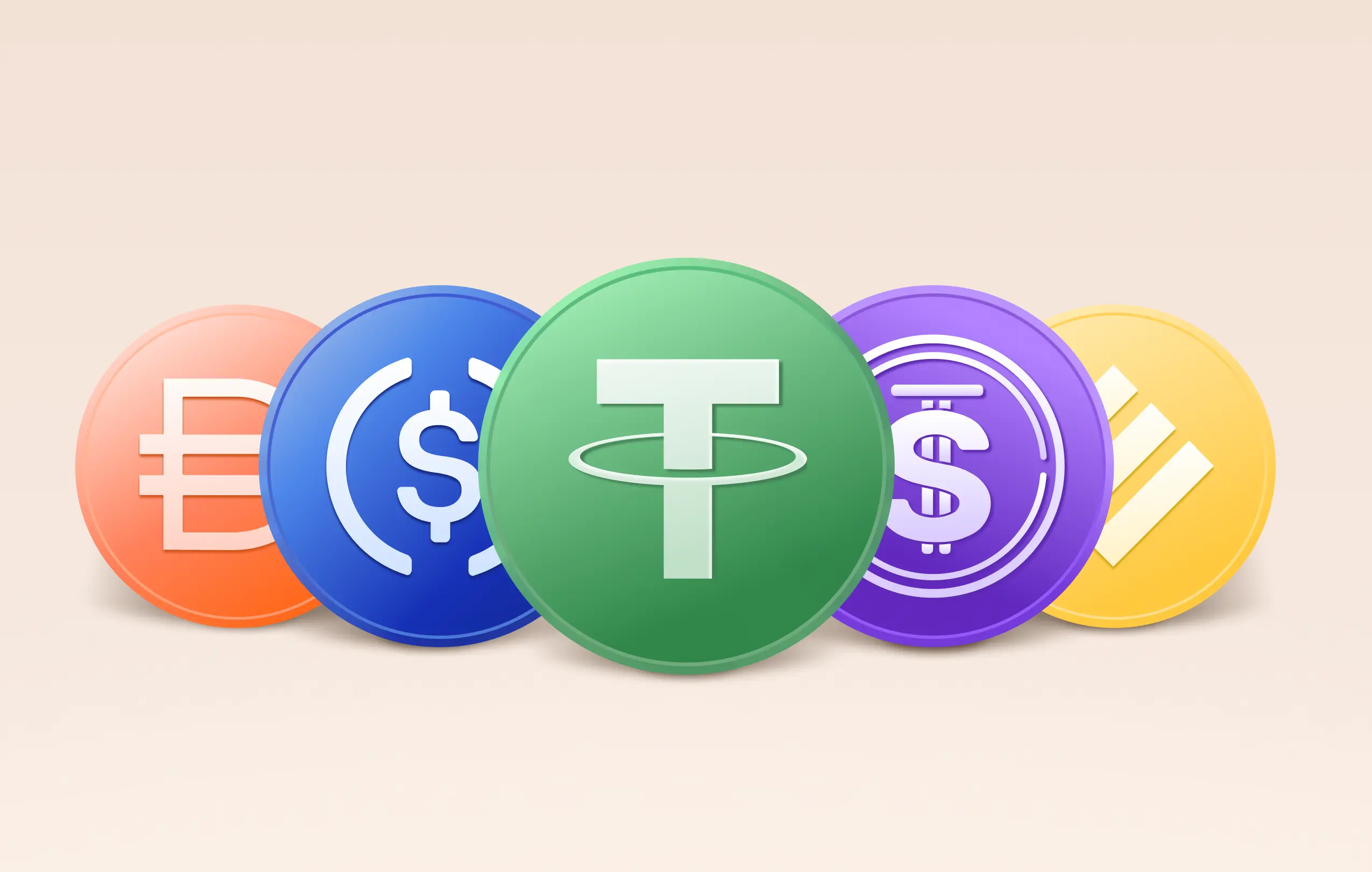
Stablecoins brought something that online gaming businesses increasingly needed. They reduced the interpretive friction around value. A bankroll held in a dollar-pegged asset is easier for most users to follow than one moving with the price of Bitcoin.
That does not remove risk from gambling, but it does reduce one layer of uncertainty around deposits, withdrawals, and session management. In product terms, that makes the experience easier to scale.
This is where the industry started to look less like an experiment and more like a set of mature digital operations.
Recent iGaming commentary has repeatedly framed payments as a strategic priority, tied directly to conversion, retention, and platform resilience rather than treated as a secondary technical matter.
That matches the logic of stablecoin adoption. A more stable payment rail does not simply help the cashier page. It changes how the entire product feels in use.
The practical appeal is clear. Stablecoins are easier to position around predictable value. They fit promotional structures more cleanly.
They simplify user expectations around cashing out. And they let operators present speed and reliability without forcing users to absorb an extra layer of market volatility every time they log in.

Trust Had to Evolve Alongside Payments
Payments alone do not mature a business. Trust has to mature with them. In early crypto gaming, speed and anonymity often did most of the persuasive work.
Over time, that stopped being enough. Players also wanted better verification, clearer mechanics, and more confidence that fast-moving systems were not simply opaque systems.
That is why provably fair design became more important in the same period that stablecoin operations grew.
DuckDice’s fairness documentation explains a seed-based verification model using client seed, server seed, nonce, and SHA-256 hashing so users can independently verify dice outcomes.
Whether or not every player checks those mechanics, the existence of that logic changes the product. It turns trust into something that can be inspected rather than merely claimed.
Seen together, stablecoins and verifiable fairness point to the same underlying transition. The sector became less interested in looking radically different from traditional gaming and more interested in building a clearer case for why its own model could work at scale.
What This Shift Says About the Industry Now?
The change in focus from Bitcoin-driven thrill to stablecoin-based operations signifies the bigger transformation in the way the companies offering online gaming are developing.
It hints the sector is transitioning to a more mature and regulated phase. Rather than depending essentially on the freshness and spur, quite a few operators are turning their attention to the models of doing business that will endure over time, the modes of payment that will operate with greater ease, and the means that will suit the regulatory and efficiency-oriented environment.
That is why this shift matters beyond one platform or one payment method. It reflects a wider business lesson. Internet-native industries often begin with identity and momentum. They grow up through operational clarity.
In crypto gaming, Bitcoin helped define the first chapter. Stablecoins are helping write the chapter in which the product has to function consistently, retain users, and make economic sense day after day.
The loudest part of the story may have been the early hype. The more durable part is the quiet infrastructure that followed.
