

Let’s be honest, most of us don’t analyze ads. We scroll, we glance, we react. And right now, that’s exactly why logical fallacies in advertising continue to work so well. Thus, advertising rarely lies directly. Instead, it nudges, suggests, and creates emotional pressure.
Sometimes, it makes connections that feel logical but actually aren’t. And unless you’re trained to notice these patterns, they slide right past you.
If you’ve ever seen a commercial saying, “9 out of 10 people prefer this brand” without explaining who those people are, that’s already one of the classic examples of logical fallacies in advertising. Or when an ad implies that because a celebrity uses something, it must be effective.
These ads with logical fallacies don’t always look dramatic or extreme and are often subtle. A small exaggeration, a simplified choice, a dramatic before-and-after story. But over time, these techniques shape how we think.
While an advertiser may use a misleading ad to get a quick win, it can harm a publisher’s reputation and even lead to problems with ad policies. This is why it is essential to detect dubious ads before they are published.
The great thing is that you do not have to go through this process alone since there are services that can assist publishers in detecting suspicious claims and making sure their content is credible.
1. Attekmi

Attekmi can help you evaluate advertising content and detect logical fallacies in advertising. It goes beyond superficial checks and dives into the ad’s messaging, examining both text and visuals.
For instance, if a campaign claims, “9 out of 10 users prefer this product,” Attekmi flags this as a potential hasty generalization — a classic logical fallacy in advertising.
The tool provides in-depth reporting with key takeaways, which highlight the cases of logical fallacies in advertisements and how they could be misleading.
This allows marketing professionals to make adjustments in advance, and publishers can also use filters to remove misleading advertisements. Using Attekmi ensures that your platform doesn’t become a place where ads with fallacies shape audience perceptions unconsciously.
2. AdVerif.ai
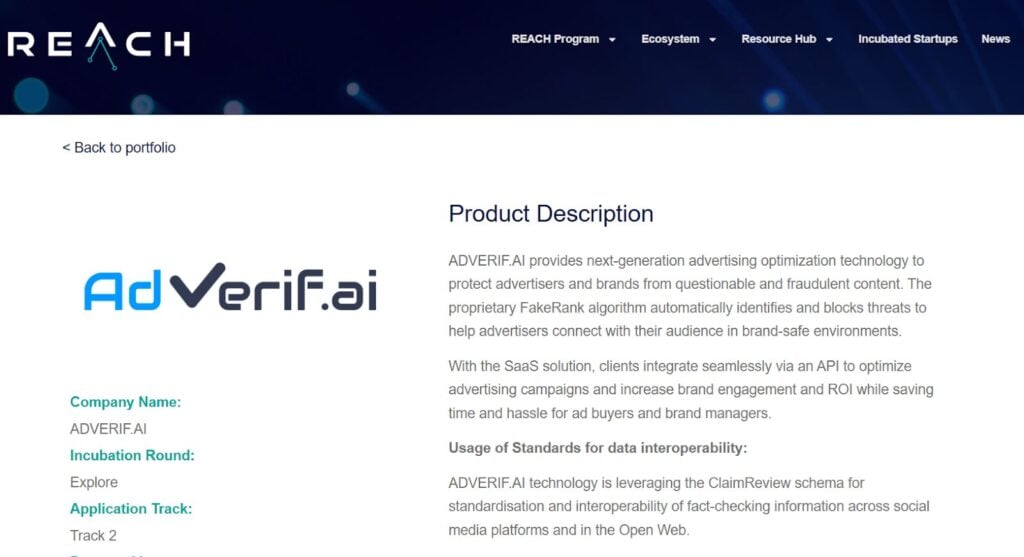
AdVerif.ai employs AI and machine learning algorithms to scan the content of the ads in real-time, pointing out ads with logical fallacies before they are shown to the audience.
The algorithms can identify oversimplifications, false cause-and-effect claims, and appeals to authority or emotion, which are common logical fallacies in ads.
For instance, an ad with the claim “If a celebrity uses it, you will succeed too” would be flagged as an appeal to authority, which is a type of fallacy in advertising.
With the automated process of fallacy detection, AdVerif.ai allows publishers to ensure high-quality content without having to manually check thousands of ads.
AdVerif.ai also provides examples of each type of fallacy, which acts as a guide for teams on how to interpret ads containing fallacies.
3. DoubleVerify
DoubleVerify is known for its verification solutions that ensure ads are viewable, brand-safe, and free from fraud.
However, it also has solutions to detect misleading ads and ads with logical fallacies. The tool can detect ads that contain overstated benefits, unsupported comparisons, and “before and after” scenarios.
By using DoubleVerify, you can ensure that advertisements with logical fallacies do not undermine trust or violate industry norms.
The analytics provided by the platform can also assist marketers in determining which types of logical fallacies in ads are potentially falling through the cracks.
4. Adalytics
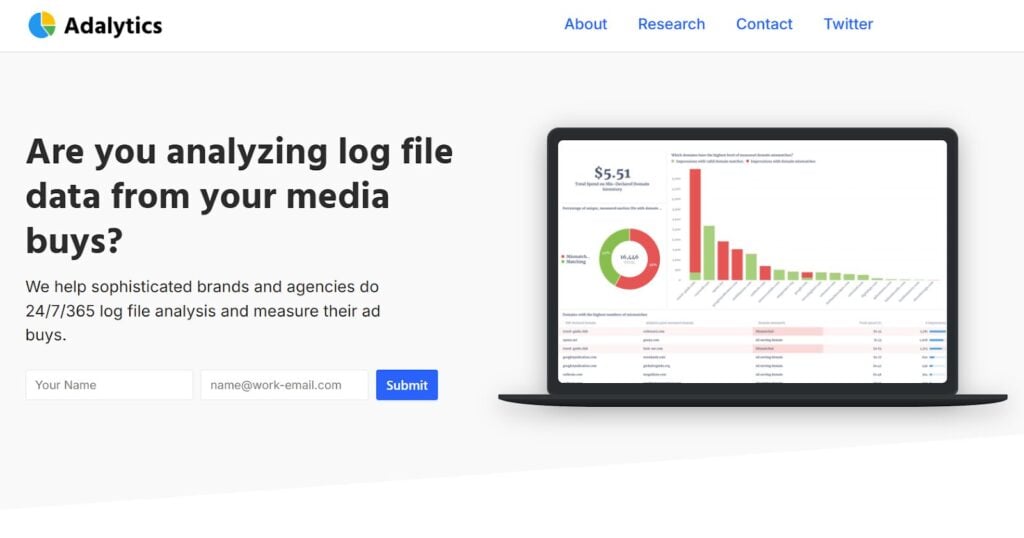
Adalytics is more about the analysis of advertising messages and the perception of the audience. It points out ads with fallacies, such as false dilemmas, emotional appeals, and overgeneralizations.
One of the advantages of using Adalytics is that it provides educational resources. It has case studies with examples of logical fallacies in advertising. This helps teams identify potential manipulations before they are published.
This makes Adalytics not only useful for detecting deceptive content but also for educating employees on how to identify the logical fallacy in advertising on their own.
5. Zefr
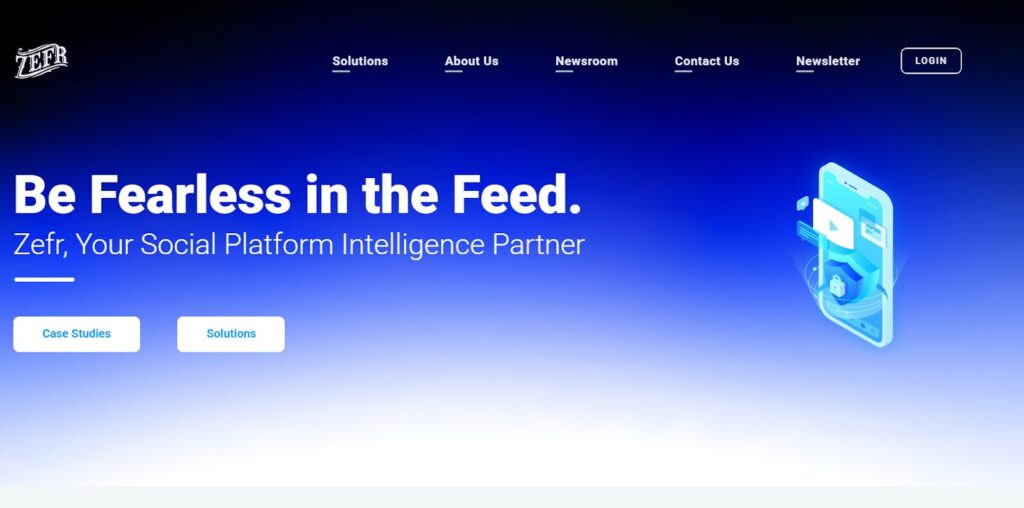
Zefr uses contextual targeting and verification to ensure that ads are targeted and have messages that are true and accurate.
The platform also points out ads that contain logical fallacies, such as overstatements, misrepresentations of statistics, and endorsements that claim causation without evidence.
Zefr assists advertisers in crafting persuasive yet ethical campaigns, while it also enables publishers to filter out ads with fallacies that may negatively impact the trust of the audience.
Zefr analyzes advertisements based on their content as well as context to ensure that the use of advertisements with logical fallacies is minimized.
Conclusion
In the contemporary digital environment, even the smallest ads with logical fallacies can influence consumer behavior in the long run.
Whether it is an overstatement or an appeal to emotions, the logical fallacies in ads are very effective and hard to notice.
Solutions such as Attekmi, AdVerif.ai, DoubleVerify, Adalytics, and Zefr give publishers and advertisers the knowledge and tools they need to prevent misleading content from reaching the target audience.
