

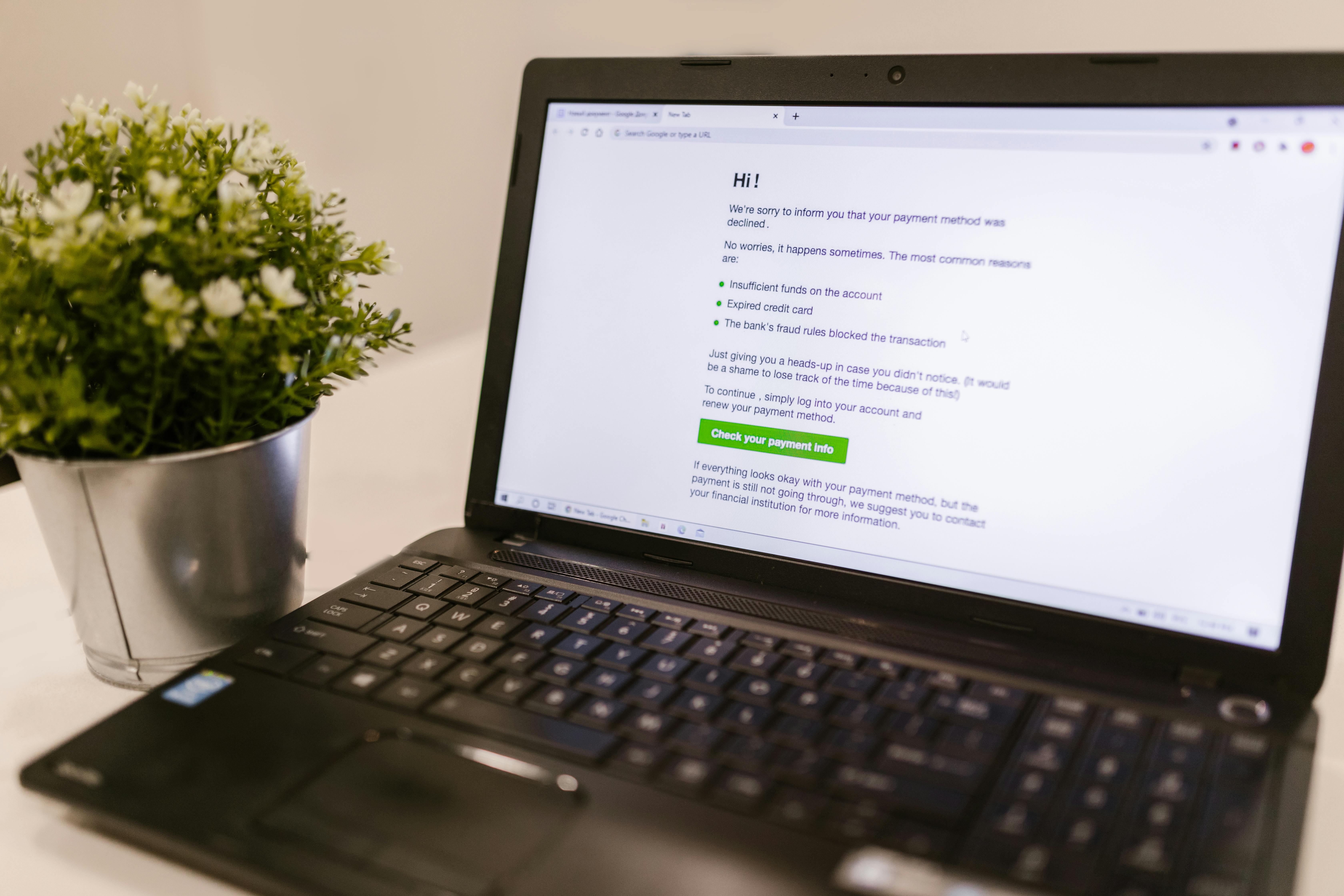
Web push notifications can be helpful when they deliver timely updates someone genuinely wants, but the opt-in moment is fragile. Web push notifications are browser alerts that a site can send after a user grants permission.
By the end of this guide, you will know when to request permission, what to write, how to set a reasonable frequency, and which metrics reveal whether your approach is earning trust.
Web push notification best practices are simple: ask for notification permission on a website only after the user has taken an intentional step, explain the exact update they will receive, and make it easy to turn off later. Do that, and you cut down on the main reason users block website notifications: surprise.
Most teams lose people at the first click. They trigger the browser dialog with no context, or they use vague copy that sounds like a trap. In many browsers, once a person blocks a site’s request, you cannot show that prompt again unless they change the permission in their browser settings.
Before you ever reach that point, treat the first action as onboarding. A microcopy checklist keeps you honest: clarity (what happens next), scope (what you will send), timing (when it will arrive), frequency (how often it can appear), and reversibility (how to stop it).
If you need a neutral test string for action-first wording, think about something short and specific, with a clear outcome for the user. As an example, you could have “try roulette at Thunderpick,” a phrase that is concise, but makes it instantly obvious what outcome the user can expect.
This kind of upfront, deliberate messaging can help users who want to connect to your platform, and ensures that people know what they might be signing up for, reducing uncertainty and increasing clicks.
Casinos like Thunderpick prioritize this sort of clean, snappy messaging because it helps them connect with their players, who are often busy and keen to move things forward.
The teams behind the messages think hard about how to maximize clarity without increasing wordiness. Just look at this social media post for a further illustration of this; it’s simple, to the point, and unquestionably clear.
Build a Permission Ladder
So, what’s next? In many cases, a permission ladder. This is a staged path to consent. You show a small in-page pre-prompt first, and you only trigger the browser dialog after a positive signal.
When building your ladder, keep it lightweight:
- Pre-prompt: one sentence value statement plus a clear choice
- Browser prompt: shown only after a click that implies interest
- Reinforcement: confirmation, plus info on how to change preferences
Timing and Copy Rules People Accept
The best time to show a notification permission prompt is event-based, not time-based. Avoid timers. Attach the pre-prompt to an intent signal, such as following a topic, bookmarking, or completing a step where something will change later.
Microcopy rules that prevent regret:
- Name the trigger: what causes updates to start
- Name the content: what the notification is about
- Name the limit: how often or under what conditions it fires
- Name the exit: where to turn it off inside the site
This matches the permission UX guidance from Matt Gaunt, which stresses asking when the value is obvious and avoiding unexpected prompts.
Use an Interruption Budget, Not Gut Feelings
It becomes easier to figure out how frequent push notifications should be when you treat attention as scarce. Often, you’ll be making a tradeoff of interruption vs. utility, and that means you should consider creating an explicit “interruption budget” per topic.
A practical starting point:
- Default to one truly time-sensitive stream only.
- Put everything else behind toggles or a digest option.
- Batch bursts so multiple events become a single message where possible.
- Offer quiet hours for local nighttime.
Measure Performance and Iterate Safely
You should also spend time measuring push notification performance so you know whether your approach is effective. Look at the following:
- Allow rate and block rate by trigger type
- Disable or mute rate in the first 7 days
- Opens or clicks by topic, not just overall
- Downstream signals, like reduced repeat visits after a burst
If opt-in is falling, fix the trigger before you rewrite your copy. If blocks rise after a frequency change, roll back the volume first.
FAQs
When should I ask for permission?
After a clear intent signal, like following a topic or completing a step where updates help later.
How many notifications per week is too many?
There is no universal number. If users mute quickly, your interruption budget is too high or your topics are too broad.
What should I do if opt-in is falling?
Check whether the prompt appears too early, then confirm your pre-prompt names the update, the limit, and the exit in a single sentence.
Permission Is a Trust Contract
When someone enables notifications, they are lending you a slice of their attention that competes with family, work, and every other app on their screen. If the first few alerts feel random or too frequent, users do not just ignore them; they actively protect themselves by muting or blocking.
The fix is not clever copy. It is trust calibration. Treat each notification as a promise that the next one will be similarly relevant.
Keep your topics narrow, use consistent language for the same event type, and avoid changing the volume without warning.
Over time, predictable signals create a mental model: alerts mean something, so they are worth keeping on. That model reduces friction, and it makes requests feel respectful, not intrusive.
