

In the agency world, production timelines used to revolve around shoots, edits, approvals, and endless revisions.
Now? AI has completely reshaped that timeline. What once took weeks can be turned around in days (or even hours) thanks to image-to-video tools that generate high-quality motion from a single still.
And with clients expecting faster delivery, more content variations, and formats for every platform under the sun, agencies are feeling the pressure more than ever.
That’s why image-to-video AI isn’t just a cool upgrade, but a genuine competitive advantage. This guide breaks down how to choose the right platform by focusing on what matters most for agencies.
Why Agencies Need Image-to-Video AI?
For agencies juggling dozens of clients and constantly shifting timelines, these tools unlock massive efficiency and creative freedom.
- Fast turnaround for ads, social content, and pitches: When a client wants “something by tomorrow morning,” AI-generated motion lets you deliver polished visuals without a full production cycle.
- Scalable content variations for A/B testing: Need ten different versions of the same ad? Generate variations in minutes instead of coordinating reshoots.
- Client-specific visual storytelling: From brand explainers to hero visuals, AI helps craft tailored assets that still feel high-end.
- Transforming static images into motion: Bring campaign stills, product shots, or moodboards to life, perfect for social teasers and in-feed videos.
- Better pitch materials and storyboards: Show clients the vision earlier with dynamic previews, animated mockups, or moving prototypes.
- Less dependency on shoots during early ideation: Save budget and time by generating motion-first concepts before committing to full production.
Key Features Agencies Should Look For
When you’re choosing an image-to-video AI platform for agency use, think beyond cool outputs. Focus on the features that keep your entire pipeline running smoothly.
- High-quality motion generation: Smooth camera moves, realistic physics, and natural transitions.
- Consistent style across scenes: Essential for brand continuity across multi-asset campaigns.
- Brand-safe, commercial-ready licensing: No messy copyright surprises during delivery.
- Multiple aspect ratios: 16:9 for YouTube, 9:16 for TikTok/Reels, 1:1 for feed ads. One render, all formats.
- Batch rendering & scalable workflows: Perfect for multi-version ad deliveries or editorial calendars.
- Team-friendly collaboration tools: Shared folders, comments, and version history keep projects organized.
- Integration with editing and cloud platforms: Smooth handoff to Premiere, Resolve, After Effects, or cloud DAMs.
- Custom model training: Create visuals aligned with a specific brand aesthetic or product line.
Top Image-to-Video AI Platforms for Agencies
Here’s a breakdown of the top image-to-video AI solutions built for speed, consistency, and creative control.
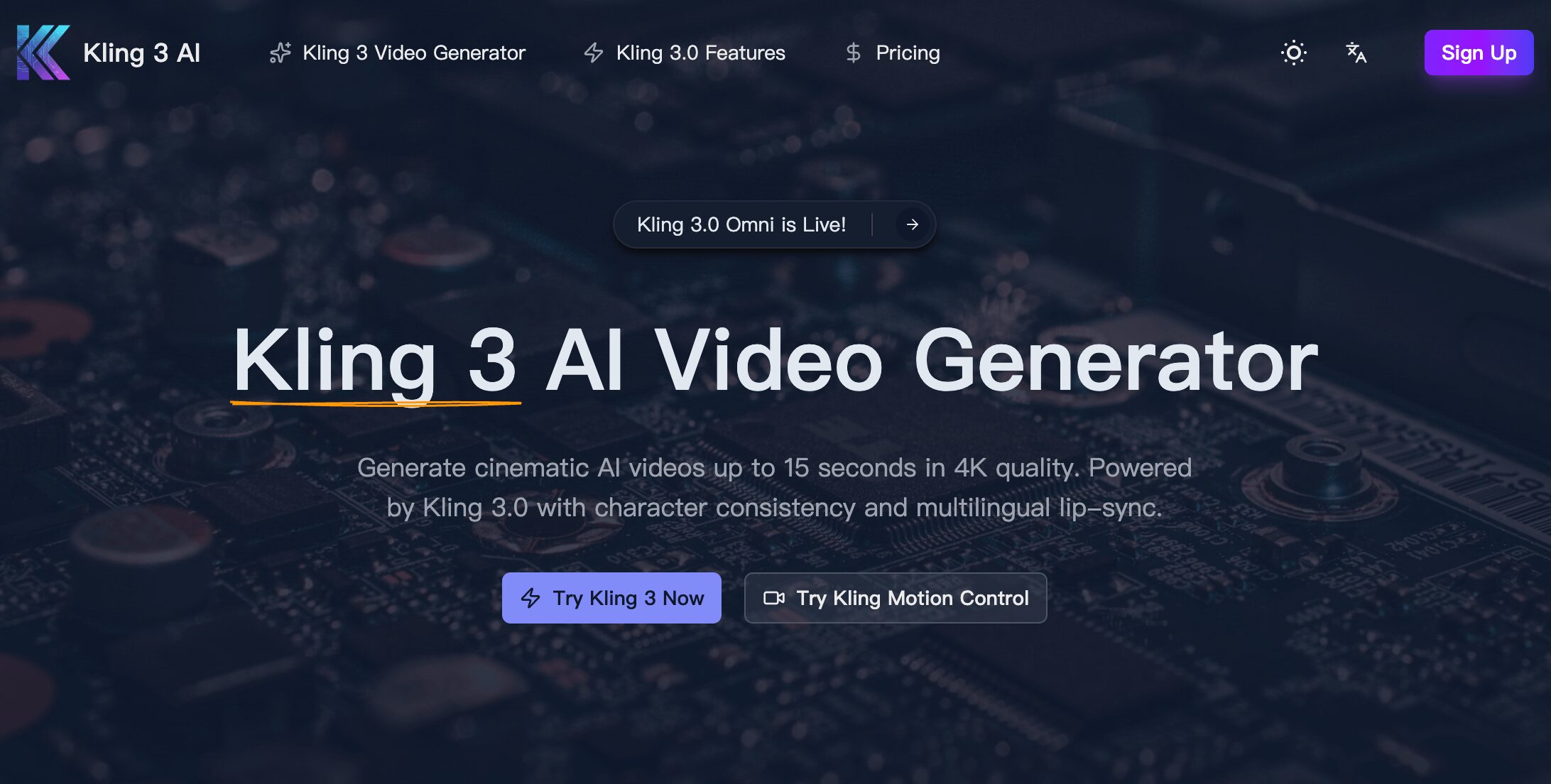
Kling 3.0
Kling 3.0 is built for agencies that need cinematic movement and ultra-clean production value. Its motion engine generates smooth, realistic physics from sweeping drone shots to subtle product rotations, making it ideal for high-end commercials or hero visuals.
Agencies love its strong multi-shot consistency, which means narrative sequences actually match from shot to shot.
For teams producing brand stories, campaign videos, or polished pitch assets, Kling delivers the kind of depth and coherence clients expect from traditional studios.
Grok Imagine
Grok Imagine from xAI focuses on speed, flexibility, and performance. Thus, it becomes perfect for fast-turnaround agency workflows.
It can produce multi-shot videos with native audio and supports multiple aspect ratios right out of the gate, making it great for social campaigns, multi-format ad sets, and rapid A/B testing.
If your team needs expressive results fast without sacrificing stylistic control, Grok Imagine is a strong contender.
Google Veo 3.1
Google’s Veo 3.1 pushes cinema-quality generation with smooth motion, crisp detail, and production-ready audio. It excels at immersive storytelling.
Think brand films, explainer sequences, or visually rich ads. For agencies working on premium campaigns, Veo’s reliability and realism make it a top-tier asset.
Nano Banana
Nano Banana Pro is Google’s high-end image generation model designed for precise, consistent visuals. It transforms simple prompts into sophisticated scenes, blends references seamlessly, and maintains perfect character or product consistency.
For agencies that need rock-solid visual accuracy across campaigns (thumbnails, stills, storyboards, or hybrid image/video workflows), Nano Banana Pro is a powerhouse.
Standalone Tools vs. Premium Creative Resource Platforms
Standalone AI tools are great when you need something highly specialized. For example, a model that nails hyper-realistic motion or one that’s built purely for stylistic experimentation. They’re powerful, often cutting-edge, and perfect for creative exploration.
But for agencies, they come with a few headaches: fragmented licensing, unclear commercial rights, separate billing for every tool, and output that doesn’t always align across platforms.
When you’re juggling tight deadlines and multiple client accounts, jumping between subscriptions (and licensing terms!) becomes a workflow bottleneck.
Premium resource platforms solve these pain points by putting everything under one roof with clarity, consistency, and commercial safety in mind.
You get unified licensing that covers all generated assets, so teams don’t have to double-check usage rights for every deliverable.
These platforms also bundle multiple AI tools in one subscription: image-to-video generation, image models, voice tools, motion presets, and more.
Beyond AI, agencies gain access to massive creative libraries (stock footage, music, templates, sound effects) which makes it easier to build entire campaigns or pitch decks without sourcing assets from multiple vendors.
For large teams, shared workspaces, universal rights, and predictable billing make a huge difference. No more subscription chaos, no more licensing confusion. Just a streamlined, agency-friendly production pipeline.
Key Takeaways
For agencies operating under nonstop pressure, image-to-video AI isn’t just a convenience anymore; it’s a competitive edge.
The right platform should scale with your workload, deliver consistently high-quality results, and keep licensing simple.
Whether you choose specialized standalone tools or an all-in-one creative platform, the goal is the same: faster production, stronger visuals, and the ability to impress clients with polished content at record speed.
