

In commercial electrical construction, information moves fast — and mistakes move even faster. When drawings, permits, RFIs, and inspection reports are scattered across emails, desktops, and file folders, the risk of costly errors increases dramatically.
Many contractors who modernize their workflows quickly realize the impact and choose to learn more about the software solutions that centralize documentation and prevent avoidable rework. A structured document management system is no longer optional — it is essential.

The Real Cost of Disorganized Documents
Scattered files create hidden expenses. When teams work from outdated drawings or cannot locate required documentation, delays and rework follow.
Imagine a retail development where updated wiring layouts were not distributed to every team member. Installation proceeds using old drawings, and the mistake is discovered during final inspection. The result? Expensive corrections and schedule overruns.
In another scenario, permit documentation stored across multiple platforms cannot be quickly retrieved for inspectors. A failed inspection causes project delays and damages client trust.
These problems are not technical failures — they are document control failures.
What Centralized Document Management Means?
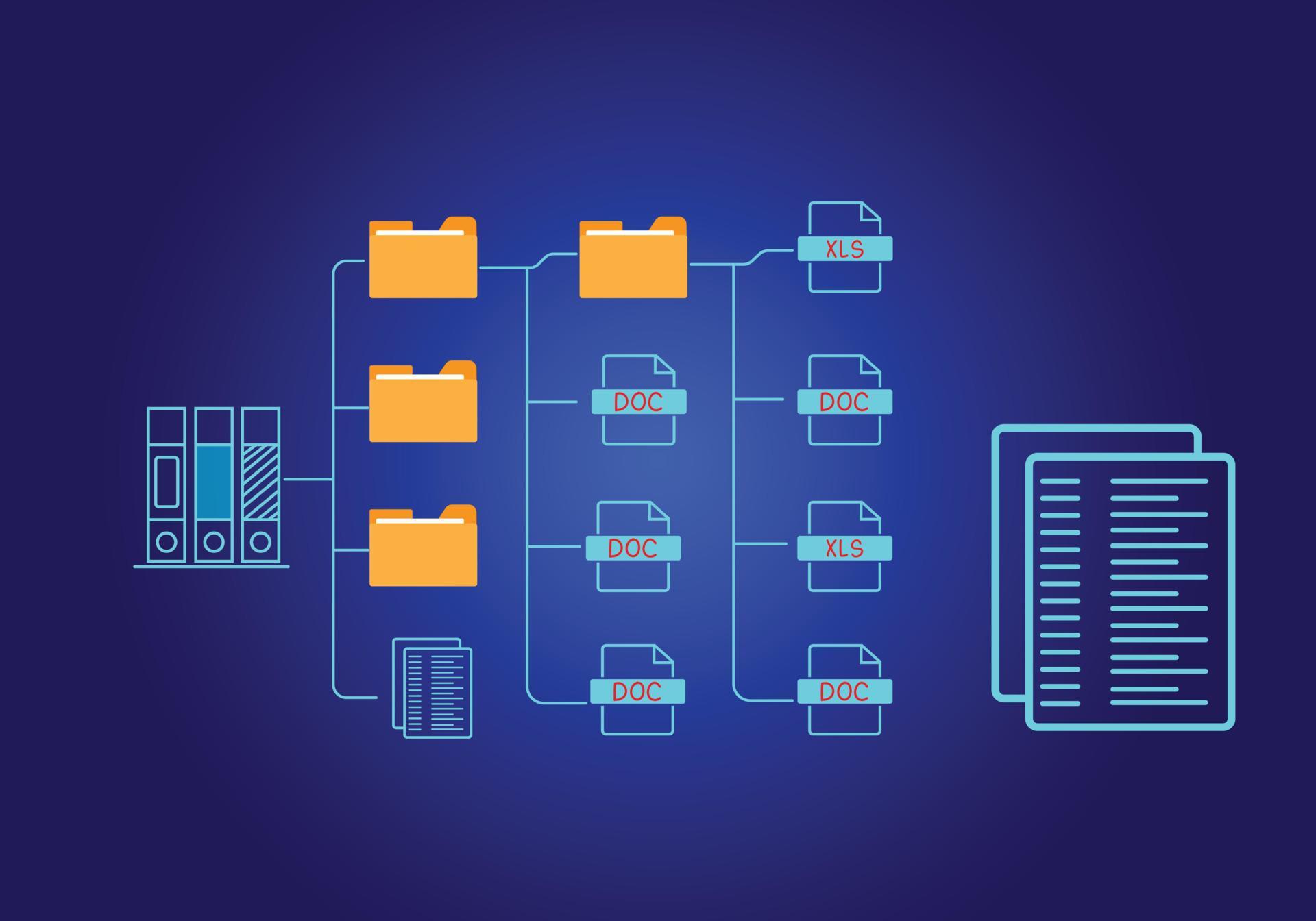
Centralized document management refers to storing and controlling all project files within a single, secure platform. Instead of relying on fragmented storage methods, contractors access one source of truth.
This approach ensures:
- All stakeholders work from the latest version
- Updates are visible immediately
- Access is controlled and traceable
- Files are organized systematically
It is important to distinguish basic file storage from true document management. Simple storage allows saving files.
Advanced document management adds version control, permissions, workflow automation, and audit trails — features critical for complex projects.
Key Benefits for Electrical Contractors
Faster Access and Fewer Delays
Searchable systems eliminate time wasted hunting for documents. Teams retrieve plans and reports instantly.
Reliable Version Control
Revision tracking ensures that outdated drawings are not used in the field. Automated notifications alert teams to changes.
Stronger Compliance
Audit trails, digital approvals, and structured record retention simplify inspections and regulatory reviews.
Improved Collaboration
Office staff and field crews can access the same documents simultaneously. RFIs, submittals, and as-builts move through clear workflows, reducing confusion.
Transforming Project Delivery
Centralized systems support every phase of a project — from bidding to closeout. During bidding, estimators reference accurate drawings.
During construction, teams track revisions in real time. At project completion, as-built documentation is complete and organized.
Workflows commonly supported include:
- Submittal tracking and approvals
- RFI management
- Drawing revision control
- Schedule updates
- As-built documentation
When document platforms integrate with estimating and takeoff systems, data flows seamlessly between cost planning and execution. This reduces manual entry and minimizes errors.
Essential Features to Look For
Effective construction document management software should include:
- Secure file storage with permission controls
- Advanced search and tagging capabilities
- Automated version tracking
- Mobile access for field teams
- Audit logs and e-signature support
- Integration with project management and estimating tools
These features protect data, streamline workflows, and maintain accountability.
Best Practices for Successful Adoption
To maximize value, contractors should:
- Establish clear naming conventions and document control procedures
- Assign responsibility for managing document workflows
- Train teams thoroughly on system usage
- Conduct regular audits and backups
- Maintain compliance awareness as standards evolve
Structured implementation ensures long-term effectiveness.
ROI and Competitive Advantage
The return on centralized document management is measurable. Teams spend less time searching for files, fewer errors occur in the field, and inspections proceed smoothly. Reduced rework directly improves profitability.
Beyond efficiency, organized documentation strengthens credibility. Clients and general contractors value partners who demonstrate reliable information control and transparent processes.
Conclusion
As commercial electrical projects grow in complexity, informal document habits create unnecessary risk. Centralized document management replaces chaos with clarity, improves collaboration, and protects project timelines.
Contractors who embrace structured digital systems position themselves for stronger performance, greater efficiency, and long-term competitive advantage.
