

Australia is a nation defined by its sporting prowess and a long-standing “punt” culture. From the roar of the crowd at the MCG to the local TAB on a Saturday afternoon, wagering is woven into the social fabric.
However, while traditional sports like AFL, NRL, and horse racing dominate the airwaves and the betting slips, esports remains a curious outlier.
Despite a massive population of passionate gamers and the global explosion of competitive gaming, the transition of esports from a digital hobby to a mainstream betting staple has been slower than many industry experts predicted.
The hurdles facing this sector are multifaceted, ranging from generational divides to complex regulatory landscapes.
Unlike a game of cricket that has stayed largely unchanged for a century, the rapid evolution of video games creates a unique set of challenges for both the casual observer and the professional bookmaker.
The Cultural Barrier and Generational Gap
One of the primary reasons esports betting struggles for mainstream visibility is the demographic disconnect.
Traditional sports wagering in Australia is often a cross-generational activity—a grandfather, father, and son might all follow the same footy team.
Esports, conversely, remains heavily concentrated among Gen Z and Millennials. For the older demographic that holds the majority of discretionary spending power in the wagering market, the concept of betting on someone else playing a video game can feel abstract.
While younger Australians are increasingly looking for diverse entertainment options, many still prefer the classic experience of visiting Syndicate Online Casino for a quick session of slots or table games over the deep technical knowledge required to bet on a match of Counter-Strike or Dota 2.
This preference stems from the inherent complexity of esports; to place an informed bet, one must understand game patches, character “meta” shifts, and intricate team strategies that change monthly.
Regulatory Hurdles and the Integrity Question
Australia’s regulatory environment is among the most stringent in the world, which is a double-edged sword for the esports industry.
While strict rules ensure consumer protection, they also make it difficult for esports to achieve the same “live” betting fluidity enjoyed by traditional sports.
The Interactive Gambling Act (IGA) places significant restrictions on in-play betting for online platforms. In the fast-paced world of esports, where a single “round” in a game might last only two minutes, the inability to place dynamic in-play wagers removes a massive part of the appeal for the digital-native audience.
Furthermore, concerns regarding match-fixing in smaller, less-regulated tournaments have made some Australian operators hesitant to offer a wide range of markets, fearing the reputational risks associated with “skin gambling” or integrity breaches.
Data Complexity vs. Traditional Simplicity
For a betting market to go mainstream, it needs to be accessible. Most Australians can understand the basic mechanics of a horse race or a rugby match within minutes. Esports, however, is not a single sport but a collection of dozens of different titles, each with its own rules, terminology, and data sets.
The following table highlights the friction points that currently prevent casual bettors from switching from traditional sports to digital arenas:
| Feature | Traditional Sports (AFL/NRL) | Esports (CS2/Dota/LoL) |
| Learning Curve | Low: Rules stay consistent for decades. | High: Frequent “patches” change game balance. |
| Market Availability | Massive: Covered by every local bookmaker. | Niche: Often limited to major international majors. |
| Viewing Habits | Passive: Ideal for pub environments. | Active: Requires high concentration to follow. |
| Integrity Perception | High: Regulated by century-old bodies. | Developing: Concerns over “skin betting” and lag. |
| Engagement Style | Seasonal: Fixed calendars and schedules. | Constant: Global events run 24/7 across time zones. |
The table above illustrates the friction points for new users. Until the barrier to entry is lowered through better broadcast integration and simplified data visualization, esports will likely remain a niche pursuit for the “hardcore” enthusiast rather than the casual weekend punter.
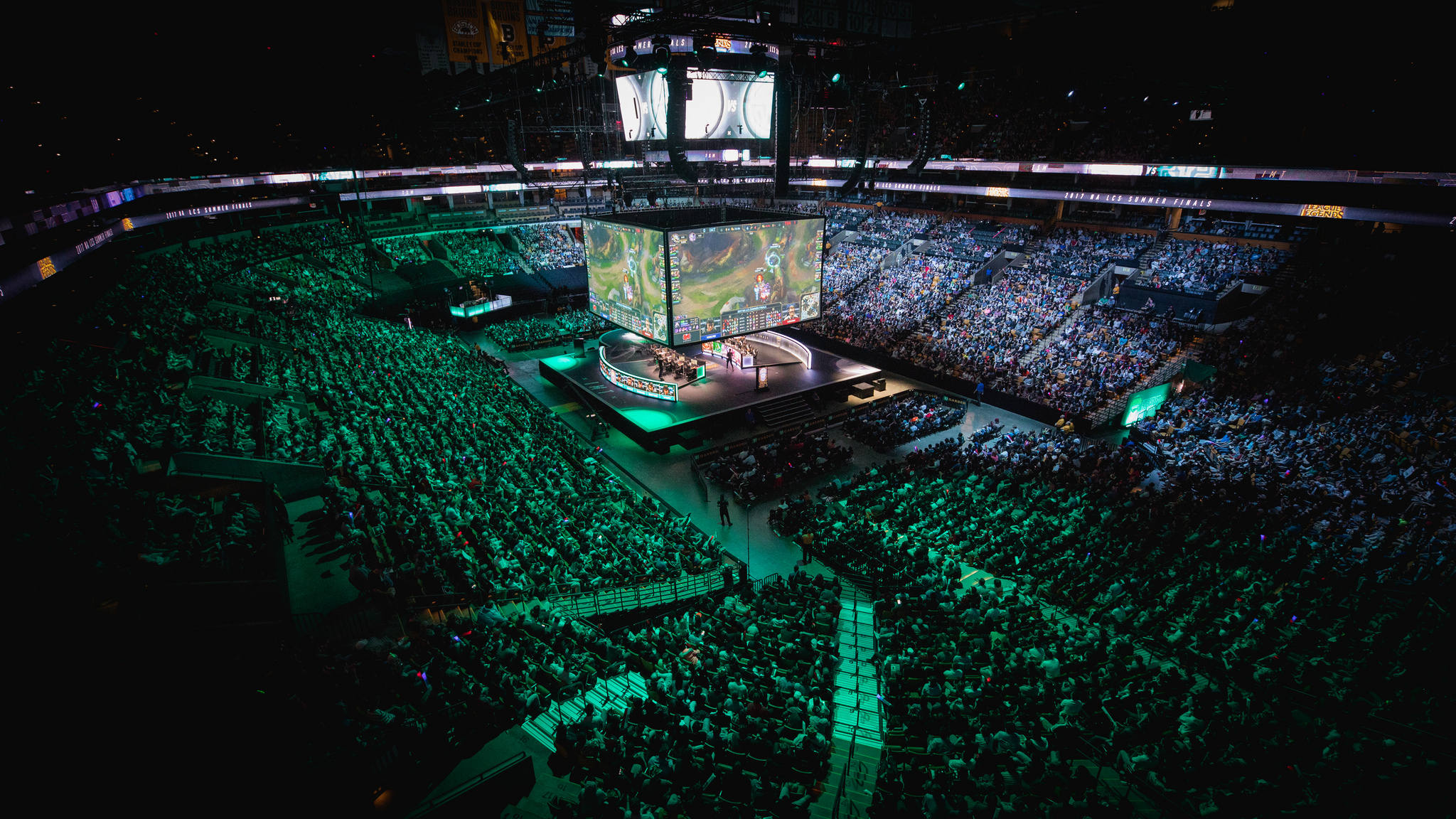
The Infrastructure and Sponsorship Deficit
Despite being a wealthy nation, Australia faces geographic isolation that impacts the growth of its domestic esports scene.
High “ping” (latency) when playing against international teams and the sheer cost of travel for local LAN events means the Australian pro scene often lacks the star power seen in Europe or North America.
Without a consistent stream of local heroes competing at the highest level, it is difficult for domestic betting agencies to build a narrative that captures the public’s imagination.
While major brands like Telstra and Intel have stepped into the sponsorship arena, the level of investment still pales in comparison to the billions poured into the AFL or the NRL. This lack of visibility means that for many Australians, esports simply isn’t “on the radar” when they open their betting apps.
The Path to the Mainstream
For esports betting to finally break through the glass ceiling in Australia, several shifts need to occur simultaneously. Improved education and more intuitive betting interfaces will be key to attracting the casual fan.
Furthermore, as the current “gaming generation” moves into higher income brackets, the natural demand for these markets will likely force a more flexible approach to regulation.
- Integration with traditional media: Moving esports highlights and betting odds onto mainstream sports programs.
- Localized tournaments: More high-stakes events held in Australian stadiums to build local fanbases.
- Standardized integrity: Collaborative efforts between game publishers and betting regulators to ensure fair play.
The transition is already underway, but it is a marathon rather than a sprint. As the digital and physical worlds continue to blur, the stigma surrounding competitive gaming is fading.
The Future of the Australian Digital Arena
The struggle for esports to go mainstream in Australia is not a sign of failure, but rather a reflection of a maturing market finding its identity. The passion for gaming is undeniable, and the technical infrastructure is improving every year.
As operators learn to better market these events to a broader audience and regulators find a balance between safety and innovation, the gap between the stadium and the server will continue to close.
