

Fifteen years ago, setting up an e-wallet was practically a requirement for anyone wanting to spend money safely on the internet. Back then, typing your credit card number directly into an unfamiliar website felt like a massive risk.
E-wallets stepped in to serve as a vital protective shield, acting as an intermediary that held your financial details securely while facilitating transactions. For a long time, they were the undisputed kings of online payments.
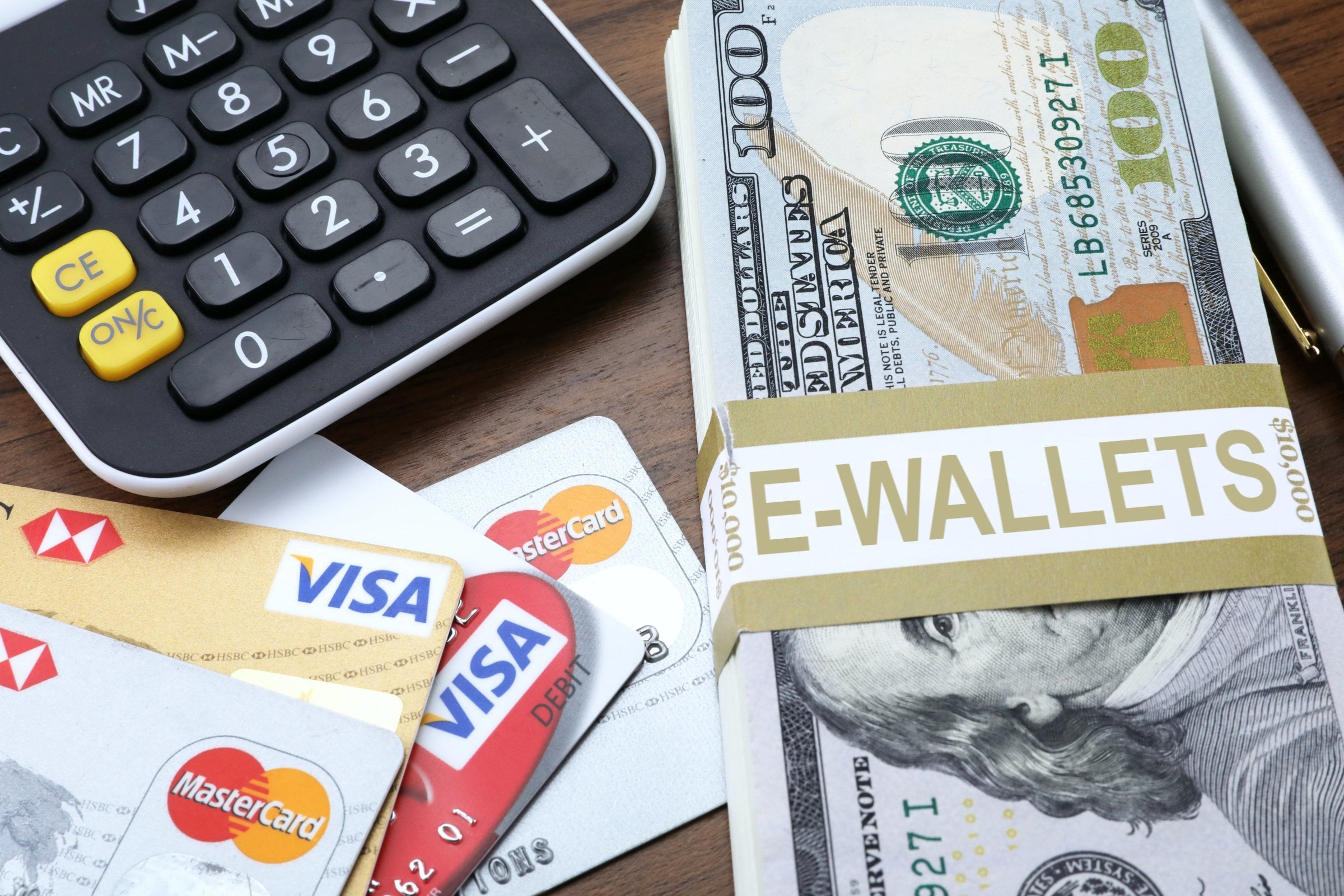
Today, that situation has drastically changed. Thanks to massive upgrades in global banking infrastructure and the rise of open banking regulations, financial institutions have finally caught up. Consumers no longer need a middleman to protect their money or speed up their checkout process.
Instead, instant bank transfers are rapidly becoming the preferred method for online transactions, quietly pushing traditional e-wallets to the sidelines.
The Heavy Friction of the Financial Middleman
The biggest weakness of an e-wallet is its very nature: it is an extra step. Every time you insert a third-party service between your bank account and your final destination, you introduce friction.
While e-wallets originally smoothed out the clunky checkout processes of the early web, they now feel like a cumbersome detour compared to modern payment technology.
When you break down the actual user experience of managing an e-wallet, the inconveniences quickly start to pile up:
- The funding bottleneck: You cannot spend money from an e-wallet until you move money into it. This often requires initiating a transfer from your primary bank and waiting for the funds to clear. If your e-wallet runs low on funds during a weekend, you might be stuck waiting until the next business day to reload it.
- The verification maze: Setting up a new e-wallet requires submitting identity documents, linking bank accounts, and waiting for micro-deposits to verify your ownership. It is a tedious onboarding process that takes days to fully complete before you can make a single purchase.
- Trapped balances: When you receive a refund or get paid through an e-wallet, that money sits in a closed ecosystem. To actually use those funds to pay your rent or buy groceries locally, you have to initiate a withdrawal back to your main bank account, triggering another frustrating waiting period.
Instant bank transfers eliminate all of this friction. They connect directly to your existing checking or savings account, meaning there is nothing to pre-fund, nothing to verify twice, and no trapped balances to worry about.
How Instant Banking Transformed the Speed of Play?
To truly understand why consumers are making the switch, you only need to look at industries where transaction speed is the ultimate priority.
The online casino sector is a perfect example of this shift. Players expect their money to move immediately, and they have little patience for logging into a separate service just to move funds around.
When a player decides to enjoy a few hands of cards or spin the roulette wheel, they want immediate access to their bankroll.
Integrating open banking technologies allows operators to offer unparalleled speed through several key advantages:
- Immediate deposit authorization: For example, when a player sets up an account to enjoy the casino games at Runa Online Casino, the cashier system prioritizes direct banking connections so deposits clear in seconds.
- Bypassing third-party funding: Users no longer have to wait to move money into an intermediary account before placing a wager or making a purchase.
- Real-time payouts: Unlike the old days, where withdrawals to an e-wallet meant waiting additional days to transfer that money to an actual bank, instant bank transfers route payouts directly back to the source.
This immediate liquidity is something traditional e-wallets simply cannot match.
Security That Travels Directly With Your Money
The primary reason people flocked to e-wallets in the first place was security. Consumers wanted a firewall between their bank accounts and the merchants they were buying from. However, instant bank transfers have effectively adopted and improved upon this exact security model.
When you use an instant bank transfer, you never actually hand your account number or routing information to the merchant. Instead, the checkout page redirects you to your bank’s secure login screen.
You authenticate the transaction using your bank’s own security measures, and the bank sends the money securely on your behalf.
- Bank-level encryption: Your transaction is protected by the same security protocols that safeguard your entire life’s savings, which are generally far more robust than a standalone e-wallet’s security.
- Zero credential sharing: Because you authenticate directly with your bank, the website you are purchasing from never sees your financial data. There is nothing for hackers to steal from the merchant’s database.
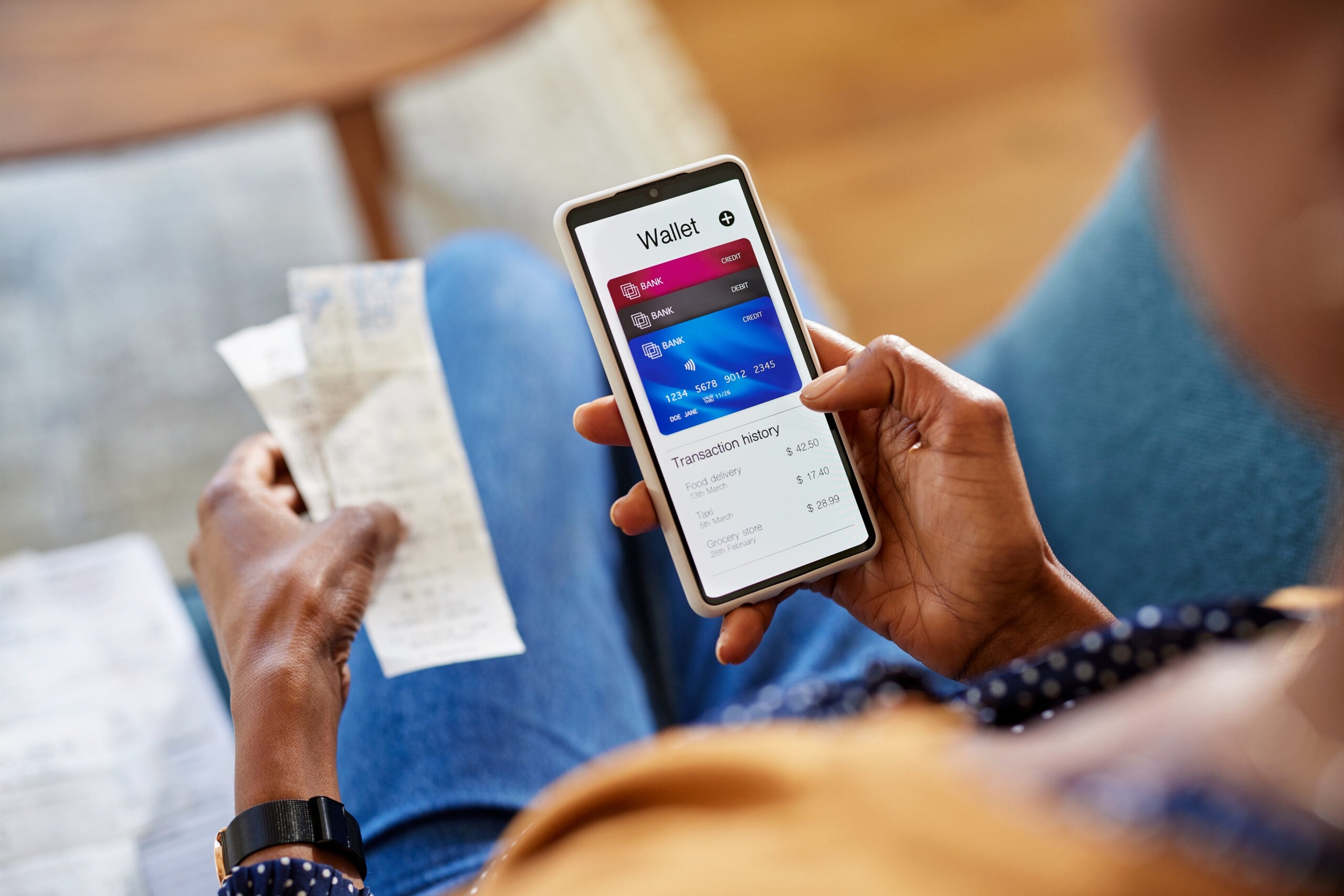
- No password fatigue: You do not have to remember a separate, complex password for an e-wallet account. You simply use the banking app you already access every day, utilizing your phone’s native Face ID or fingerprint scanner.
Keeping More of Your Own Money
Finally, the decline of e-wallets comes down to simple economics. E-wallets are businesses, and they make their money by taking a small slice of your transactions. While they often advertise free accounts, the reality is usually buried in the fine print.
E-wallet users frequently encounter a barrage of hidden costs:
- Funding fees: Percentage-based charges applied simply for loading the wallet using a standard debit card.
- Currency markups: Hefty exchange rate margins applied when transacting across borders.
- Withdrawal penalties: Flat fees slapped onto your money when you try to move your own balance back to your checking account.
These micro-transactions slowly bleed your bankroll dry over time. Instant bank transfers are vastly cheaper to process.
Because they operate on direct bank-to-bank communication, they bypass the traditional credit card networks and e-wallet processing fees entirely.
Most merchants absorb the tiny backend cost of the transfer, meaning the service is completely free for the consumer. You deposit fifty dollars, and exactly fifty dollars leaves your bank account.
The New Standard for Online Checkout
The era of using a separate app to hold your money just so you can spend it elsewhere is coming to a close.
E-wallets will likely survive by pivoting to serve niche markets, such as unbanked individuals or peer-to-peer micro-transactions across borders.
However, for the vast majority of consumers, the future of online transactions is direct, immediate, and invisible.
As banking technology continues to streamline the connection between our checking accounts and our favorite websites, the traditional e-wallet is simply losing its core reason to exist.