

The cryptocurrency market has evolved far beyond simple peer-to-peer transactions. Today, it consists of diverse asset classes designed to solve specific financial challenges. Among the most important are stablecoins and privacy-oriented coins.
These two categories serve distinct yet complementary roles, addressing volatility and transparency concerns that have shaped the broader adoption of digital assets.

Stablecoins are created to keep their value steady, usually by being tied to fiat currencies such as the US dollar. This stability makes them a practical tool for everyday transactions, trading, and value storage.
Users often need flexibility between blockchain networks, which is why actions like convert USDT TRC20 to ERC20 have become increasingly common.
This capability allows traders and businesses to optimize fees, speed, and compatibility depending on their operational needs.
The role of stablecoins in crypto
Stablecoins serve as a connection point between the traditional financial system and the cryptocurrency ecosystem.
Unlike volatile cryptocurrencies such as Bitcoin or Ethereum, stablecoins provide price predictability, making them ideal for trading pairs, remittances, and decentralized finance (DeFi) applications.
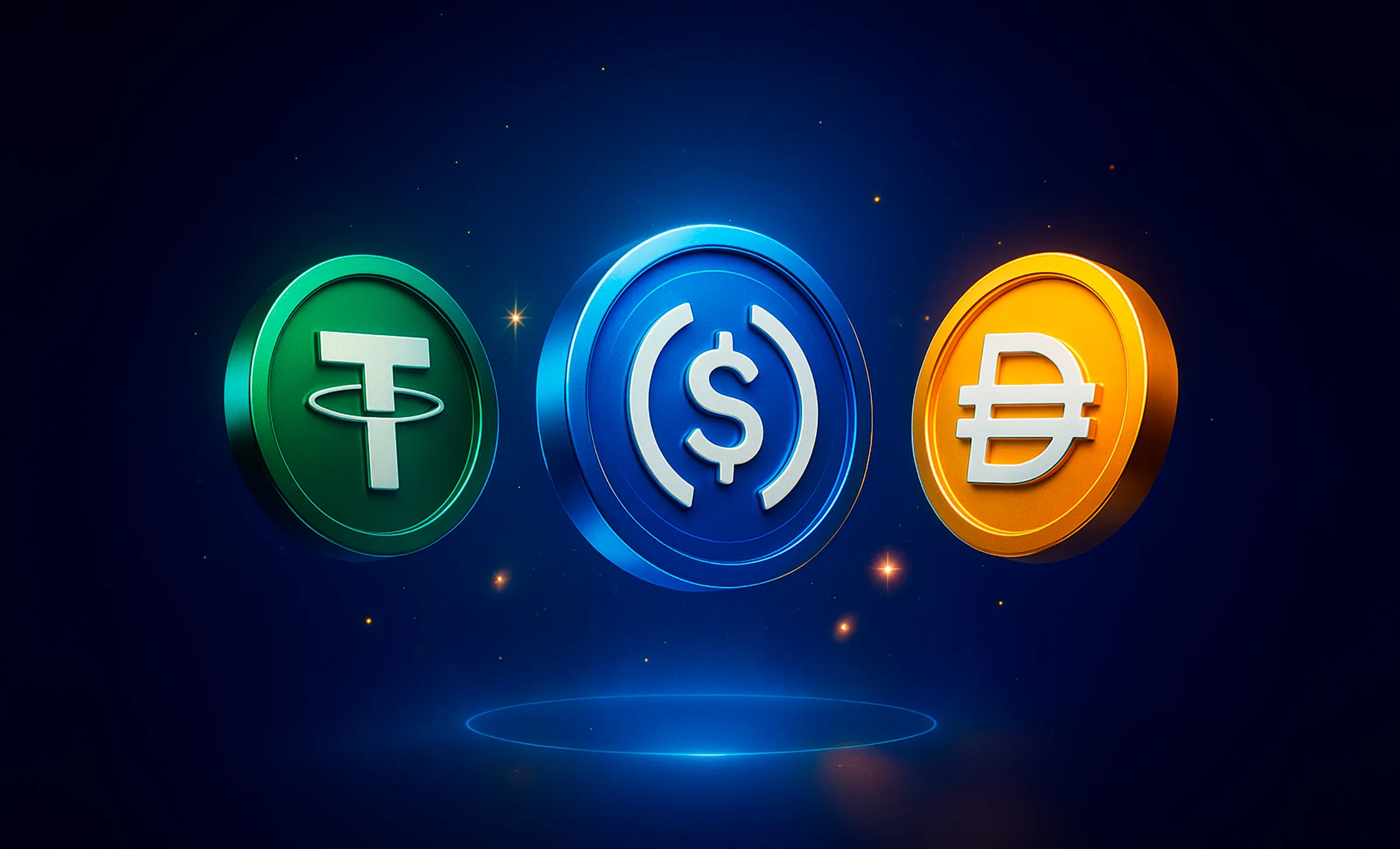
The most widely used stablecoin is Tether (USDT). Its dominance stems from its extensive availability across multiple blockchains and its deep liquidity on exchanges worldwide.
USDT is frequently used as a base currency in trading, allowing users to enter and exit positions without converting back to fiat.
It also plays a critical role in arbitrage strategies and cross-border payments, especially in regions with limited access to stable banking systems.
Stablecoins are particularly valuable for traders, businesses, freelancers, and users in emerging markets. Traders rely on them to hedge against market volatility, while businesses use them for fast and cost-efficient international transactions.
Freelancers and remote workers often prefer stablecoins for receiving payments without the delays and fees associated with traditional banking.
The role of privacy-oriented coins
While stablecoins address volatility, privacy-oriented coins focus on confidentiality. Most blockchains are transparent by design, meaning transaction details are publicly accessible.
Privacy coins solve this issue by using advanced cryptographic techniques to obscure transaction data, including sender, receiver, and amount.
Monero (XMR) is currently the leading privacy-focused cryptocurrency in terms of usage and adoption. It leverages technologies such as ring signatures, stealth addresses, and confidential transactions to ensure complete anonymity. This makes Monero particularly appealing for users who prioritize financial privacy and security.
Privacy coins are used by individuals who require discretion in their financial activities. This includes activists, journalists, and users in regions with strict financial surveillance.
They are also valued by everyday users who simply want to maintain control over their financial data, similar to how cash transactions work in the physical world.
Use cases and user profiles
Stablecoins and privacy coins cater to different segments of the crypto market. Stablecoins are essential for liquidity and accessibility.
They are widely used in trading, lending, staking, and payments. Their predictable value makes them a foundational component of decentralized finance and centralized exchanges alike.
Privacy coins, on the other hand, are more specialized. They are not typically used as trading bases but instead serve as tools for secure and anonymous transactions.
Users who prioritize confidentiality often combine privacy coins with other assets to balance transparency and discretion.
For example, some users may choose to exchangee XMR to BTC when transitioning from private transactions to more liquid markets.
Complementary roles in a growing ecosystem
As the crypto landscape continues to mature, both stablecoins and privacy-oriented coins will remain essential.
Stablecoins provide stability and usability, enabling broader adoption and integration with traditional finance.
Privacy coins ensure that users retain control over their financial data in an increasingly transparent digital world.
Together, they represent two sides of the same coin: one focused on accessibility and efficiency, the other on privacy and autonomy.
Understanding their roles helps users navigate the crypto ecosystem more effectively and choose the tools that best align with their financial goals.
