

Artificial intelligence companies have attracted substantial private capital as demand for advanced models, enterprise applications, and AI infrastructure continues to expand.
Anthropic has emerged as one of the closely watched companies in this market, supported by significant fundraising and growing adoption of its Claude products across business environments.
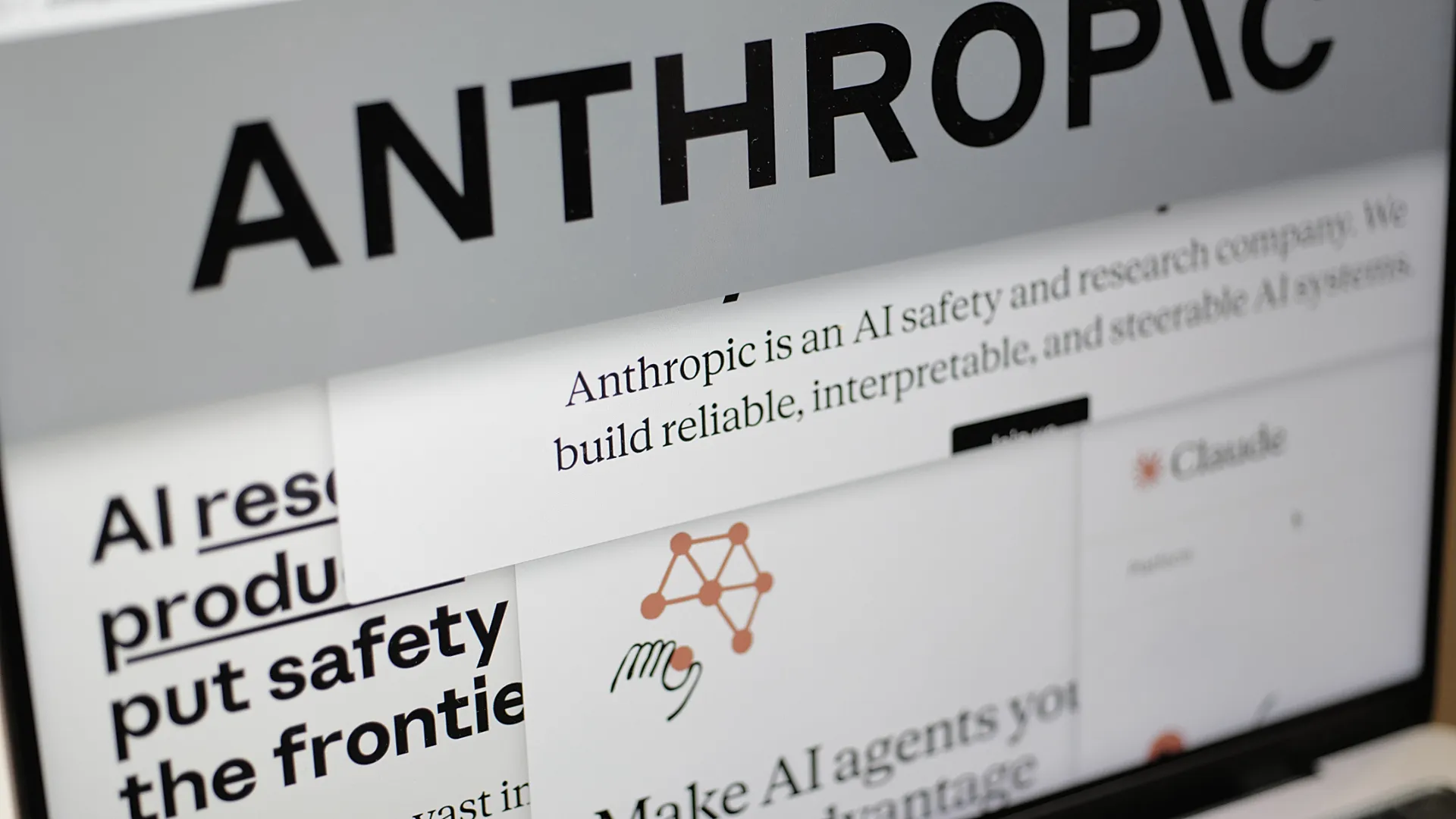
Attention is now shifting toward what public ownership could mean for the company and prospective shareholders.
With Anthropic IPO discussions drawing market interest, investors are examining the company’s valuation, revenue trajectory, competitive position, and capital requirements while waiting for further information about the structure and terms of a potential offering.
Anthropic’s Position in the Artificial Intelligence Market
Founded in 2021, Anthropic develops the Claude family of artificial intelligence models and related products.
The company operates as a public benefit corporation and has built its business around advanced AI systems, with enterprise adoption becoming an important component of its commercial expansion.
Its growth has been supported by substantial private investment. In May 2026, Anthropic announced a $65 billion Series H funding round at a $965 billion post-money valuation.
According to the company, its run-rate revenue had crossed $47 billion earlier that month, highlighting the scale it had reached before a possible move into public markets.
Key developments shaping investor attention include:
- A $65 billion Series H financing round announced in May 2026
- A reported post-money valuation of $965 billion following that round
- Run-rate revenue exceeding $47 billion, according to Anthropic
- Continued adoption of Claude among global enterprise customers
- Investment directed toward research, computing capacity, and product expansion
Why a Potential Public Listing Matters to Investors?
A public debut by a major AI developer could give stock market participants direct exposure to a company operating within the rapidly evolving generative AI sector.
Until shares officially begin public trading, however, prospective investors cannot evaluate the company in the same manner as an established publicly listed corporation with a regular history of market disclosures.
The scale of Anthropic’s latest private valuation also raises important questions about pricing. A large private-market valuation does not automatically determine the value public investors will assign to a company.
Financial performance, market conditions, offering terms, investor demand, and expectations for sustained growth can all influence the eventual pricing process.

Private Valuation Versus Public Market Pricing
Private financing rounds involve a different valuation environment from public stock exchanges. Once a company lists, its shares are continuously priced through market activity.
Investors may therefore compare any proposed offering valuation with revenue, profitability expectations, capital requirements, and valuations assigned to other technology businesses.
Revenue Growth and Commercial Adoption
Anthropic has highlighted expanding adoption across global enterprises as a driver of its business. Commercial demand for products such as Claude and Claude Code can be an important area for investors to examine because sustained revenue expansion depends on customer retention, product usefulness, pricing, and competition within the AI market.
Computing Costs and Infrastructure Requirements
Developing and operating frontier AI systems requires considerable computing infrastructure. Anthropic stated that proceeds from its latest private funding would help expand compute capacity alongside safety research, interpretability work, products, and partnerships.
Investors evaluating the company may therefore pay close attention to capital expenditure requirements and the economics of scaling AI services.
Competition Across the AI Industry
The artificial intelligence market includes well-funded model developers and major technology companies investing heavily in AI products and infrastructure.
Competitive analysis may involve model capabilities, enterprise adoption, developer ecosystems, distribution partnerships, pricing, and access to computing resources. These factors could influence the company’s ability to maintain commercial momentum.
What Investors Should Examine Before the Offering?
Any public offering requires more analysis than tracking an expected debut date. Once official offering documents and financial disclosures become available, investors can examine the company’s revenue composition, operating expenses, cash requirements, risk factors, governance structure, and intended use of proceeds.
Prospective shareholders may also evaluate whether the company’s proposed valuation aligns with its financial profile and expected expansion.
Rather than viewing AI industry momentum as a substitute for fundamental research, investors can use disclosed information to assess the opportunities and uncertainties attached to the business.
Areas that may deserve particular attention include:
- Revenue growth and the composition of enterprise demand
- Operating expenses associated with model development and computing
- Competitive risks within the generative AI sector
- Dependence on infrastructure providers and strategic partnerships
- Governance arrangements and shareholder rights after listing
Understanding the Expected Listing Timeline
TradingView’s Anthropic listing page currently shows an offering date of October 23, 2026, with Nasdaq identified as the exchange.
Investors following the expected debut should remember that offering schedules can be revised as companies move through regulatory, underwriting, and market processes.
Until a listing is completed, dates and transaction details should be monitored for updates. Market volatility, regulatory developments, investor demand, and decisions by the issuer can affect timing.
Investors should therefore distinguish between an indicated calendar date and the completion of an actual public offering.
Market Conditions Before the Debut
Technology valuations can respond quickly to changes in interest rates, economic expectations, and investor sentiment.
A favorable equity environment may support demand for a major technology listing, while heightened volatility could influence pricing or timing. Broader market conditions will remain relevant as the anticipated date approaches.
Offering Terms and Share Availability
The eventual number of shares offered, price range, total proceeds, and ownership structure can influence how investors assess a new listing.
These details provide context about the amount of equity entering public markets and the valuation implied by the transaction. Official disclosures remain essential for evaluating the final structure.
Final Thoughts
Could one of the most closely watched AI companies soon become a major focus for public-market investors?
The expected Anthropic IPO has attracted attention because of the company’s substantial private valuation, expanding revenue base, and prominent position within the artificial intelligence sector, but prospective investors still need to assess official offering information as details develop.
For investors tracking the expected listing, financial market analysis and charting platform provides a dedicated Anthropic IPO page displaying available information such as the offering date and exchange.
Its broader market platform also offers charting and research tools for analyzing publicly traded securities, helping users follow market conditions surrounding major listings while independently reviewing financial disclosures, valuation considerations, and investment risks.
