

We’ve finally reached a point where staying connected and going online while traveling doesn’t feel all that different from using the internet at home.
The surface-level experience might be similar, but the behind-the-scenes conditions open you up to different risks.
Here are the main dangers digitally-minded travelers face, and why each is problematic. Most importantly, we also include practical tips for dealing with them all.
Public Wi-Fi
The Wi-Fi at airports, restaurants, and other places tourists frequent is free but poorly secured. This lets attackers use several strategies:
- Data interception – Attackers may intercept any unencrypted data you exchange. While most websites and services have caught on, the danger still exists.
- Man-in-the-middle attacks – Attackers place themselves between you and target websites, reading exchanged information or redirecting you to malicious alternatives.
- Fake hotspots – These imitate legitimate public Wi-Fi but are under attackers’ control, which makes them more dangerous. Attackers may use them to set up captive portals for credential extraction or to infect your devices with malware.
The safest way to engage with public Wi-Fi is to activate a VPN first. This will encrypt the entire connection, preventing monitoring, tampering, and data interception. Even then, you’ll want to make sure to only visit trusted sites and not log into sensitive accounts.
Tracking
Traveling naturally exposes you to networks and services in various locations. Left unchecked, this lets both advertisers and crooks infer a lot about you. The former might change their offers or prices based on your searches and spending habits.
The latter might consider you a likely target for travel-related scams or even burglarize your home if they know you’re abroad. Tracking happens via various means:
- Location tracking that logs physical movements
- Ad trackers that tie browsing habits to one’s real-world identity
- Device fingerprinting that uses unique identifiers like the make and model of your phone, browser version, etc., to create a unique identifier
Ad and tracker blockers prevent most tracking attempts. Meanwhile, VPNs can mask your IP address so it appears that you’re in your home country even when you’re not, while offers such as Surfshark youtuber codes can help you access VPN services at a lower cost.
Unsecured Apps
Travel prep causes many people to download and use apps they wouldn’t otherwise. These can become another attack vector if they:
- Use weak encryption, which lets attackers more easily acquire sensitive personal and financial data;
- Ask for excessive permissions that expose contacts, albums, or documents;
- Rarely or never receive updates, which steadily increases exploit risk.
Vet the apps you use and only download highly-rated ones from trusted sources. Be suspicious about excessive permissions and avoid apps that haven’t received updates in a while.
Data Leaks
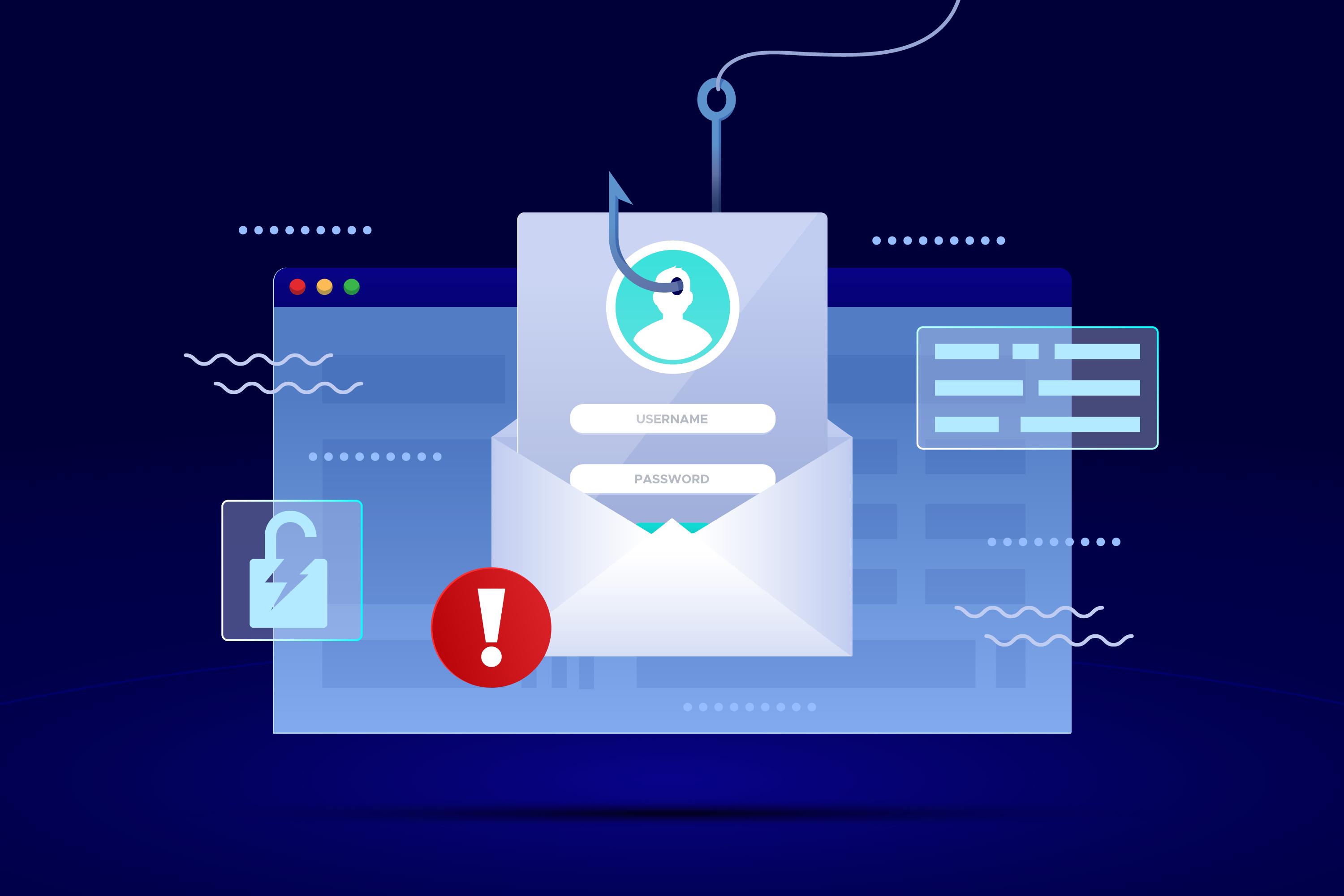
Even if you’re diligent about cybersecurity, sensitive data about you may still leak or put you at risk as a result of travel-related activities. Core threats include:
- Data breaches – Airlines, booking sites, review aggregators, etc., collect lots of diverse personal and payment data. This makes them frequent cyberattack targets. If successful, breaches can expose the data of thousands of users.
- Phishing scams – Attackers may use breached data to give validity to phishing scams. For example, they may acquire your email, pose as an airline, and trick you into giving up your credentials or financial information.
- Third-party leaks – Travel services often share your data with their partners. Their cyber defenses might not be as advanced, so the risk of exposure is greater.
Mitigation requires a two-sided approach. It’s best to limit the amount and variety of information shared when signing up for travel-related accounts.
Be sure to also secure each with unique passwords and two-factor authentication. This gives attackers less information to go on and will prevent them from accessing compromised accounts.
