
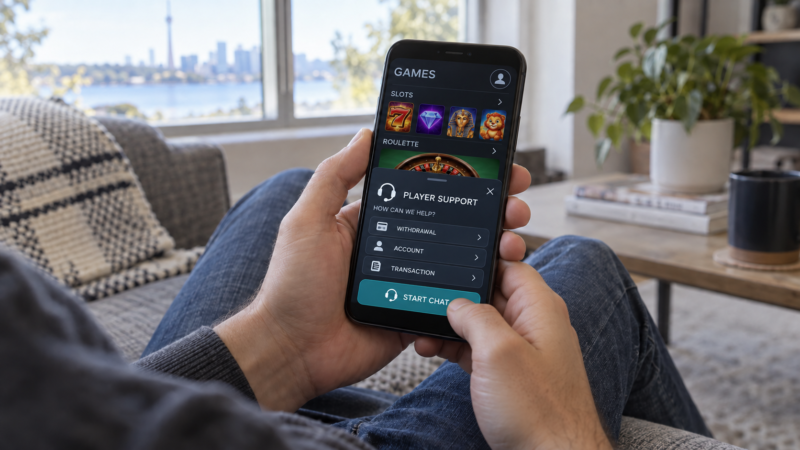

A delayed withdrawal or closed account can feel harder to challenge when the casino operates outside Canada. The route still exists, but the map changes.
Players usually move from the operator to the authority named on its licence, then to an independent dispute service if that framework provides one.
Why the Process Works Differently?
A locally regulated site may offer a provincial complaints channel. Before opening an international account, a player can use the current list of international casinos for Canadians to identify claimed licensing details, then confirm the company, website, and licence status in the authority’s own register. A footer logo offers a clue, not proof. That small check can prevent a misdirected complaint later.
The licence determines the available route. Some authorities accept complaints after the operator reviews them, while other systems direct certain transaction disputes to an independent alternative dispute resolution service, commonly called ADR.
A Canadian provincial regulator may have no role in that process. Geography changes the address on the envelope.
Start With the Operator
Support chat may solve a missing document, but a dispute needs a clear label. The player should write “formal complaint” in the subject line, state the requested outcome, and ask for a case number. The reviewer needs a sequence of events, not a transcript of someone’s worst Tuesday.
A practical order keeps the complaint from splitting across several inboxes:
- Use the channel named in the operator’s complaints policy and save the acknowledgement.
- State the disputed action, amount, dates, and account identifier in one message.
- Ask which licence covers the site and which regulator or ADR service handles unresolved cases.
- Wait for the final response or internal deadline before escalating, unless the regulator says otherwise.
Running the case through several channels at once can cause trouble. The Kahnawake Gaming Commission says another jurisdiction’s active review may jeopardize its ability to assist. One route at a time keeps the record readable.
Build a File That Another Reviewer Can Read
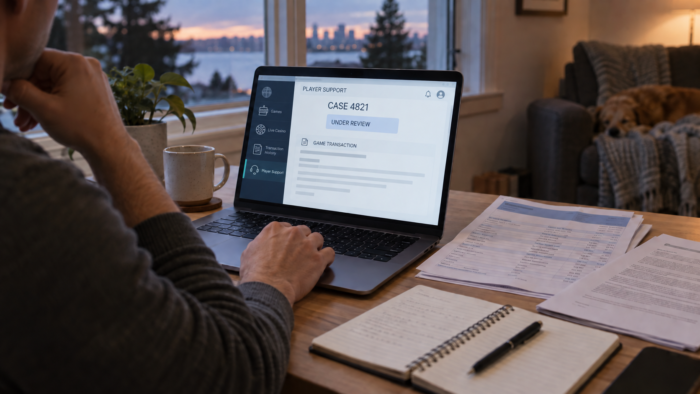
Picture the next reviewer opening the complaint with no account access. That person needs documents, not conclusions. Complete statements and exported messages explain more than cropped screenshots with missing dates.
The file should contain the following material:
- A transaction log with dates, amounts, currencies, and payment references.
- Full support correspondence, including case numbers and the final answer.
- The applicable terms, plus relevant promotion or withdrawal rules.
- Identity check receipts and document upload confirmations.
- A short chronology separating confirmed events from unanswered questions.
Players should redact unrelated bank details while keeping enough information to connect each record to the transaction.
They should preserve original emails and statements too. A renamed screenshot travels easily, but its context often gets lost.
Choose the Correct Outside Channel
If the operator does not resolve the matter, the player should read the licence authority’s current instructions.
Malta’s authority runs a formal channel for complaints against its licensees and recommends contacting the operator first. Kahnawake requires that first step.
ADR follows a different model. An independent service examines material from both sides and checks whether the issue falls within its scope.
Under the British framework, a customer may approach the named provider after eight weeks without resolution, or earlier after a final deadlock response. That deadline is not universal.
The escalation package can follow three steps:
- Verify that the reviewer covers the exact company and website.
- Check its scope, since some services exclude customer service concerns.
- Submit the chronology, evidence, final response, and requested remedy.
Expect a Process, Not an Instant Verdict
A document gap may clear in days. A disputed term, payment trail, or identity review can take weeks. Players should check the published timetable, answer requests promptly, and keep every update under the original case number.
Kahnawake reported 1,143 incoming matters for 2025, but only 756 met its complaint criteria. By year end, it had resolved 746 validated cases, with 150 upheld in whole or in part. Screening removed roughly one third before a merits review. Check jurisdiction and evidence before pressing send.
During the wait, a player can track a few practical markers:
- The operator supplied a complaint reference.
- A final response identifies the next channel.
- The outside reviewer confirmed acceptance.
- Evidence requests received complete replies before their deadlines.
Silence does not always mean refusal. Messages land in spam folders, forms fail, and reviewers pause files while waiting for evidence. Still, the player should follow up through the official channel after a published response window passes.
The Practical Takeaway
An international casino dispute can reach formal review, though the route may look unfamiliar. The operator comes first, followed by the authority or ADR service covering the licence and issue.
A verified licence, one orderly timeline, and complete records give the complaint its best chance of proper assessment.
