
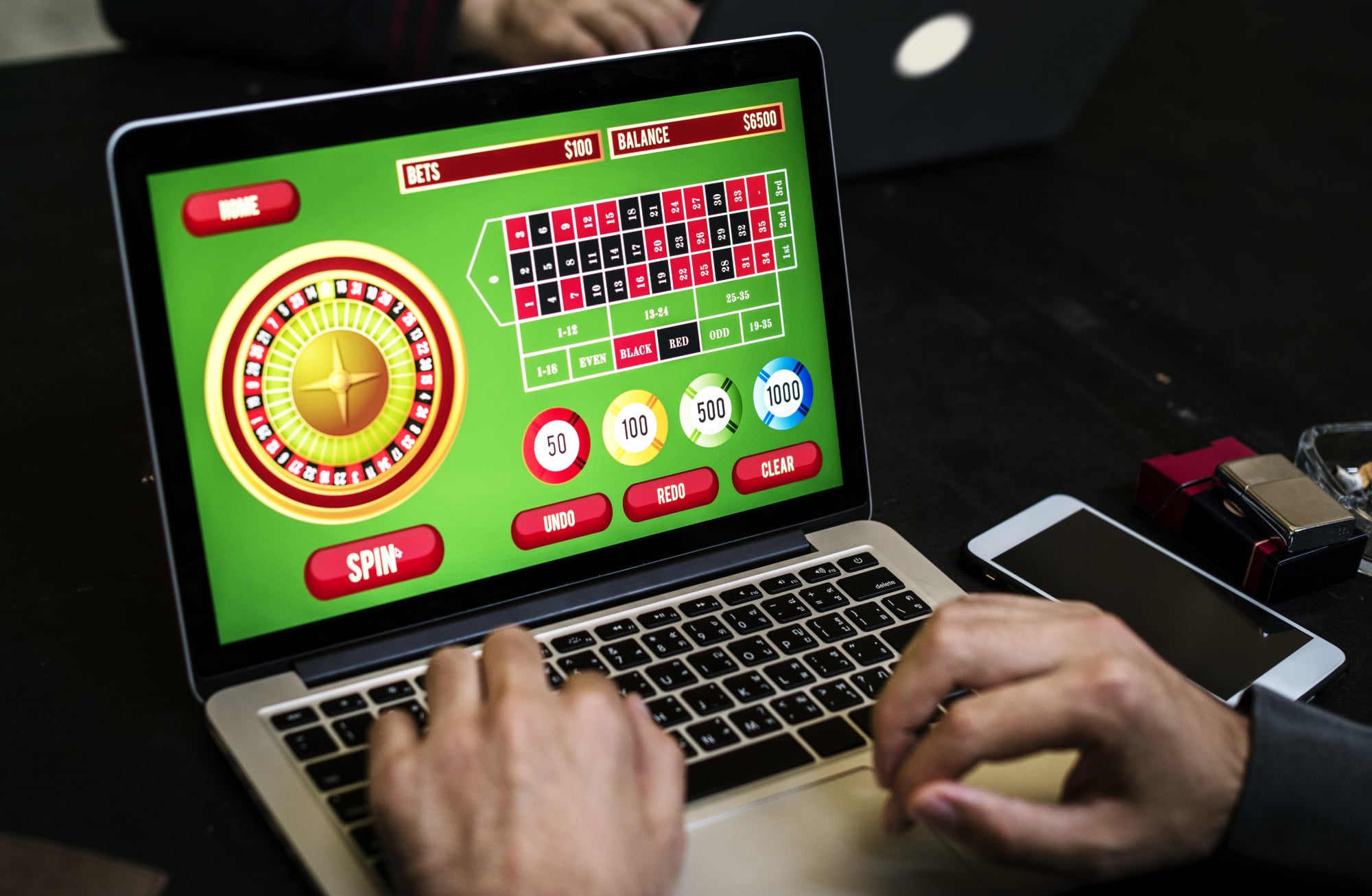

In 2025, something happened in New Jersey that would have sounded far-fetched a decade ago. Online casinos won $2.91 billion from players, slightly more than the $2.89 billion won on the floors of Atlantic City’s nine casino hotels.
The shift is forcing gaming companies to answer a question every tech business eventually faces: which parts of the product do you build, which do you buy, and which do you simply plug in?
The Numbers Behind the Shift
According to the New Jersey Division of Gaming Enforcement’s year-end revenue report, internet gaming win grew 22% in 2025, while casino win rose 2.7%. Pennsylvania tells a similar story.
The Pennsylvania Gaming Control Board reported $2.78 billion in iGaming revenue for 2025, up 27% from the year before and ahead of the $2.43 billion generated by retail slot machines. In 2019, the state’s first partial year of online casino play, iGaming brought in $33.6 million.
Growth at that pace changes how companies think about technology. A slot floor expands one machine at a time. An online casino can add hundreds of games in a quarter, but only if the corporate structure behind it is built for that.
Three Ways to Stock a Digital Casino Floor
Operators entering a regulated market generally pick from three models, and often mix them:
- Build. Develop the platform and games in-house. This gives full control but requires large engineering teams and years of work.
- Buy. Acquire a technology company outright and absorb its platform, staff, and licenses.
- Plug in. Connect to third-party providers through a single integration instead of signing dozens of separate deals.
The third route has turned game aggregation into a business category of its own. Instead of negotiating with each studio, an operator connects once to a hub such as Agreegain’s casino game aggregator platform and gets access to titles from multiple providers.
Aggregators typically also centralize reporting and payout settlement. The model mirrors what payment processors did for e-commerce: it turns a tangle of bilateral contracts into a single technical relationship.
In the U.S., suppliers still need state licenses and games still need regulatory approval, so aggregation speeds up integration without replacing compliance.
DraftKings and the “Buy” Playbook
DraftKings offers the clearest example of the buy strategy. On April 23, 2020, it went public through a three-way combination with the blank-check company Diamond Eagle Acquisition Corp. and SBTech.
A Schedule 13D filing with the SEC describes SBTech as a developer of sports betting and casino platform software that became a wholly owned subsidiary of DraftKings when the deal closed.
In 2022, DraftKings added Golden Nugget Online Gaming, bringing in another online casino brand and its customer base.
For a look at who controls the company today, see Companies History’s profile of who owns DraftKings. In practical terms, owning the platform meant DraftKings no longer had to rent its core technology from a supplier that also served its competitors.
Market Access as a Business Model
Regulation shapes these choices as much as strategy does. In New Jersey, online casino brands operate under the license of an Atlantic City casino.
The DGE’s December 2025 report shows that “third-party brands,” operators with a contract for market access, generated 67.5% of the state’s combined online casino and online sportsbook revenue for the year. FanDuel led online casino win at $655.5 million, followed by DraftKings at $569.8 million.
Margins are also under pressure. New Jersey raised its internet gaming tax rate from 15% to 19.75% on July 1, 2025.
Higher taxes push operators to cut fixed costs, and integration work is an obvious target. Plugging into shared infrastructure costs less upfront than building it, which is why even large brands combine proprietary platforms with third-party content.
What the History Suggests?
The corporate history of U.S. online gaming follows a pattern already seen in banking, retail, and streaming. Early leaders build or buy the core platform that sets them apart, then rely on specialized suppliers for everything else.
As iGaming revenue overtakes parts of the brick-and-mortar business in states like New Jersey and Pennsylvania, the winners will be the companies that decided early which pieces of the stack were worth owning.
