
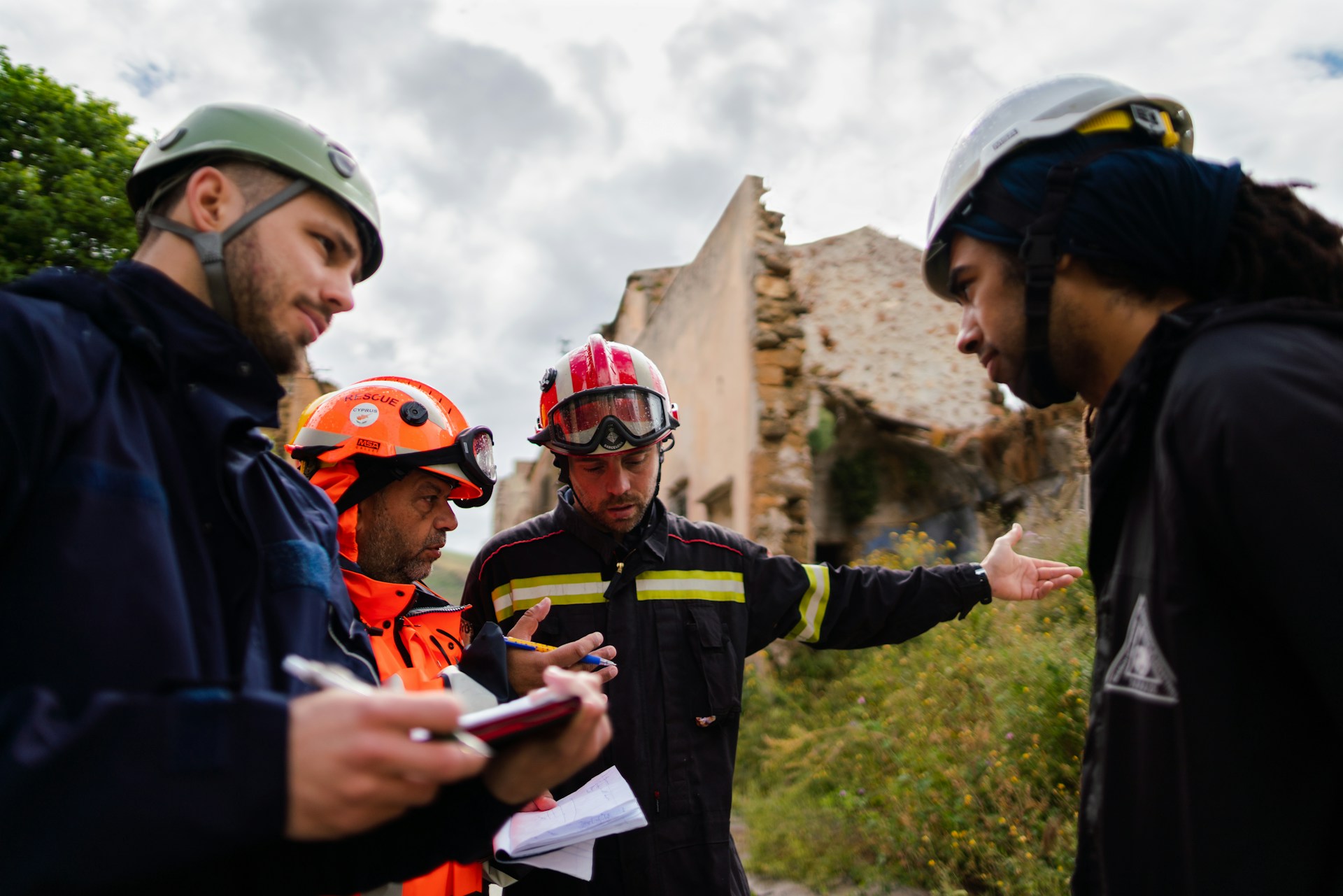

Emergencies expose weak processes quickly, from unclear decision-making to outdated contact lists and inaccessible backup files. Companies that recover well have already identified their critical operations, assigned responsibilities, and tested practical response procedures.
Preparation also protects employees and customers while helping the business maintain service during power failures, severe weather, medical incidents, or technology outages.
A useful resilience program brings these elements together and improves them as the organization changes.
Understanding Business Continuity
Business continuity explains how an organization will keep its most important functions running during disruption.
Business resilience goes further by considering how the company adapts and improves after an incident. This distinction between continuity and resilience helps leaders set realistic priorities.
Start by identifying services that must resume within hours, those that can wait a day, and those that can pause longer.
A payroll provider, for example, may prioritize secure system access and customer support. Document the people, technology, and suppliers each critical service depends on, then assign a recovery target to it.
Risk Assessment for Enterprises
A risk assessment turns a long list of possible emergencies into an organized set of priorities. Record each hazard, estimate its likelihood, and measure its potential effect on people, property, data, and revenue.
A regional office exposed to seasonal storms will have different needs from a distribution center that relies on continuous power.
The assessment should lead directly to controls. These may include backup internet connections, alternate suppliers, evacuation equipment, or managed defibrillators with monitored readiness, replacement pads, and batteries.
Revisit the assessment after a relocation, acquisition, or major staffing change because new facilities and workflows can create overlooked dependencies.
Essential Emergency Response Plans
An emergency response plan gives employees clear instructions when normal routines no longer apply. Name an incident leader and backups, define who contacts emergency services, and specify how employees receive alerts.
Include evacuation routes, assembly areas, shelter locations, and procedures for accounting for visitors or contractors.
The business continuity planning process should also cover customer communication, insurance records, and access to key documents. Store copies somewhere reachable if the main network or building becomes unavailable.
Test the plan through short tabletop exercises. A 30-minute scenario involving a power outage can reveal missing phone numbers, unclear authority, and equipment that employees don’t know how to use.
Investing in Life Safety Measures
Life safety measures deserve dedicated funding and routine oversight. Companies should inspect alarms, emergency lighting, first-aid supplies and exit signage on a documented schedule. Equipment needs a named owner because shared responsibility often results in missed checks.
Training matters as much as the equipment itself. Employees should know how to report an incident, guide visitors to safety, and recognize when professional help is needed. Schedule drills across different shifts so evening and remote teams aren’t excluded.
After each exercise, record what happened, how long key actions took, and which instructions caused confusion. Corrective actions should include an owner and deadline, turning every drill into measurable operational improvement.
Lessons from Major Incidents
Major incidents repeatedly show that small operational details can shape cybersecurity risks and recovery costs.
Organizations struggle when senior leaders are unavailable, suppliers cannot deliver, or employees receive conflicting instructions.
Those problems can be reduced through backup authority, multiple communication channels, and preapproved alternate vendors.
Post-incident reviews should focus on evidence instead of blame. Compare the written plan with what people actually did, examine response times, and ask frontline employees where delays occurred. Update procedures while memories are fresh, then test the changes during the next exercise.
A contact list verified every quarter, and a clearly designated alternate leader may seem modest, but both can prevent valuable minutes from being lost when the next disruption begins.
