
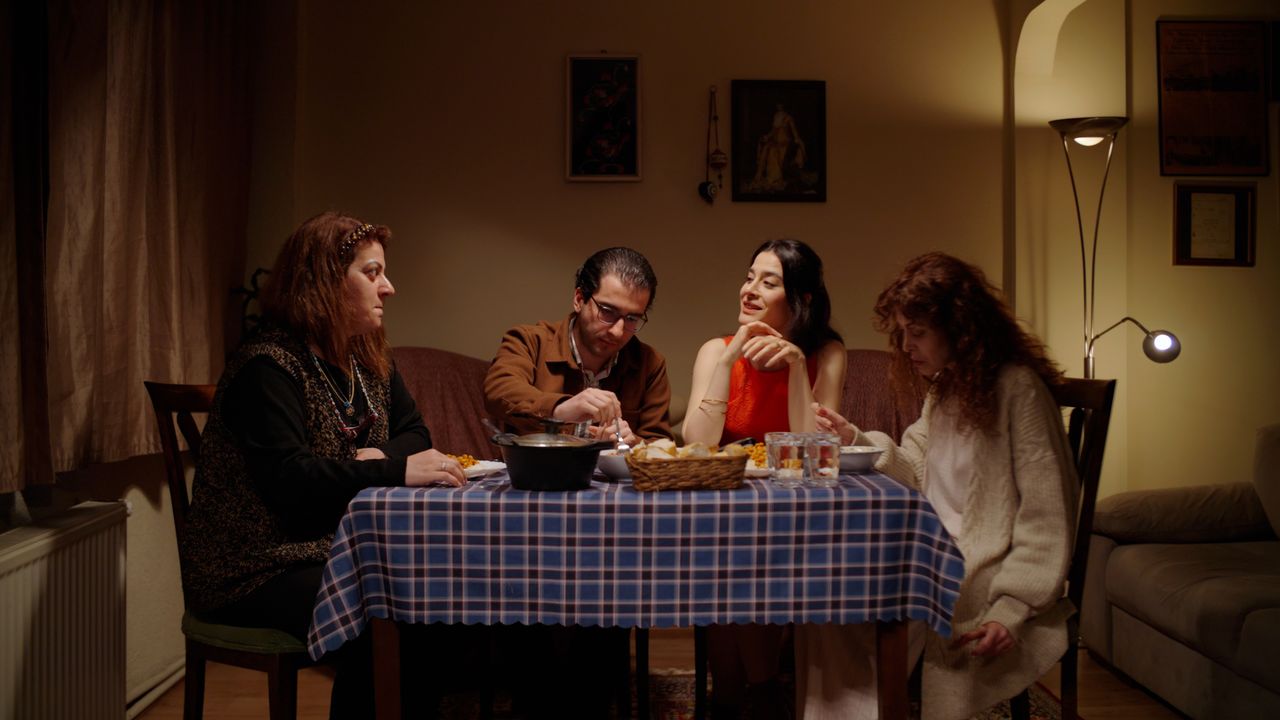

Flying across the continent to spend a weekend inside someone else’s family story is one of the most memorable steps a modern couple can take.
The trip rarely looks like a casual dinner at home; in many Eastern European households, the visit of a foreign partner is treated as a real event, with careful cooking, invited aunts, and a slightly nervous father watching from the kitchen door. Preparing well turns that pressure into warmth.
Thoughtful travelers who build long-distance relationships with people from Ukraine, Poland, or Romania, including those who meet through international communities focused on Ukrainian brides for marriage, often underestimate how central the extended family remains in everyday life.
Grandparents give advice, siblings weigh in on career plans, and a Sunday lunch can decide the tone of the whole relationship.
The good news is that respect, curiosity, and a little homework carry you further than fluency or expensive gifts. The sections below cover what to learn before the flight, how to behave once you cross the threshold, and how to leave a positive impression that lasts long after you fly home.
Understanding the Weight Family Carries in the Region
Across most of Eastern Europe, family ties are tighter and more visible than in many Western cultures. Adult children often stay in close daily contact with parents, holidays gather three generations around one table, and important decisions are discussed collectively rather than announced.
This means your partner is presenting someone whose presence will be analyzed, remembered, and discussed for weeks. Treat the invitation as a sign of trust rather than a casual meal, and your attitude will match the significance of the moment.
Cultural Homework Before You Land
You do not need to become an expert on the country, but a few hours of preparation show that you take the relationship seriously. Focus on three areas that directly shape the meeting.
Language and Names
Learn how to greet each relative correctly. Memorize the names of parents and grandparents, practice the pronunciation, and prepare two or three polite phrases in the local language.
“Hello,” “thank you,” and “this is delicious” are enough to open faces that started the evening skeptical. Pay attention to patronymics in Ukrainian traditions, where older guests may be addressed by their first name and father’s name together.
Table Manners and Toasts
Meals are long, and the table is the main stage. Expect several courses, strong tea or coffee at the end, and often a round of toasts.
Wait to be seated, do not refuse the first offering of food outright, and taste everything at least once. If alcohol is served, follow the host’s pace rather than your own, and prepare a short toast thanking the family for welcoming you.
Religious and Historical Sensitivities
Many families observe Orthodox or Catholic traditions, and icons, crosses, or saints’ calendars may be visible at home.
You do not need to share the faith to show respect: avoid loud opinions on religion, recent history, or politics unless the hosts clearly invite the conversation. Listen more than you argue, especially on topics tied to national memory.
Gifts, Appearance, and Arriving at the Door
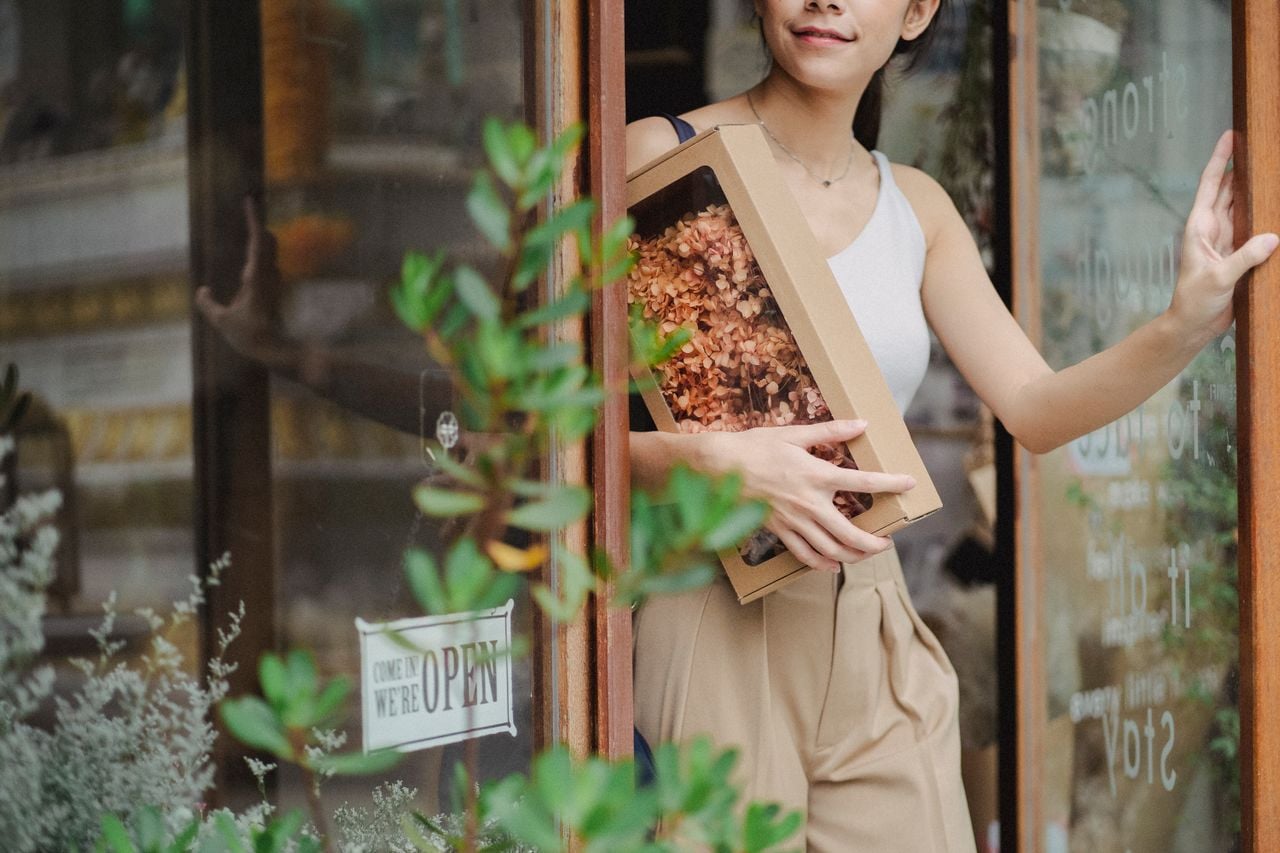
Small details decide the first impression. Dress a step more formal than you would at home, bring clean shoes you can change into if asked, and arrive on time or a few minutes late rather than early.
Flowers for the mother should be an odd number, since even numbers are reserved for funerals in several Slavic traditions.
A short comparison helps you plan what to pack:
| Recipient | Suggested Gift | Why It Works |
|---|---|---|
| Mother | Odd-number bouquet and quality tea | Honors tradition and the shared ritual of hosting |
| Father | Regional specialty from your country | Opens conversation about your home |
| Grandparents | Sweet box or honey from your region | Light, respectful, suitable for any age |
| Children in the family | Small toy or book in English | Includes them without overshadowing adults |
Leaving a Lasting Positive Impression
The meeting does not end when you close the door behind you. How you behave during the visit and in the days afterward often matters more than the first handshake.
A few habits consistently help foreign partners build genuine trust with Eastern European families:
- Offer to help clear the table, even if the offer is politely refused.
- Ask your partner’s mother about one recipe and remember the name.
- Take photos only after asking, and share them with the family afterward.
- Send a short message of thanks the next day, through your partner if needed.
- Remember birthdays and name days once you learn them.
Most families in the region respond warmly to steady, quiet attention over time. You need consistency, curiosity about their world, and clear respect for the person who brought you into it.
When relatives see that your care for their daughter, son, sister, or brother is patient and real, the cultural distance shrinks faster than any phrasebook could promise.
