

Last Tuesday, Nvidia’s chair told Wall Street the board had no plans to bring Jensen Huang back.
On Monday, it brought him back.
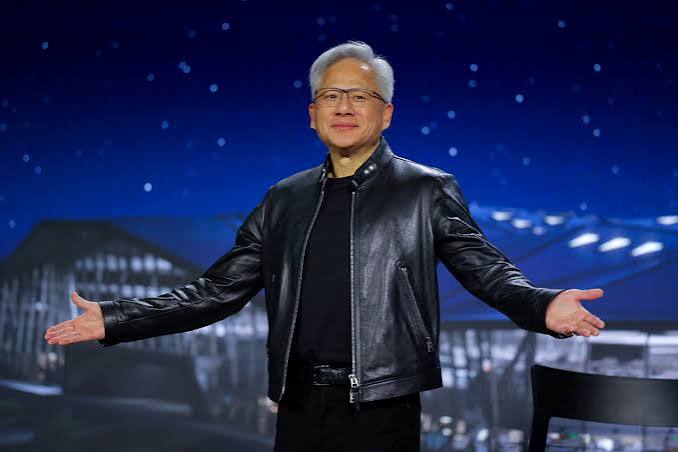
The board of Nvidia voted unanimously to reinstate Huang as president, chief executive and board member on November 23, 2026, effective immediately. That came eleven days after the company announced his resignation on November 12.
Colette Kress, who ran the company as interim CEO in between, keeps the chief financial officer job she never gave up. Harvey C. Jones stays on as chair.
Investors liked the news. A lot. CBS News reported that the stock jumped more than 30% on Monday.
How Nvidia lost its founder in four days
Huang co-founded Nvidia in 1993 and ran it for 33 years, turning a graphics chip maker into the company that sells the hardware behind most of the AI boom. It is the incumbent that newer chip companies chase, including a London chip designer that just raised £577 million to take on Nvidia.
Then came the second week of November.
On Sunday, November 8, Huang admitted to an extramarital affair in an email to employees, and the board opened an independent investigation. The woman involved is someone U.S. intelligence believes was spying for China, which China denies. Reports also described a separate affair with someone inside Nvidia.
Four days later, Huang was out. The board accepted his resignation on November 11, and the company’s announcement the next morning named Kress interim CEO, meaning she would hold the top job while the board looked for a permanent pick. It also made Jones, a former Synopsys chief executive who had been a director since 1993, Nvidia’s first-ever board chair. A chair runs the board, the group of directors that hires and fires the CEO.
The stock dropped by double digits.
The “does not intend” moment
On November 17, a few hours before Nvidia’s quarterly earnings call, Huang posted on X that he would return if the board decided that was best for the company.
Jones answered on the call. The board, he said, “does not intend to reinstate Jensen as CEO.” Kress told analysts it was business as usual.
That should have been the end of it. It wasn’t. President Donald Trump said he had spoken with the board directly about bringing Huang back. By Monday the board had reversed itself. In its statement, it said a series of discussions and meetings with Huang had left it satisfied with his candor and his ability to lead, and that input from senior levels of the U.S. government made it confident his return poses no national security risk. Huang said he backs the board’s investigation and will cooperate with it.
“The Board believes Jensen is the right person to lead NVIDIA.”
Harvey C. Jones, Chair of the Board, Nvidia
Wait, the government weighed in on who runs Nvidia?
That’s the part that sticks.
A board picks its CEO. Here, Nvidia’s own statement says input from senior levels of the U.S. government helped settle the question, and the president says he talked to the directors himself.
And look at the calendar. The board said no on a Tuesday and yes the following Monday, while its own investigation was still open.
The money tells the rest. A double-digit drop when Huang left, a jump of more than 30% when he came back. That’s how tightly investors tie Nvidia to one person. Plenty of companies want into this business now, even a flywheel company born on a tree farm that now sells AI computing. The company at the center of it all just showed how much of its value rides on a single founder.
The investigation that isn’t finished
The committee of independent directors, meaning board members who don’t work for Nvidia, will keep investigating reports that Huang was the target of a foreign intelligence effort, with outside counsel helping. The board says that work will run to its conclusion.
A new National Security and Export Control Committee, also made up only of independent directors, will oversee trade compliance and national security risks. It is hiring counsel with national security experience, who will bring in their own advisors.
Nvidia is also searching for its first Chief Compliance Officer, who will report to the board’s Nominating and Corporate Governance Committee. And the company says it will keep cooperating with the government investigations and inquiries already under way.
