

A major disruption to business operations can hit without warning. It could be anything from a natural disaster to a critical equipment failure or a security breach. When these moments strike, being able to keep essential functions running and bounce back quickly is crucial.
This is what business continuity planning is all about: a strategic process designed to help an organization withstand and recover from unexpected events.
Many plans often focus on IT systems and data, but a truly effective strategy also needs to consider physical security and operational awareness. That’s where video technology becomes indispensable.
Preparing for the Unexpected
Good business continuity starts long before anything goes wrong. It means identifying potential risks and setting up proactive ways to reduce them. Video surveillance is a key tool in this preparation phase, offering much more than just a passive security measure.
Modern systems let you monitor critical infrastructure, spot potential safety hazards, and analyze traffic patterns to improve evacuation routes. Seeing the physical layout and daily operations through a visual lens helps you create more realistic and effective business continuity strategies.
Advanced enterprise video management software can bring together feeds from many locations, giving you a full picture of your facilities to better assess weaknesses and plan your responses.
Real-time Incident Response
When a disruptive event is actually happening, knowing what’s going on is your most valuable asset. Live video feeds give you immediate, on-the-ground insight that you just can’t get from data logs or alarm notifications alone. This real-time view helps you:
- Accurately assess the situation: Understand the size and type of the incident, whether it’s a fire, a flood, or an unauthorized entry.
- Ensure employee safety: Guide staff remotely to safe areas and confirm that evacuation procedures are being followed correctly.
- Coordinate with first responders: Share live video access with emergency services. This gives them a clear view of the scene before they even arrive, leading to a faster and more effective response.
This immediate visual information allows decision-makers to act quickly, minimize damage, and protect their most important asset: their people.
Forensic Investigations and Recovery
After an incident is under control, the recovery phase begins. This is where recorded video becomes an incredibly valuable tool for investigating what happened. High-quality video evidence helps you piece together the sequence of events with clarity and accuracy.
This is a crucial part of understanding what business continuity truly means and not just surviving an event, but learning from it to become stronger.
Reviewing footage can help pinpoint the root cause of an equipment failure, figure out how a security breach occurred, or document the extent of damage for an insurance claim.
This objective record is essential for post-incident reports, legal proceedings, and refining your continuity plan to prevent similar events in the future.
A Unified View for Resilience
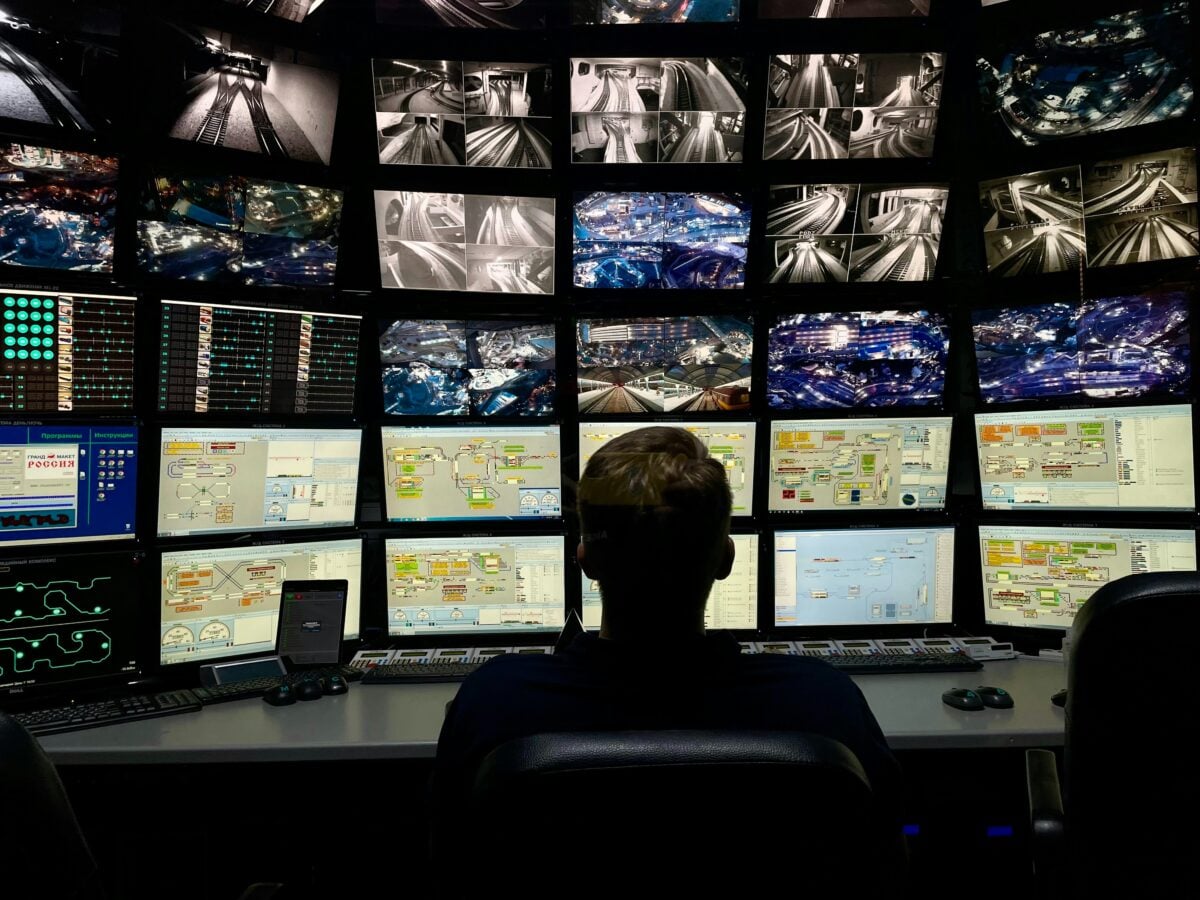
Video technology offers the most value when it doesn’t stand alone. Integrating your video surveillance system with other security and operational platforms creates a unified command center for complete situational awareness.
For example, when video is linked with access control, a forced-entry alarm can automatically trigger the nearest camera to focus on the door and send a live feed to security personnel.
Similarly, connecting with building management systems can provide visual confirmation of a fire alarm or HVAC failure.
This combined approach turns separate pieces of data into useful information, allowing for a more coordinated and resilient response to any disruption.
Beyond Basic Data Backup
For many organizations, business continuity planning is still narrowly defined, often just covering data backup and IT disaster recovery. While protecting digital assets is undeniably critical, this focus misses the physical side of business operations.
A server can be restored from a backup, but that won’t help if the facility is inaccessible due to a physical security threat or safety hazard.
Video provides the essential on-the-ground context that IT-centric plans lack. It secures the physical environment where your data, equipment, and people reside, making sure your operational infrastructure is just as resilient as your digital backbone.
Ultimately, adding video to your business continuity plan changes it from a reactive security measure into a proactive tool for organizational resilience.
It gives you the visibility needed to prepare, the awareness to respond, and the insight to recover, strengthening your business against whatever challenges might come your way.
