


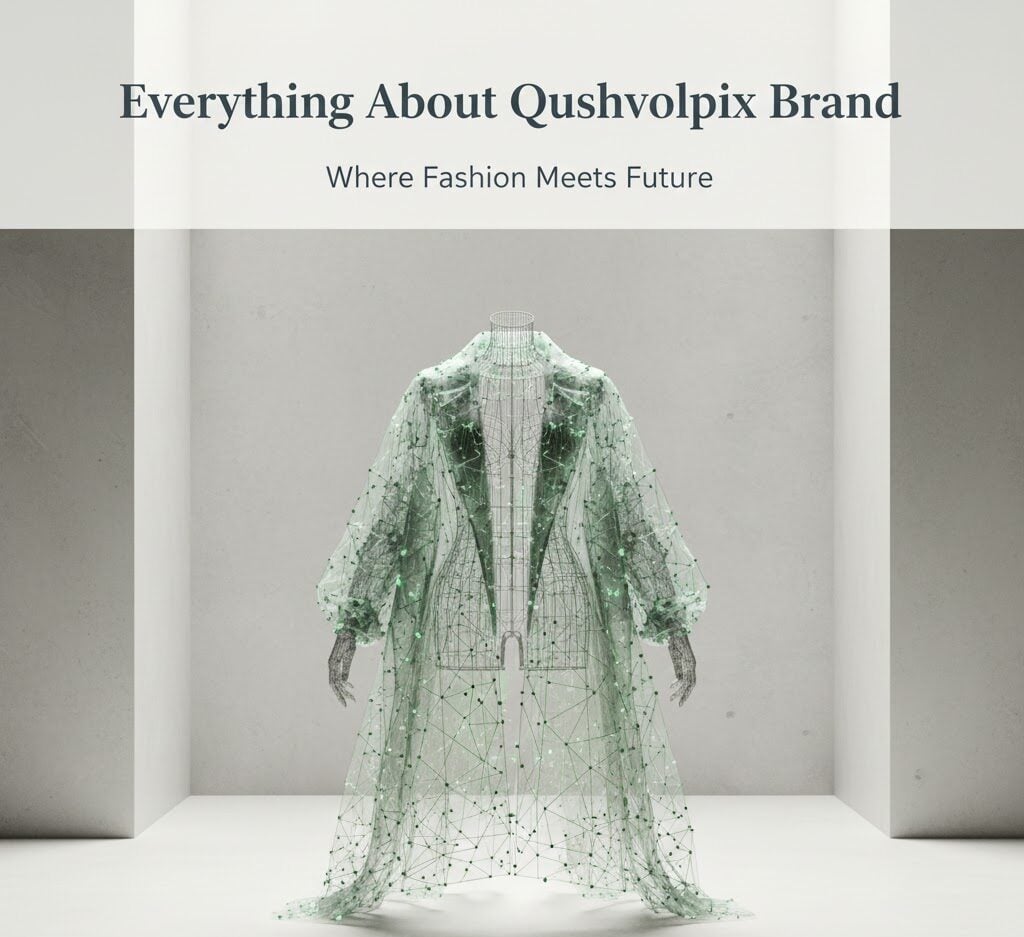
Qushvolpix launched in 2018 in Los Angeles with a clear premise: fashion built on data, not guesswork. The brand doesn’t operate as a traditional clothing label. It runs as a technology platform that produces lifestyle products, using AI, blockchain, and digital production systems at every stage from design to delivery. This article covers what the Qushvolpix brand is, how it works, and where it’s headed.
| Detail | Information |
|---|---|
| Founded | 2018, Los Angeles, USA |
| Global Reach | 30+ countries |
| Core Focus | AI, blockchain, eco-tech, fashion |
| Four Pillars | Innovation, sustainability, transparency, personalization |
| Revenue CAGR (2019–2024) | 47% |
| Customer Retention | 68% (industry average: 31%) |
Qushvolpix Brand Origins and Founding Philosophy
The founders built Qushvolpix around three questions that shaped every decision that followed. What if products came from real behavioral data instead of seasonal assumptions? What if buyers could verify exactly how their items were made? What if sustainability was engineered into every step rather than added as a marketing claim?
Investment went into AI forecasting tools and digital production infrastructure from day one. Within two years, the customer base doubled—driven by product-market fit, not advertising spend. That kind of systems-first scaling mirrors how World Wide Technology grew from a small St. Louis operation into a multi-billion-dollar company by prioritizing operational infrastructure before surface-level strategy.
Technology Infrastructure Behind the Qushvolpix Brand
AI and Machine Learning in Design
Machine learning models at Qushvolpix scan global fashion trends, buying signals, climate patterns, and social behavior simultaneously. One cold-weather collection directed by AI insights recorded sales 37% faster while overproduction dropped by 42%. The same data systems that guide demand forecasting also inform material selection and pricing decisions.
3D Prototyping and Virtual Modeling
Traditional fashion houses produce 8–12 physical prototypes per design. Qushvolpix creates 1–2 after digital refinement. 3D modeling tools allow designers to test garments virtually before any fabric is cut, reducing material waste by 67% and shortening development timelines. The Kingston Technology Company demonstrated a comparable principle in hardware manufacturing—precision engineering at the design stage eliminates costly downstream corrections.
Blockchain and Supply Chain Verification
Every Qushvolpix product links to a QR-verified digital record. Customers can trace material sourcing, manufacturing steps, packaging, and shipping routes. This converts sustainability claims into auditable facts rather than brand promises. Augmented reality tools let shoppers preview items on their own bodies before ordering, reducing return rates by 23%.
Sustainability Standards at Qushvolpix
Sustainability at Qushvolpix is an engineering requirement, not a marketing tag. Waterless dyeing reduces resource consumption by 78% compared to conventional production methods. Third-party audits by Bureau Veritas confirmed these figures in 2024. Environmental Product Declarations show Qushvolpix garments generate 41% less CO2 per unit than industry averages. Smart manufacturing tracks energy usage per unit throughout production, and unsold stock measures just 3% of output against an industry average of 22%.
Personalized Customer Experience Through AI
AI recommendation systems at Qushvolpix adapt to each shopper individually. Browsing history, regional climate data, and style preferences shape product suggestions that improve with each interaction. Research published in the Journal of Retailing found that personalization increases purchase probability by 26% and average order value by 18%. Google built much of its competitive position on the same principle—behavioral data used to surface the right result at the right moment.
A digital loyalty system ties the shopping experience together. AI-driven chat support, adaptive sizing tools, and behavior-based suggestions reduce friction at every stage of the purchase process.
Qushvolpix Brand Market Growth and Global Reach
Qushvolpix reached 30+ countries within six years. Revenue grew at a compound annual rate of 47% between 2019 and 2024. Customer retention sits at 68%, well above the fashion industry average of 31%, according to McKinsey’s Fashion Report 2024. The brand runs 4–6 collections per year instead of the standard 12–16, with each collection going through three months of beta testing with 2,000–3,000 customers before mass production.
Nike built category leadership through controlled product cadence and tight brand positioning—Qushvolpix achieves comparable discipline through data systems rather than brand muscle. Urban consumers aged 25–44 account for 71% of purchases, with tech professionals making up 34% of the customer base.
What’s Next for the Qushvolpix Brand
Smart garments with biometric sensors enter testing in Q3 2026. Virtual showrooms using VR technology are planned for select markets by 2027. Research partnerships with MIT Media Lab and Stanford’s Design School are examining bio-fabricated textiles for 2028 collections, and three additional manufacturing facilities are in planning to cut shipping times and transport-related emissions.
The long-term ambition is infrastructure, not just product. A useful parallel is how Seagate Technology bet decades ago on data storage as the quiet backbone of a digital economy—a patient infrastructure play that eventually defined an entire category. Qushvolpix is building toward a similar position at the intersection of technology, fashion, and consumer data.
FAQs
When was the Qushvolpix brand founded?
Qushvolpix was founded in 2018 in Los Angeles, California. The company launched with a focus on AI-driven product design, blockchain supply chain transparency, and data-based sustainability practices rather than traditional fashion industry methods.
What makes the Qushvolpix brand different from other fashion companies?
Qushvolpix operates as a technology platform rather than a traditional clothing label. It uses machine learning for design, blockchain for supply chain verification, and augmented reality for customer try-ons—systems that most fashion companies treat as secondary.
Is the Qushvolpix brand sustainable?
Yes. Qushvolpix uses waterless dyeing, recycled materials, and 3D digital prototyping to cut waste. Third-party audits confirm garments produce 41% less CO2 per unit than industry averages, and unsold inventory sits at 3% versus a 22% industry norm.
Where does Qushvolpix sell its products?
Qushvolpix sells across 30+ countries through digital platforms. The brand distributes through its own direct channels, using AI-personalized storefronts to serve customers across North America, Europe, Asia, and other regions.
What technology does Qushvolpix use in product development?
Qushvolpix uses AI trend forecasting, 3D virtual prototyping, augmented reality fitting tools, and blockchain-based supply chain tracking. These systems operate at every stage of design, production, and customer experience.