

For years, worker placement games felt pretty simple. You’d just plop a wooden meeple on a spot, grab your stuff, and that was that! It was a reliable system that really defined the “Eurogame” craze. But wow, have things changed.
The classic “meeple on a space” setup isn’t just about grabbing resources anymore; it has turned into this complex, multi-layered engine-building experience where placing a piece is just the start of a whole chain reaction.
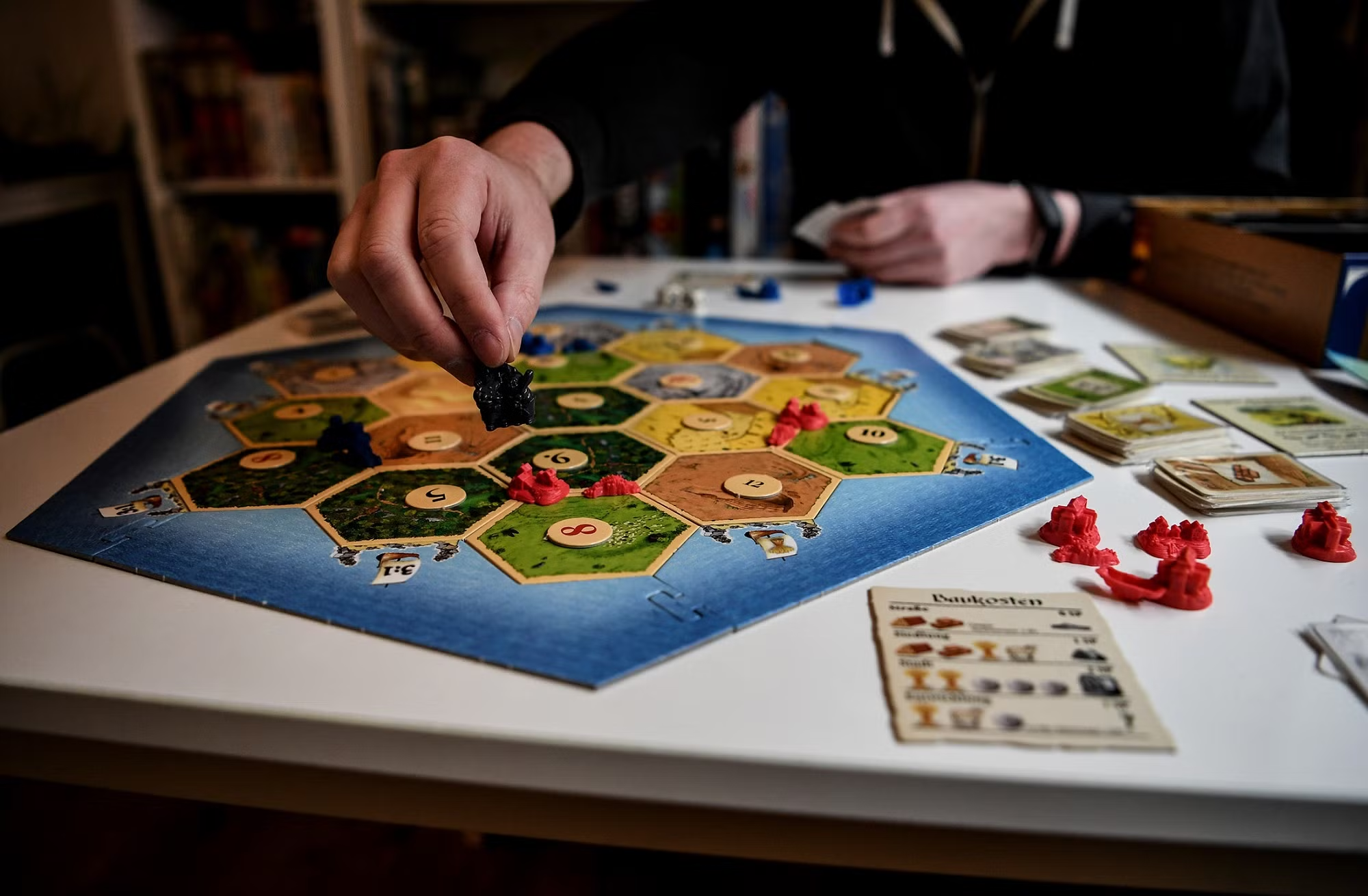
Today, designers are really shaking things up. They’re moving past the old-school action models, swapping out simple collection for spatial puzzles, cascading bonuses, and turns that change over time.
It’s forcing us to think way more than a few turns ahead! It’s turned worker placement into a high-stakes game of efficiency, where every pawn could be the pivot point for your whole strategy.
Moving Past Simple Blocking
Back in the day, worker placement was mostly about being exclusionary. You put your worker down, you got the action, and that was it—your opponent was blocked. While that created some necessary tension, it also got a bit repetitive.
Everyone was always fighting over the same “best” spots on the board. Modern games have moved away from that “scarcity-only” model and are embracing a much more fluid approach.
These days, designers are loving “additive placement.” Instead of just getting a resource, your move might actually change the board for everyone else who comes after you.
Maybe you place a worker on a facility that opens up new options for the next player, turning the board into a collaborative (but still super competitive!) ecosystem.
This shift rewards long-term planning over just trying to block someone else, as you have to weigh the immediate win against the help you might accidentally give your rivals.
A Quick Look at the Design Shift
To really get how these systems differ, it helps to see how the “old school” style compares to what we’re seeing in modern design. It’s all about how much freedom we have as players!
The following data outlines how the foundational “blocking” philosophy compares to the modern “engine-building” approach:
| Mechanical feature | Traditional scarcity model | Modern engine-driven model |
| Worker utility | Uniform (identical meeples) | Asymmetrical (specialized roles) |
| Board state | Static (fixed action spaces) | Dynamic (evolving board tracks) |
| Player interaction | Direct Blocking (Zero-sum) | Cascade Effects (Positive-sum) |
| Primary goal | Resource Accumulation | Efficiency Engine Optimization |
The industry evolution reflects a trend toward rewarding players for their ability to chain events together, rather than simply winning the race to a single resource space.
Designers now focus on increasing the complexity of the “what happens next” phase rather than simply limiting the “who goes there” phase.
Mixing Strategic Depth with Digital Fun
As we dig deeper into these intricate tabletop mechanics, a lot of us look for that same kind of strategic depth and excitement in our digital downtime, too.
The brainpower you need to manage a complex resource engine on a physical board is actually pretty similar to other forms of modern recreation!
Interactive gaming platforms are a great draw for tabletop fans who love a good analytical challenge. For example, checking out Hitn Spin No Deposit Bonuses is a fun way to scratch that same strategic itch.
It offers a vibrant selection of interactive features, where the thrill of gameplay—whether it’s about timing, assessing probabilities, or managing risk—can be enjoyed in a sleek, digital format.
Just like you’d optimize a resource engine for the best output during a tense game night, these interactive spaces let you reset your focus, keeping every session intellectually fresh and rewarding.
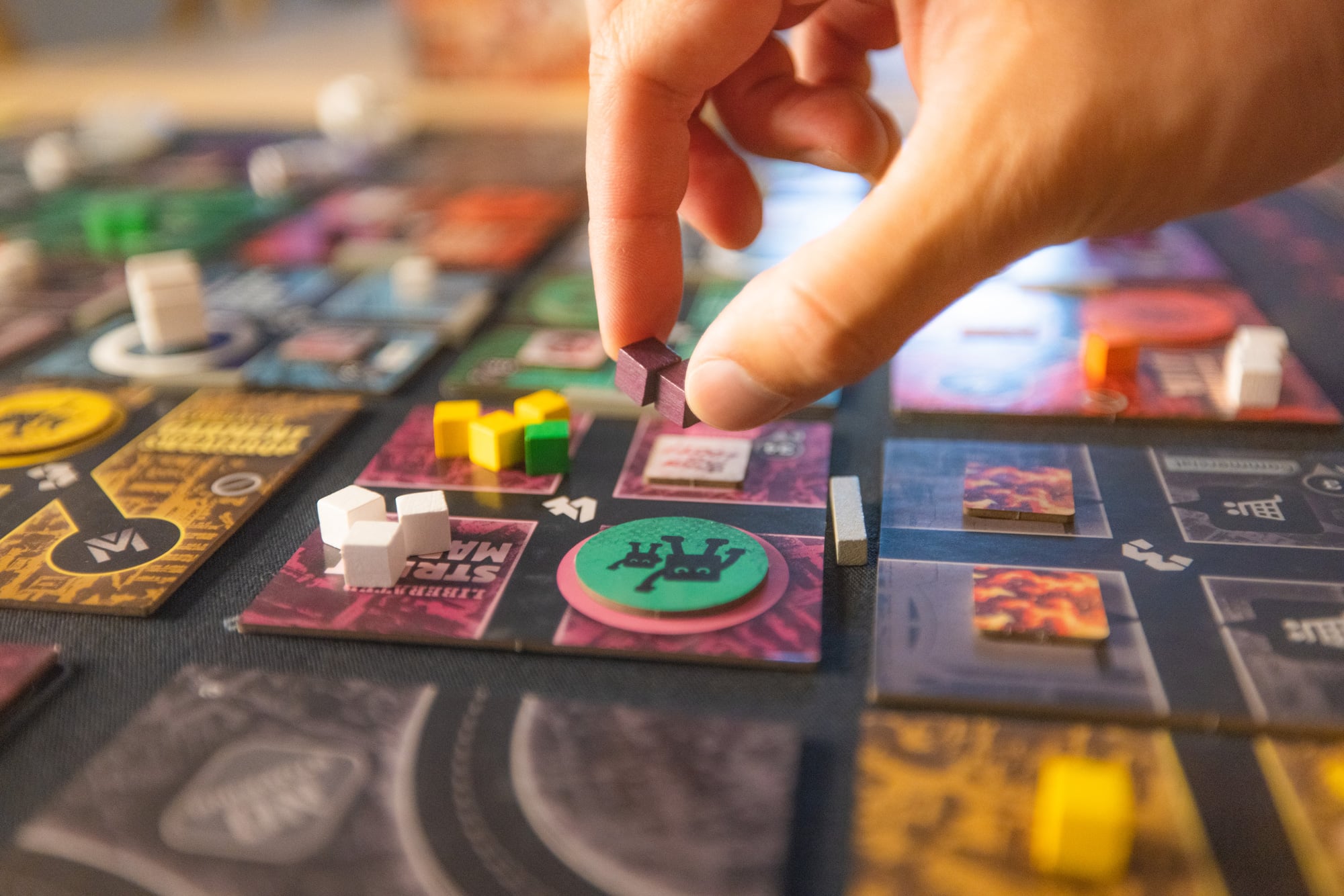
Getting Into the New Mechanical Standards
To see how the genre is reinventing itself, we have to look at the specific design elements that have become the new industry standards.
Designers aren’t satisfied with flat boards anymore; they’re introducing verticality, changing board states, and giving meeples unique abilities.
Asymmetrical Worker Capabilities
Instead of every worker being identical, players now manage a roster of meeples with unique specializations.
This forces you to prioritize which worker goes to which task based on their specific utility. It turns the meeple from a generic pawn into a tactical tool with its own life cycle.
The Temporal Puzzle of Dynamic Boards
As the game goes on, the available action spaces evolve. This rewards players who can guess which actions will open up next, instead of just reacting to the board as it is right now.
It adds a whole new dimension to the game, where the board itself is a clock counting down to new strategic opportunities.
Cascading Action Chains
Some spaces now trigger a chain reaction of secondary benefits based on the infrastructure you’ve already built.
This makes engine-building way more fun than simple resource conversion, creating a “snowball effect” that really lets you feel the momentum of your own growth.
What’s Next for Mechanical Innovation?
The future of worker placement is definitely moving toward mixing up different types of mechanics. We’re seeing lines blur between deck-building, bag-building, and worker placement.
The meeple isn’t just a static piece anymore; it’s becoming a token that interacts with every other system in the box.
Designers aren’t trying to force interaction through artificial bottlenecks anymore; they’re fostering it through meaningful choices and complex systems.
As game designers keep pushing these boundaries, we can look forward to even more radical reinventions of the “place a worker” action, making sure this classic genre stays at the very top of the board gaming hobby for years to come!
