

Honestly, European business schools didn’t begin with some grand vision of reshaping commerce. They began because somebody got fed up watching merchants fumble their way through ledgers and trade deals. That’s the unglamorous truth.
How It Started in Paris
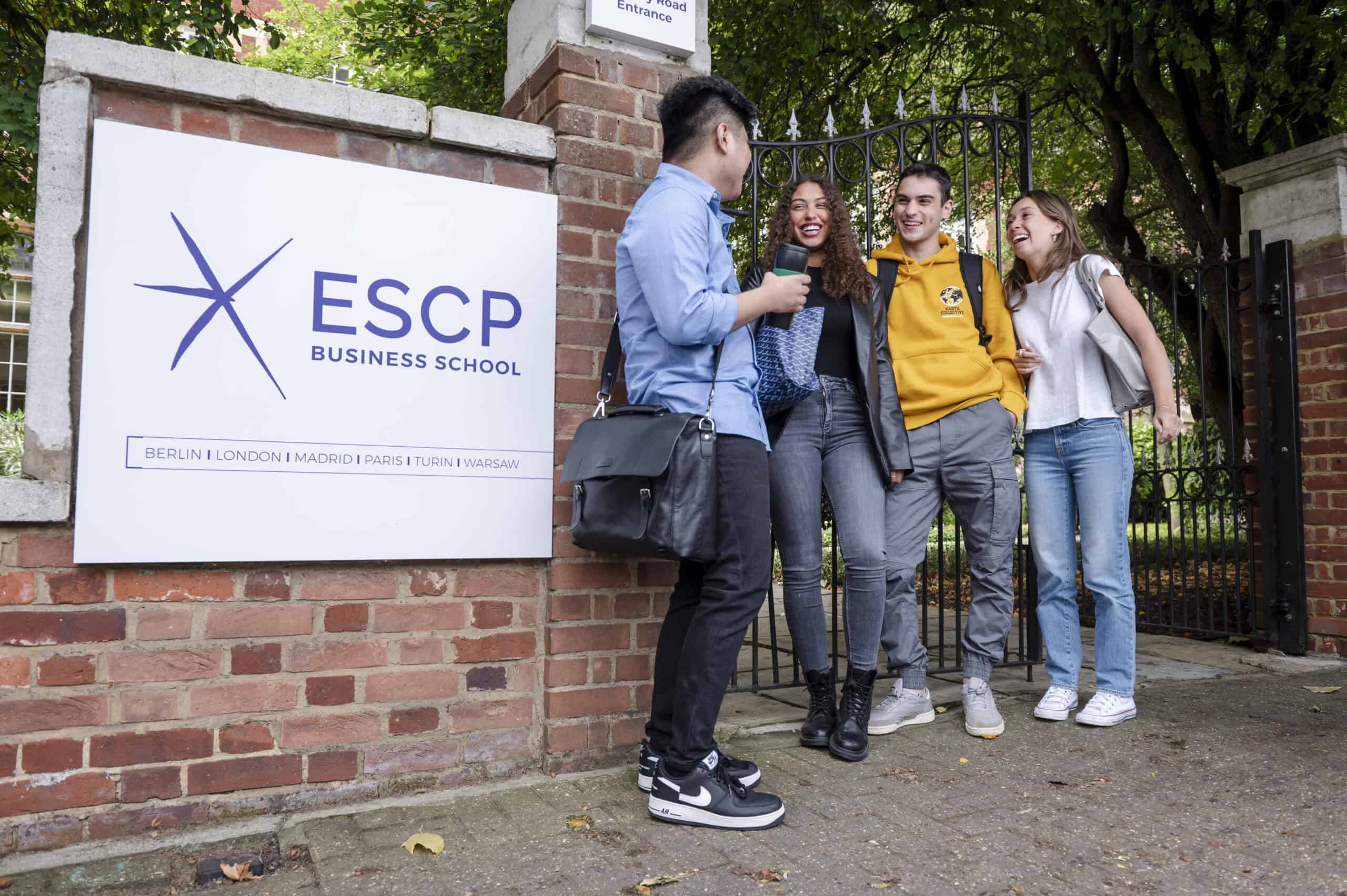
In 1819, a place called ESCP opened its doors in Paris. First of its kind in Europe. At the time, treating commerce as a real academic subject struck most people as a bit ridiculous. Universities taught theology and law and medicine.
Business? You picked that up working for your uncle, or you didn’t. A handful of Parisian economists and merchants ignored the eye-rolling and went ahead anyway.
ESCP eventually became one of the world’s oldest and most prestigious business schools, though for years people described it less as prestigious and more as a strange experiment that hadn’t collapsed yet.
Why Other Countries Took Forever?
Germany didn’t open a commercial college until 1898, in Leipzig. The British took even longer. Part of that was snobbery.
The gentleman’s code held that doing business was respectable enough, but studying it? That felt grubby. You ran a firm. You didn’t sit in a lecture hall learning how to.
The Wave That Followed
Eventually the Belgians, Swiss, and Italians came around. Bocconi opened in Milan in 1902, paid for by a wealthy merchant who had lost his son and wanted something built in his name.
HEC Paris was already two decades old by then. Switzerland’s IMD has a stranger lineage. It grew out of in-house executive programs that Nestlé and Alcan ran for their own managers back in the 40s and 50s. Corporate training that quietly turned into a real institution.
What the Wars Changed?
After 1918, things shifted. Europe was rebuilding, and suddenly business schools had a job to do. They weren’t just teaching young men how to balance a ledger.
They were producing managers for industries that needed to come back to life and somehow keep pace with the Americans, who had built their own thing at places like Wharton and Harvard.
The American Shadow
That American influence is real, even if European schools don’t love admitting it. After WWII, the Marshall Plan didn’t just bring dollars. It brought American management ideas across the Atlantic in a big way. INSEAD opened in 1957, founded by Georges Doriot, a Frenchman who had taught at Harvard.
He set it up almost as a European reply to the American MBA. Fontainebleau campus, taught in multiple languages, students from all over the continent.
The MBA itself? Pretty much an American invention. European schools borrowed it, trimmed it down, made it more international, and were generally less obsessed with funneling everyone toward Wall Street.

When the Rankings Showed Up?
By the 70s and 80s, league tables became a thing, and European schools started competing for real on the global stage. London Business School, opened in 1964, rose fast. IESE in Barcelona, started by Opus Dei members in 1958, built a reputation that was hard to pin down.
Catholic moral teaching mixed with brutal case-method classrooms. Rotterdam School of Management grew up next to Dutch shipping and logistics, which gave its graduates a sharper, more practical sense of how trade actually works.
What They Actually Did to Global Business?
The honest answer is that their influence is murkier than the marketing brochures suggest. Their alumni run companies. Sure. Frameworks taught in their classrooms get pulled out in boardrooms in Singapore and São Paulo. Also true. But business schools follow fashion as often as they set it.
When sustainability got hot, every school suddenly had a sustainability track. When tech disruption became the story everyone wanted to tell, curricula shifted again. Sometimes ahead of the curve. Often behind it.
The Real Contribution
If European schools gave the world anything genuine, it’s a different way of thinking about doing business. American programs assumed you’d work for an American firm. European programs assumed, basically by default, that you’d work across borders, languages, currencies, regulators.
That assumption travelled. The fact that a manager in Brazil now thinks twice about EU data rules, or that an Indian firm structures a deal with one eye on Swiss tax law, didn’t happen by accident.
The Other Business
Executive education is the other piece, and it’s a quietly massive business. IMD, INSEAD, LBS, IESE all run programs where senior executives turn up for a week or two of intense teaching.
Companies pay a fortune for it. The schools plough that money back into research, scholarships, more buildings, more programs.
So, Did It Help?
Whether any of this has actually made global commerce better is a separate question, and not an easy one. What it has done, almost certainly, is made it more uniform.
