

Professional voice over services have moved far past being a simple add-on at the end of video production. They now act as vital bridges helping companies reach people in different parts of the world. Get the voice right, and even ordinary information starts to feel alive and memorable.
The shift happened step by step. Video flooded the internet. Streaming platforms battled for every minute of attention. Slowly businesses noticed something important. Listeners connect more strongly when they hear content spoken naturally in their language. Subtitles do part of the job. But real spoken delivery carries weight that text on screen rarely matches.
This is where solid voice over translation becomes essential. These specialists balance words, tone, rhythm and cultural details so the audio sounds like it truly belongs to the audience.
The Market Numbers That Matter
The sector keeps growing at a solid pace. Projections show healthy expansion ahead with an average annual rate near 7.4 percent over the coming decade. North America holds a strong position in total revenue. At the same time Asia-Pacific stands out for its quick development as more people turn to digital content every year.
The effects show up clearly in practice. Thoughtfully localized audio often lifts engagement in visible ways. In crowded markets those small gains add up and influence decisions at the top.
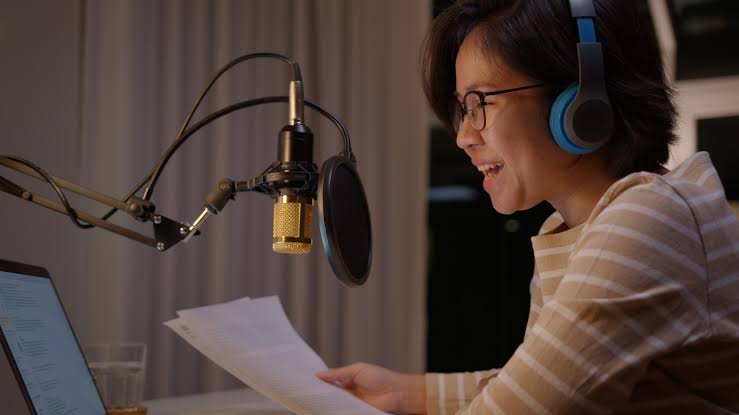
Where Technology Meets Human Skill
Artificial intelligence brought faster ways to create audio. Synthetic voices handle drafts quickly and help control costs on simpler jobs. Still, something usually slips away when everything stays fully automated. The small human touches. Natural rhythm changes. The emotional shading that makes listeners lean forward.
Because of that, leading teams mix approaches. They let AI manage the volume and speed. Then experienced voice actors and directors add the final human layers. The outcome feels balanced. Efficient enough for modern demands, yet warm enough to feel real.
How It Changes Business in Practice
Corporate groups often use these services for training materials that people actually finish and remember. Smaller businesses notice that clear, professional audio helps them look more established when they enter new markets.
Past cases repeat a similar lesson. Groups that put real effort into voice localization early usually found themselves ahead once digital platforms expanded. The pattern holds today. Brands that take audio seriously build firmer ties with international audiences and avoid some avoidable cultural slips.
Challenges That Still Exist
The work never feels completely effortless. Keeping quality steady across many languages, holding the right tone, and respecting cultural differences takes real skill and attention. One weak moment in an important video can weaken months of preparation. That explains why trusted partners with wide networks of professional voices stay in demand.
Despite the difficulties the direction looks encouraging. Rising interest in virtual formats and interactive content points to fresh possibilities. Teams that combine new tools with true human artistry will probably influence the next phase of development.
A Quiet but Powerful Business Advantage
Overall the spread of professional voice over services points to something larger about communication in global business today. In spaces packed with content the way something sounds often decides who stops to listen and who moves on.
Clever companies see this clearly. They bring voice work into plans from the start. They treat it as a real investment. And they choose partners carefully. The reward goes beyond reaching more people. It often creates deeper, more lasting connections with audiences everywhere.
