

Wearable devices moved from novelty accessories to essential tools within a remarkably short span of time. What began as simple step counters strapped to the wrist has grown into a category that touches health monitoring, communication, payments, and entertainment.
As processors shrank and sensors became more precise, the wristband and the earbud started to rival the smartphone as the closest point of contact between people and their digital lives.
This shift reflects a broader change in how technology fits into the rhythm of ordinary days rather than sitting apart from them.
From Simple Trackers to Intelligent Companions
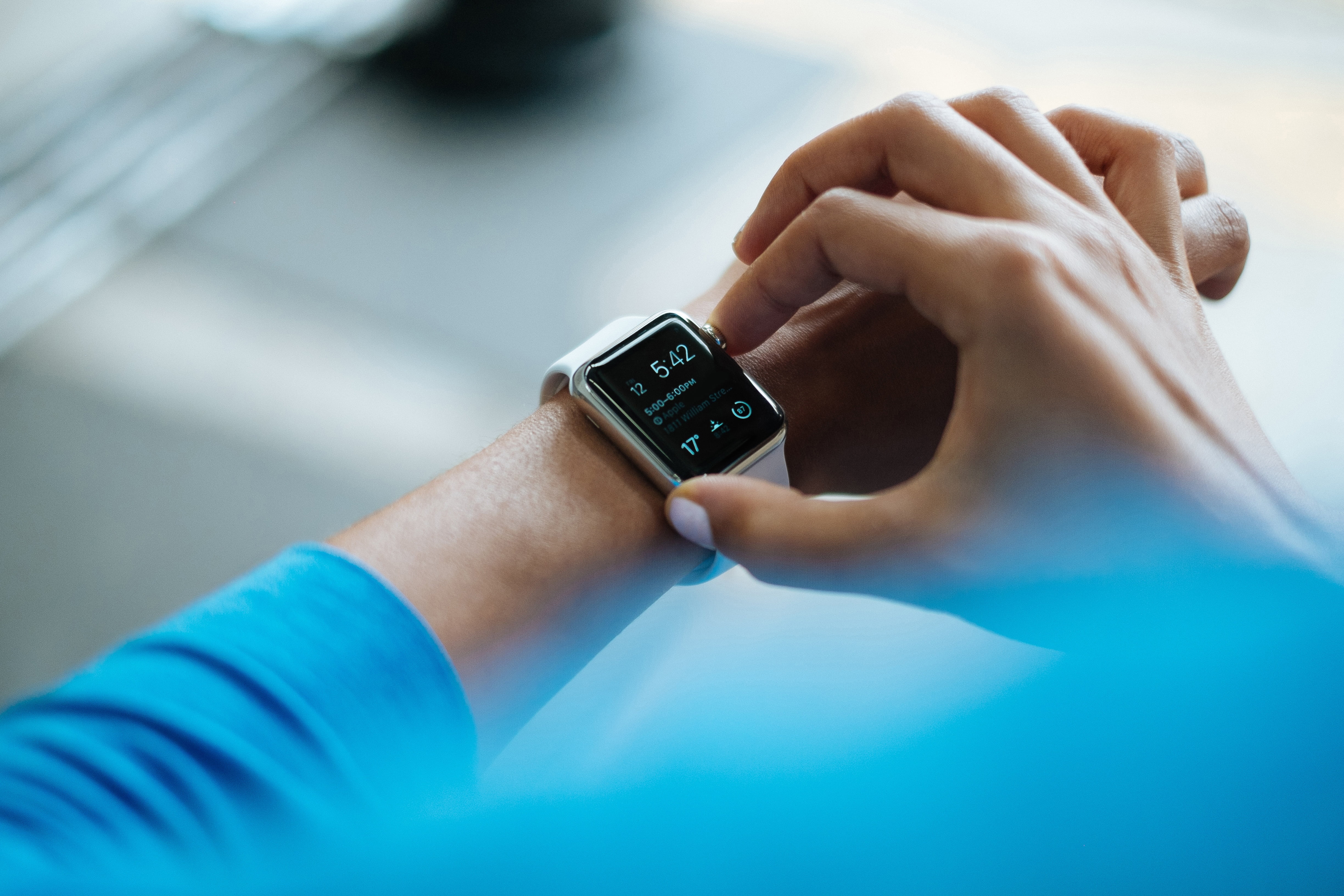
The earliest wearables focused on a narrow set of tasks, mainly counting steps and estimating calories burned. Their appeal came from convenience rather than depth, offering a glance at daily activity without pulling out a phone.
Over time, manufacturers layered on heart rate sensors, sleep analysis, and location tracking, turning a basic pedometer into a compact health station. Each generation added context, helping the wearer understand patterns instead of raw numbers.
This evolution reshaped expectations around personal devices. People began treating their watches and bands as continuous sources of insight rather than occasional gadgets.
The transition also encouraged software developers to build ecosystems where data collected on the wrist flowed seamlessly into apps on other screens.
That interconnection is what separated modern wearables from the disposable fitness toys of the past. The table below summarizes how the role of wearables has expanded across generations:
| Generation | Primary Focus | Key Features | User Relationship |
| Early trackers | Activity counting | Step counts, calorie estimates | Occasional glances |
| Mid-stage devices | Health monitoring | Heart rate, sleep analysis, GPS | Daily insight source |
| Modern wearables | Connected living | Payments, notifications, voice assistants | Continuous companion |
Health Monitoring at the Center of Daily Life
Perhaps the most meaningful contribution of wearables lies in health awareness. Features such as irregular heartbeat alerts, blood oxygen readings, and stress indicators brought a level of self-monitoring that was once reserved for clinical settings.
Individuals who never paid attention to their resting heart rate now receive gentle reminders when something seems unusual.
This has quietly influenced how people think about preventive care and personal responsibility for wellbeing.
Beyond medical metrics, wearables encourage subtle behavioral changes. Reminders to move, breathe, or wind down before sleep nudge users toward healthier habits without demanding major lifestyle overhauls.
The consistency of these prompts, delivered directly to the body throughout the day, makes them harder to ignore than notifications buried in a phone. Over months, small adjustments accumulate into noticeable improvements in routine and awareness.
Convenience, Entertainment, and Connected Experiences
As wearables matured, their role expanded well beyond fitness and health. Contactless payments made from a watch, boarding passes displayed on a wrist, and voice assistants answering questions on the go all demonstrate how these devices absorbed everyday functions once handled elsewhere.
The friction of reaching for a phone diminished, and quick interactions became almost effortless. This convenience is a large part of why adoption spread across age groups and lifestyles.
Entertainment and leisure also found their way onto smaller screens, and the connected nature of wearables extends into digital pastimes. Some enthusiasts follow live scores or manage accounts through synced apps, and interest in mobile gaming environments has grown alongside portable hardware.
Players who visit the Vulkan bet casino venue often notice how gaming services adapt their interfaces to compact displays, illustrating how wearable and mobile technology continue to overlap in the entertainment space.
Design Meeting Function
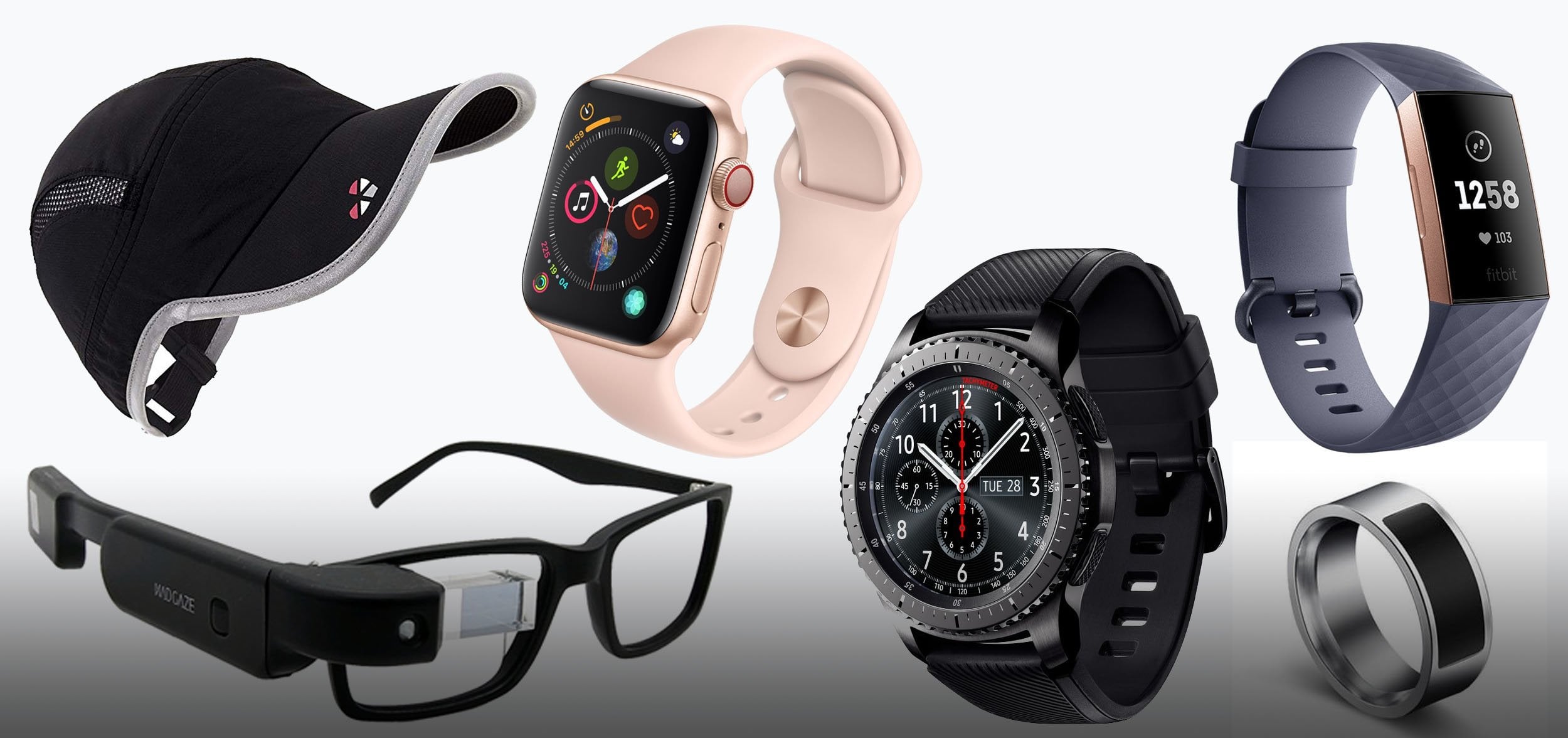
The visual and physical design of wearables plays a decisive role in their acceptance. Devices must feel comfortable during sleep and exercise while still looking appropriate in professional or social settings.
Manufacturers have responded with interchangeable bands, refined materials, and displays that balance readability with battery efficiency. When a gadget looks like an accessory rather than equipment, people are far more willing to wear it around the clock.
Data, Privacy, and Ongoing Questions
The constant collection of personal information raises legitimate concerns. Heart data, location history, and daily habits form a detailed portrait of an individual, and questions about who accesses that information remain unresolved for many users.
Some of the key considerations that shape trust in wearable technology include the following points worth keeping in mind:
- Transparency about what sensors record and how often they do so.
- Clear controls that let people limit or delete stored information.
- Strong protection against unauthorized access to sensitive health readings.
- Honest communication when data is shared with third parties.
These issues will influence the next stage of development as much as any hardware breakthrough. Companies that address privacy openly tend to earn deeper loyalty, while those that treat data casually risk losing the confidence that makes continuous wear acceptable.
Where the Wrist Goes Next?
The story of wearables is one of steady integration into the fabric of daily existence. They shifted personal technology from something used in bursts to something present at all times, quietly gathering context and offering assistance.
Health awareness deepened, small conveniences multiplied, and entertainment found new venues on the smallest of screens.
As sensors improve and privacy practices mature, these gadgets seem set to remain a defining feature of how individuals interact with the digital world around them.
