

A decade ago, an A-lister admitting to a raid schedule was a punchline. Today it is a publicist’s dream. Somewhere between the rise of streaming and the year the world stayed indoors, gaming stopped being a confession and became a credential.
The result is a crowded field in which sincere hobbyists, savvy investors, and stars reading from a sponsorship script all look roughly the same on camera.
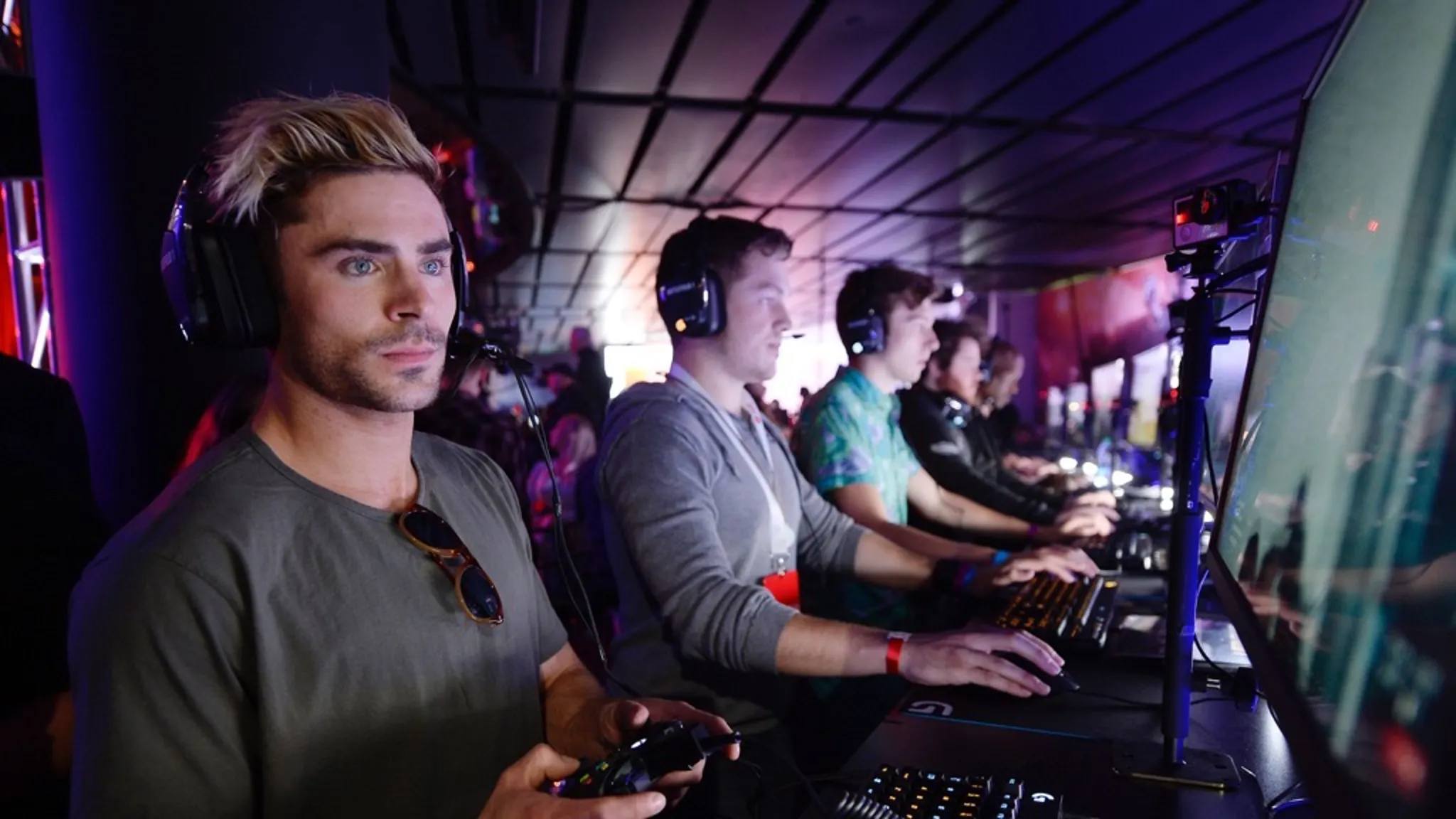
How Play Became a Publicity Asset?
The turning point can be dated with unusual precision. In March 2018, Drake joined streamer Tyler “Ninja” Blevins for a session of Fortnite that peaked at 628,000 concurrent viewers, shattering the previous individual-channel record of 388,000. A rapper and a streamer had just outdrawn most cable programming on a weeknight.
The industry noticed immediately. Marshmello performed inside the same game in February 2019 for 10.7 million concurrent players, and Travis Scott’s Astronomical series in April 2020 pulled 12.3 million at its peak, with 27.7 million unique players across five showings.
Once those numbers circulated, a games appearance was no longer a quirky detour for a musician. It was distribution.
The Ones With Receipts
Publicity stunts leave a thin paper trail. Genuine enthusiasm leaves years of it, usually in the form of interviews given long before there was anything to promote. The table below collects claims that predate the current wave, or that go well past a single photo op.
| Name | Best known for | Documented gaming credential |
| Henry Cavill | Acting | Missed a call offering him the Man of Steel role because he was mid-dungeon in World of Warcraft; paints Warhammer 40,000 miniatures and built his own PC |
| Vin Diesel | Acting | Wrote the foreword to a 2004 Dungeons & Dragons retrospective; The Last Witch Hunter grew out of a character from his own campaigns |
| Joe Manganiello | Acting | Runs a long-standing home campaign; his character Arkhan the Cruel was written into an official D&D sourcebook |
| Drake | Music | Set the 2018 individual-channel viewership record on Twitch and has spoken about playing between studio sessions |
| Travis Scott | Music | Built an original in-game concert format that still holds the record for concurrent attendance |
The pattern is worth noting: the most convincing cases involve specificity. A named dungeon, a painted squad, a character sheet that survived twenty years of campaigns.
Where the Skepticism Comes From?
Audiences have gotten good at reading the seams. Gaming appearances are routinely booked by agencies, timed to release calendars, and shot with the same production values as any other campaign.
A highlight clip cannot distinguish between someone who has played for fifteen years and someone briefed that morning.
The suspicion is reasonable, but it gets applied unevenly. Nobody demands proof when a performer mentions cooking or cycling.
Games draw the extra scrutiny because the audience spent decades being told the hobby was something to outgrow, and it has not entirely stopped bracing for the joke.
The Money Behind the Hobby
Enthusiasm alone would not explain the scale of the shift. What changed the incentives was the discovery that gaming audiences convert, and that they hold attention for stretches traditional media gave up on years ago. A three-hour stream is a three-hour advertisement, watched voluntarily.
That has pulled capital in from every direction. Athletes and musicians have taken stakes in esports organizations, publishers have paid for exclusive appearances, and the entertainment sector at large has repositioned around interactive formats.
A single evening might now run from a battle royale lobby to a tournament broadcast to an online session at Yep Casino, with slots, live dealer tables, and esports streams all competing for the same block of leisure time. Whoever can hold that block commands a price.
How to Spot a Genuine Player?
For anyone curious whether a favorite performer actually plays, the tells are fairly reliable. None of them requires insider access, and most surface in old interviews rather than new campaigns.
- Check the timeline. Enthusiasm documented before a product launch usually survives scrutiny; enthusiasm that appears alongside one rarely does.
- Listen for specifics. Real players name classes, builds, patches, and defeats, not just titles.
- Watch the hands. Menu navigation, camera control, and inventory habits are difficult to fake in real time.
- Look for the unglamorous evidence. Painted miniatures, homemade PCs, and decades-old character sheets serve no promotional purpose.
- Note who they play with. Long-running groups of friends suggest a hobby; a single session with a top streamer suggests a booking.
None of this makes sponsored appearances dishonest. It simply separates the people who would still be playing without a camera present from those who would not.
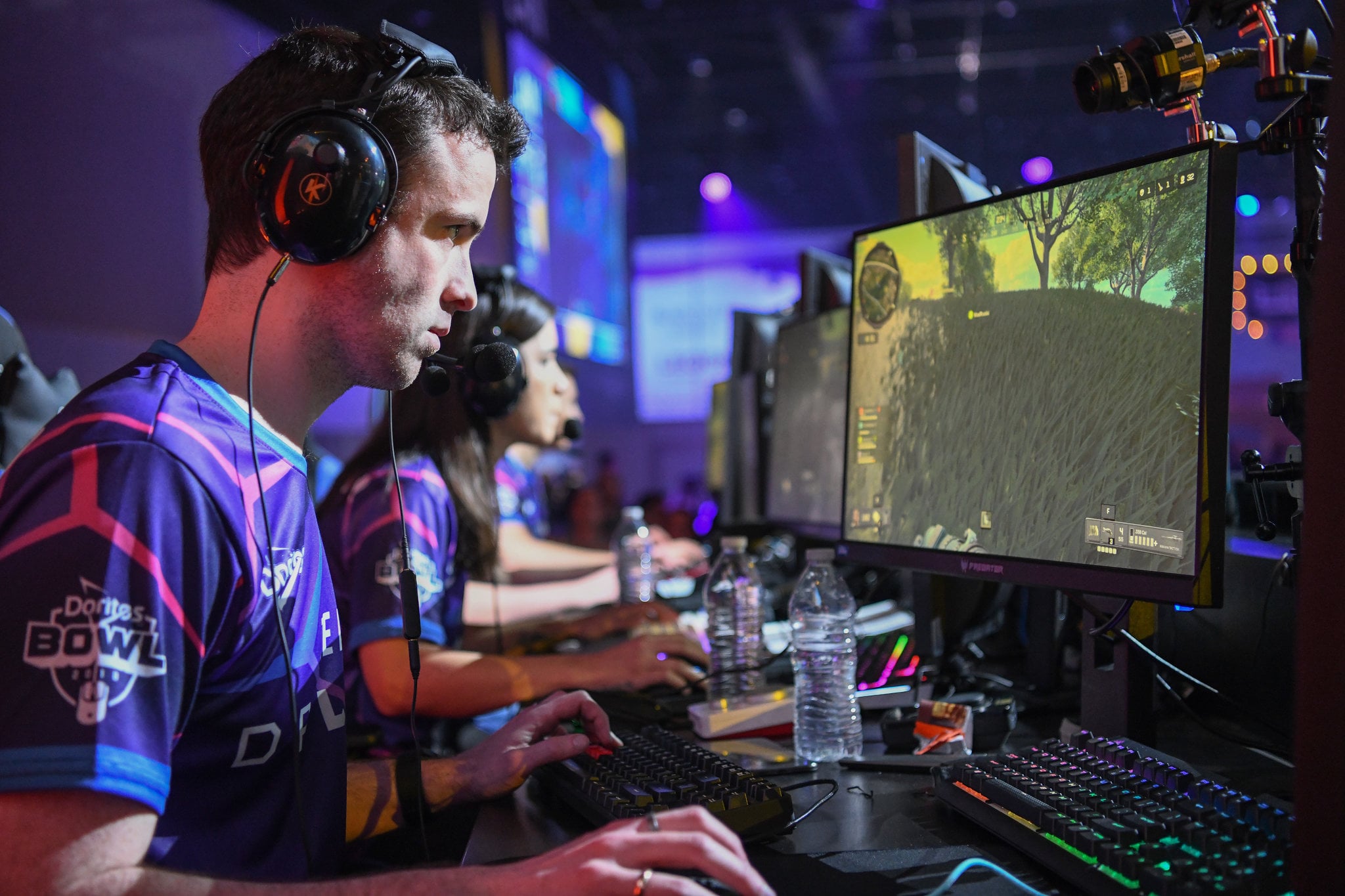
A Hobby That Stopped Needing a Defense
The celebrity gaming boom is best read as a lagging indicator rather than a trend. Play has been a mainstream adult pastime for years; what changed is that admitting to it now carries no cost and often carries a benefit.
Stars did not suddenly discover games. The rest of the culture simply stopped treating the hobby as something to grow out of.
That shift is worth keeping in mind the next time a familiar face turns up on a stream. Consider whether the enthusiasm predates the announcement, and compare the answer with the way you would judge any other interest that arrives with a release date attached.
