

Over the past 10 years, cryptocurrency exchanges have moved from niche platforms used by early adopters to structured ecosystems supporting millions of participants worldwide.
What began as a simple way to trade Bitcoin has developed into a multi-layered financial environment that includes fiat gateways, advanced trading tools, and integrated services.
Today, users who want to buy bitcoin with PayPal instantly or access other digital assets often expect a seamless experience that mirrors traditional financial platforms, which reflects how far the sector has progressed.
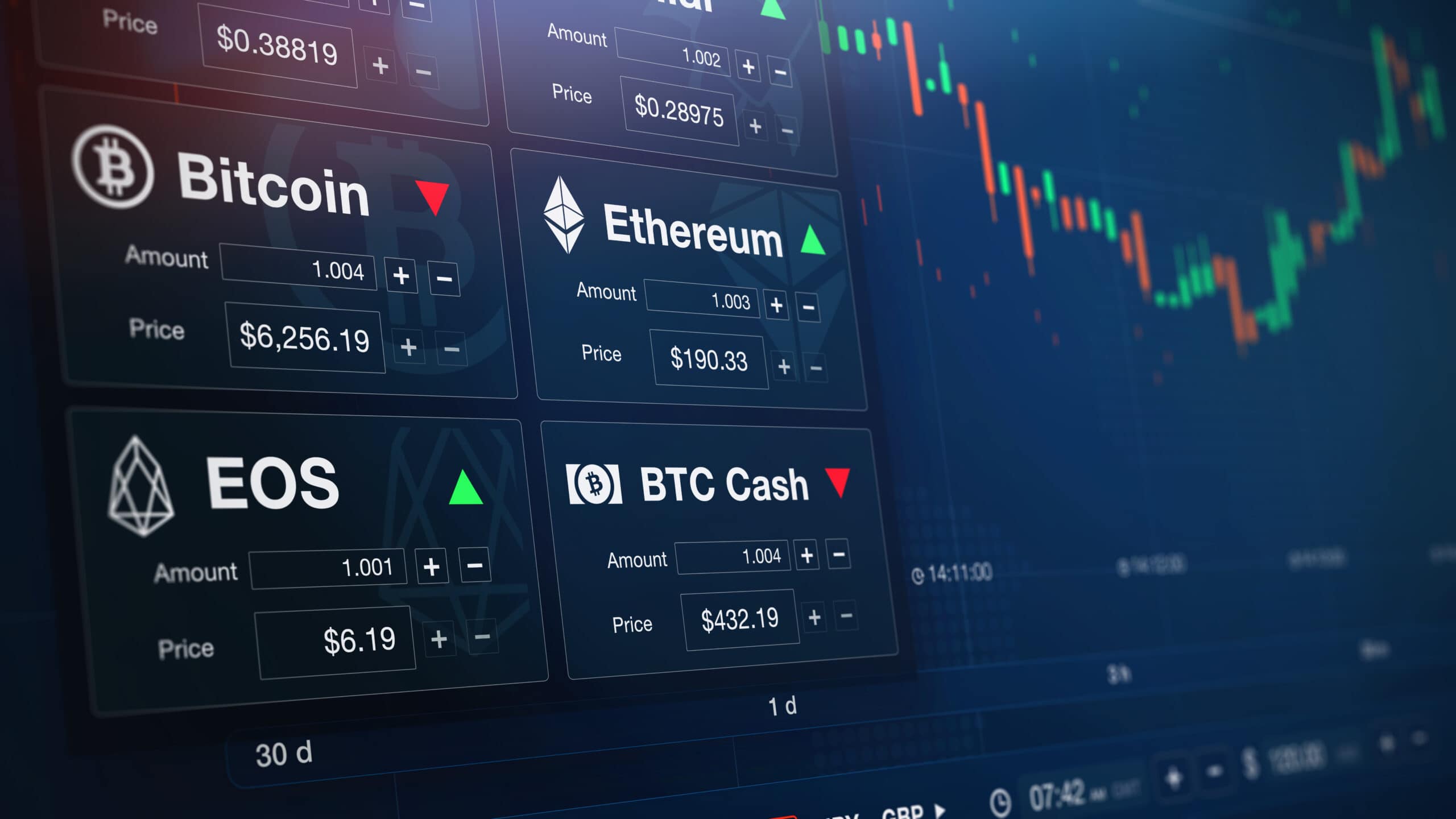
Early Days, Limited Access, and High Friction
In the early 2010s, cryptocurrency exchanges operated in a largely experimental space. Platforms offered basic functionality, often limited to trading Bitcoin against a small number of assets. User interfaces lacked refinement, liquidity remained low, and security practices varied widely.
At that stage, exchanges primarily served technically inclined users who understood wallet management, private keys, and the risks tied to emerging technologies.
There was little standardization. Users often relied on forums or community guidance to navigate platforms.
Account setup could involve manual steps, and delays were common. The absence of regulatory clarity added another layer of uncertainty, since users had limited protection if something went wrong.
This phase shaped the foundation of the industry. It highlighted both the potential of digital asset trading and the gaps that needed to be addressed before broader adoption could take place.
Expansion Phase, More Assets and Better Accessibility
As interest in digital assets grew, exchanges began to evolve. One of the first major shifts focused on accessibility.
Platforms introduced simpler onboarding processes, clearer interfaces, and more intuitive navigation. This change lowered the barrier to entry for new users who had no prior exposure to cryptocurrency.
At the same time, exchanges expanded beyond Bitcoin. Ethereum and other early altcoins entered the market, introducing new trading pairs and diversifying market activity. This expansion encouraged users to explore different assets and strategies, increasing overall engagement.
Liquidity improved as more participants joined. Higher trading volumes helped reduce price gaps and contributed to more efficient transactions. Exchanges started to resemble structured marketplaces, moving away from their early experimental nature.
Security Becomes a Core Priority
As exchanges grew, so did the attention from malicious actors. Early security incidents exposed vulnerabilities and forced platforms to rethink their approach.
Over time, exchanges implemented stronger safeguards, including cold storage for funds, multi-factor authentication, and continuous system monitoring.
These changes marked a shift in responsibility. Instead of relying solely on user awareness, platforms began to take a more active role in protecting assets.
While risks still exist, the introduction of layered security measures has improved confidence across the ecosystem.
Security also became part of how exchanges differentiate themselves. Users increasingly evaluate platforms based on how they protect funds and manage operational risks.
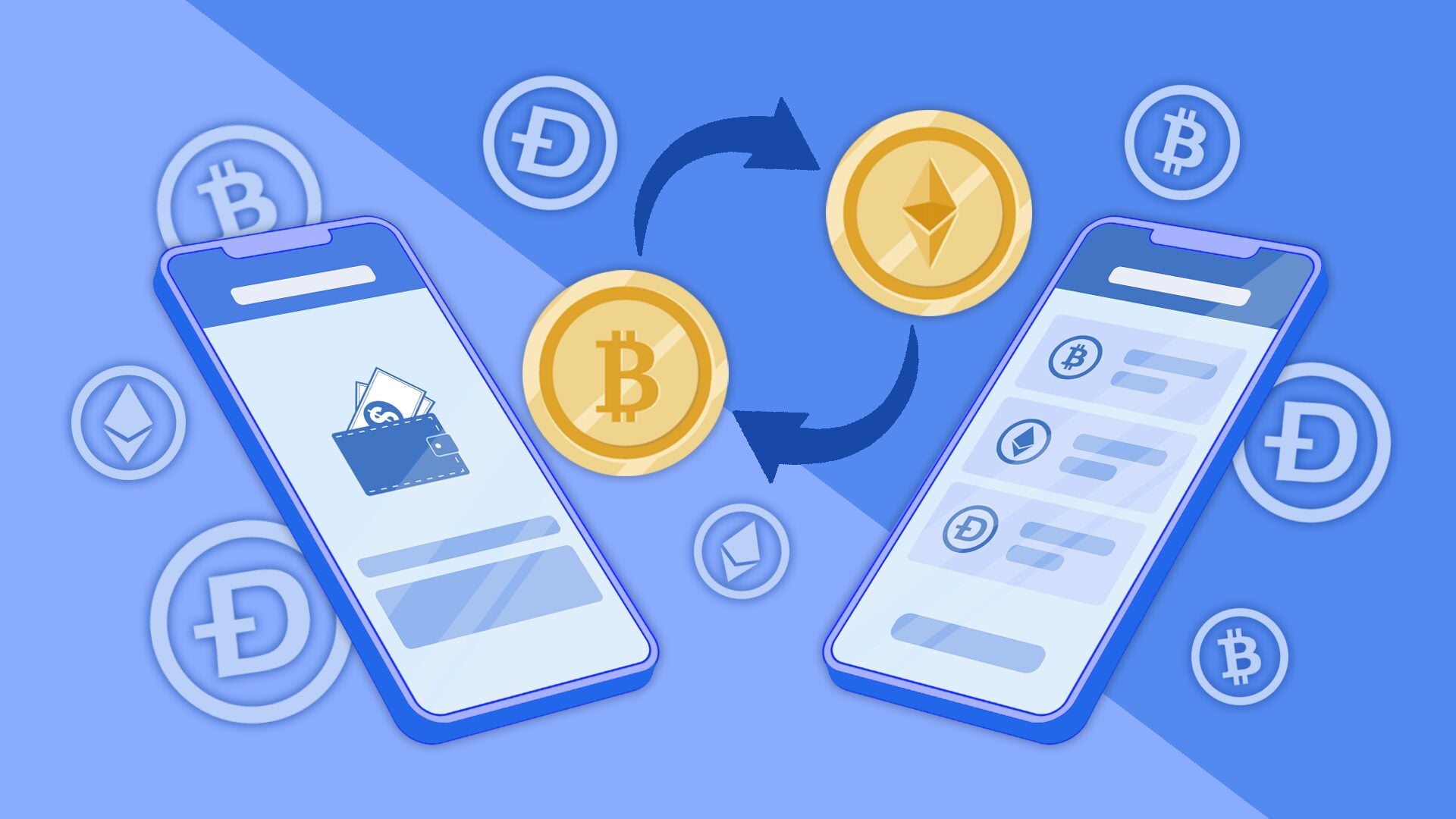
Fiat Integration and the Bridge to Traditional Finance
Another major step in the evolution of exchanges involved integrating fiat payment methods. In the early years, acquiring cryptocurrency often required indirect routes. Users might complete several transactions before accessing digital assets.
Modern exchanges simplified this process. They introduced direct fiat on-ramps, allowing users to purchase cryptocurrency using bank cards, transfers, and digital wallets. This connection between traditional finance and digital assets played a critical role in adoption.
The ability to move between fiat and crypto within a single platform changed user expectations. It reduced complexity and made digital assets more accessible to a broader audience. This integration also encouraged exchanges to better align with financial regulations.
Advanced Trading Tools and Professionalization
As the market matured, exchanges introduced more advanced trading features. Basic buy-and-sell functions expanded into a broader set of tools, including different order types, margin trading, and derivatives.
This shift reflected the growing diversity of users. Some participants sought simple transactions, while others required more sophisticated tools.
Exchanges responded by offering tiered experiences, where users could choose between simplified interfaces and advanced trading environments.
Professionalization also brought increased competition. Platforms worked to improve execution speed, liquidity, and overall performance. These improvements contributed to a more stable and efficient market structure.
Beyond Trading, The Rise of Crypto Ecosystems
Over time, exchanges expanded their role beyond trading. Many platforms introduced additional services designed to support a wider range of user needs. These include staking, savings features, and integrated wallets.
This development reflects a broader trend. Users no longer view exchanges as single-purpose platforms. They expect a unified environment where they can manage different aspects of their digital assets.
Exchanges responded by building ecosystems. These environments bring together multiple services within a single interface, reducing the need to move between platforms. This approach increases convenience and encourages longer user engagement.
Regulation and the Push Toward Structure
Regulation has played a significant role in shaping how exchanges operate. In the early stages, the lack of clear rules created uncertainty.
Over time, authorities introduced frameworks focused on identity verification, anti-money laundering measures, and consumer protection.
Exchanges adapted by implementing compliance procedures, including Know Your Customer checks. These changes align digital asset platforms more closely with traditional financial institutions.
Regulation continues to evolve. Different regions apply different standards, which influence how exchanges expand and operate globally. Clearer frameworks can support adoption, while ongoing changes require platforms to remain adaptable.
Mobile Access and Changing User Behavior
The rise of mobile technology has reshaped how users interact with financial services, and cryptocurrency exchanges follow the same pattern. Mobile apps allow users to manage accounts, monitor markets, and execute transactions from anywhere.
This shift increases accessibility and engagement. Users no longer depend on desktop platforms. They can respond to market movements in real time, which changes how trading behavior develops.
Mobile-first design also influences how exchanges structure their interfaces. Simplicity, speed, and clarity become essential, especially for users who access platforms on smaller screens.
Decentralized Exchanges and Alternative Models
The emergence of decentralized exchanges introduces a different approach to trading. These platforms operate without a central authority. Instead, they rely on smart contracts to facilitate transactions directly between participants.
This model gives users greater control over their assets. They retain custody of their funds and interact with the network through their own wallets.
However, decentralized exchanges also present challenges, including varying liquidity levels and more complex user interfaces.
Their growth reflects ongoing experimentation within the sector. They do not replace traditional exchanges but add another layer to the ecosystem, offering different trade-offs between control, usability, and accessibility.
The Road Ahead for Cryptocurrency Exchanges
Cryptocurrency exchanges have undergone significant changes over the last decade. They evolved from basic trading platforms into structured environments that integrate multiple financial functions.
This progression reflects broader changes in technology, user expectations, and regulatory frameworks.
Looking ahead, further development will likely focus on efficiency, accessibility, and integration. Exchanges may continue to refine user experience, expand service offerings, and strengthen connections with traditional financial systems.
The trajectory suggests ongoing adaptation. As blockchain technology develops and global financial systems adjust, exchanges will remain central to how users access and interact with digital assets.
